


Background and Root Causes
The core issue stems from the previous system under which independent (Category A, B, and C) plumbers contracted directly with eThekwini Municipality’s Water and Sanitation unit. The Auditor-General found this arrangement irregular and non-compliant with the Municipal Finance Management Act and supply-chain rules (the contracts predated current legislation).
The municipality responded by moving to a Contractor Infrastructure Panel (CIP) model: five main/managing contractors were appointed (or interim arrangements put in place after an open tender failed to produce awards). These main contractors were meant to coordinate work and subcontract the existing plumbers. Managing contractors received a 15% management fee.
Plumbers objected strongly for several reasons:
- They would shift from independent business owners to subcontractors/employees.
- Early versions of the model involved deducting the 15% fee (or additional fees of up to ~R20,000 per month in some accounts) from their rates, while they still supplied their own vehicles, tools, materials, and staff.
- Concerns that main contractors would favour their own people or “cronies” rather than the existing pool of experienced plumbers (reported as around 1,886 in the database).
- Long-standing payment delays (invoices unpaid for months, sometimes dating back to late 2025).
Payment problems predated the full model change. Protests over unpaid invoices occurred as early as January 2026 (outside the Florence Mkhize building in the Durban CBD), with threats to shut valves. The municipality often claimed 98% of creditors were paid within 30 days and blamed incomplete documentation or a new online invoicing system; plumbers disputed this and said backlogs remained large. Temporary resolutions (e.g., March 2026) proved short-lived.
Key Protest Actions and Escalation (2026)
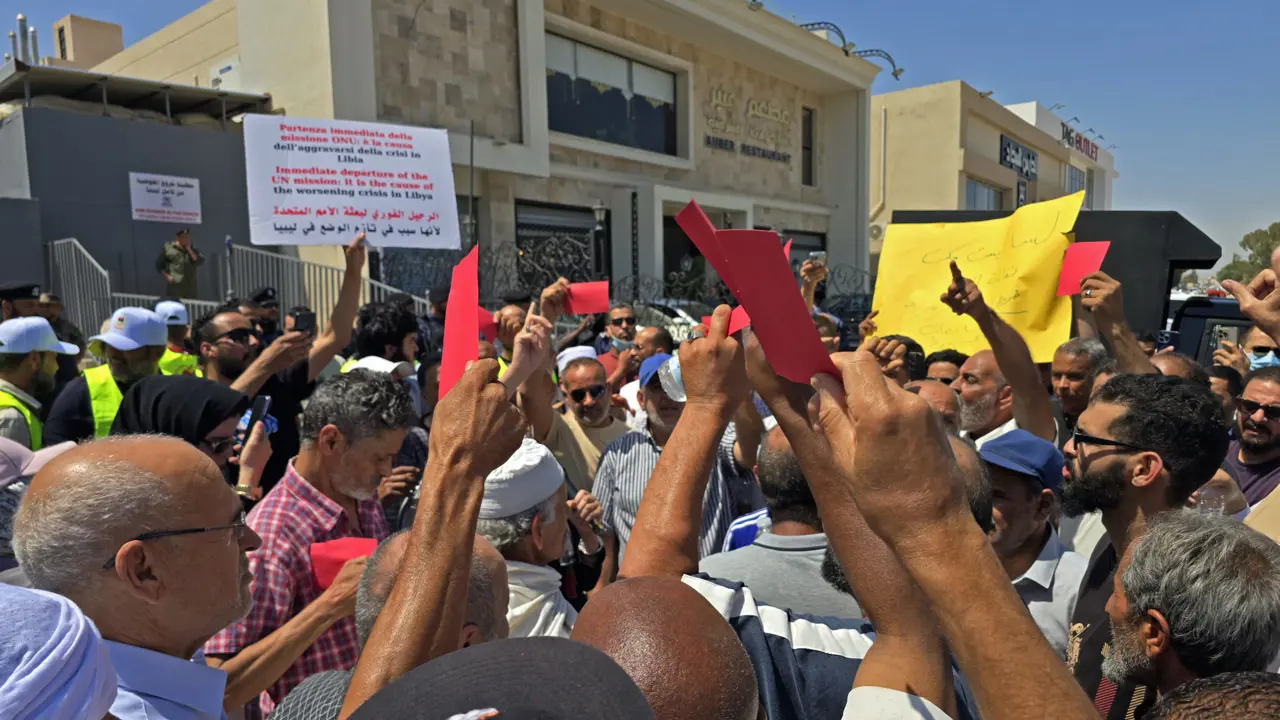
- January–April: Protests over non-payment; some downing of tools. Threats of escalating action including turning off water valves.
- June–July: Intensified action. Picketing in the Durban CBD. Blocking of municipal water depots (notably Pinetown) by dozens of contractors, preventing access and disrupting operations.
- Mid-July: Widespread reports of water infrastructure sabotage (valves deliberately closed across ~30 streets/areas), leaving thousands of residents without water. Plumbers denied involvement and rejected sabotage claims; the municipality and some officials linked the incidents to the contracting dispute. Non-revenue water losses were reported at around 65% in periods, with thousands (estimates of 12,000–13,000+) of leaks outstanding.
- Ongoing political criticism from opposition councillors (especially DA) accusing the municipality of self-inflicted crisis, favouritism, and poor leadership. Ratepayer groups also raised concerns.
The municipality defended the changes as necessary for compliance and continuity of service. It noted interim CIP measures, recruitment of internal plumbers (targeting 121 additional, with partial progress), and that rates themselves were not being cut under the official model. It condemned depot blockades as unlawful.
Resolution (August 2026)
After months of deadlock and further protests, Mayor Cyril Xaba intervened. On 22 August 2026, a meeting involving the mayor, Trading Services Committee chair Cllr Mdu Nkosi, Water and Sanitation head Siyanda Mwelase, and plumber representatives produced an agreement:
- Hourly rates remain unchanged: Category A R592.51, Category B R353.01, Category C R238.60.
- The 15% management fee will no longer be deducted from plumbers’ hourly rates.
- The five main contractors must source plumbers from the existing accredited pool of ~1,886. No unaccredited plumbers may work on municipal infrastructure.
- Recruitment began for a first shift of 712 plumbers (337 already recruited at the time of reporting; 375 more needed). Further shifts planned.
- Plumbers committed to helping finalise name submissions.
The municipality and mayor framed this as clearing the way for faster service delivery and clearing the backlog. Official communications confirmed the deal shortly afterward.
Broader Context and Implications
eThekwini has faced chronic water challenges (high losses, leaks, sewer issues, infrastructure backlogs estimated in the billions of rands). The plumber dispute amplified these problems by reducing capacity for emergency repairs. Residents experienced prolonged outages; political and ratepayer pressure mounted. The shift to a more formalised main-contractor model reflects broader municipal efforts to regularise procurement after AG findings, but the transition was poorly managed from the plumbers’ perspective, creating hardship for small operators who had long provided services.
As of late August 2026 (just days before the current date of 26 August), the agreement is presented as ending the impasse, with plumbers set to return under the new structure. Implementation details (actual uptake of work, payment processing under the revised terms, and impact on the leak backlog) will determine whether service delivery improves sustainably. Ongoing water-loss figures and infrastructure needs remain significant challenges for the municipality independent of the labour dispute.