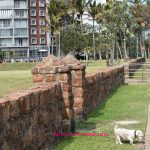




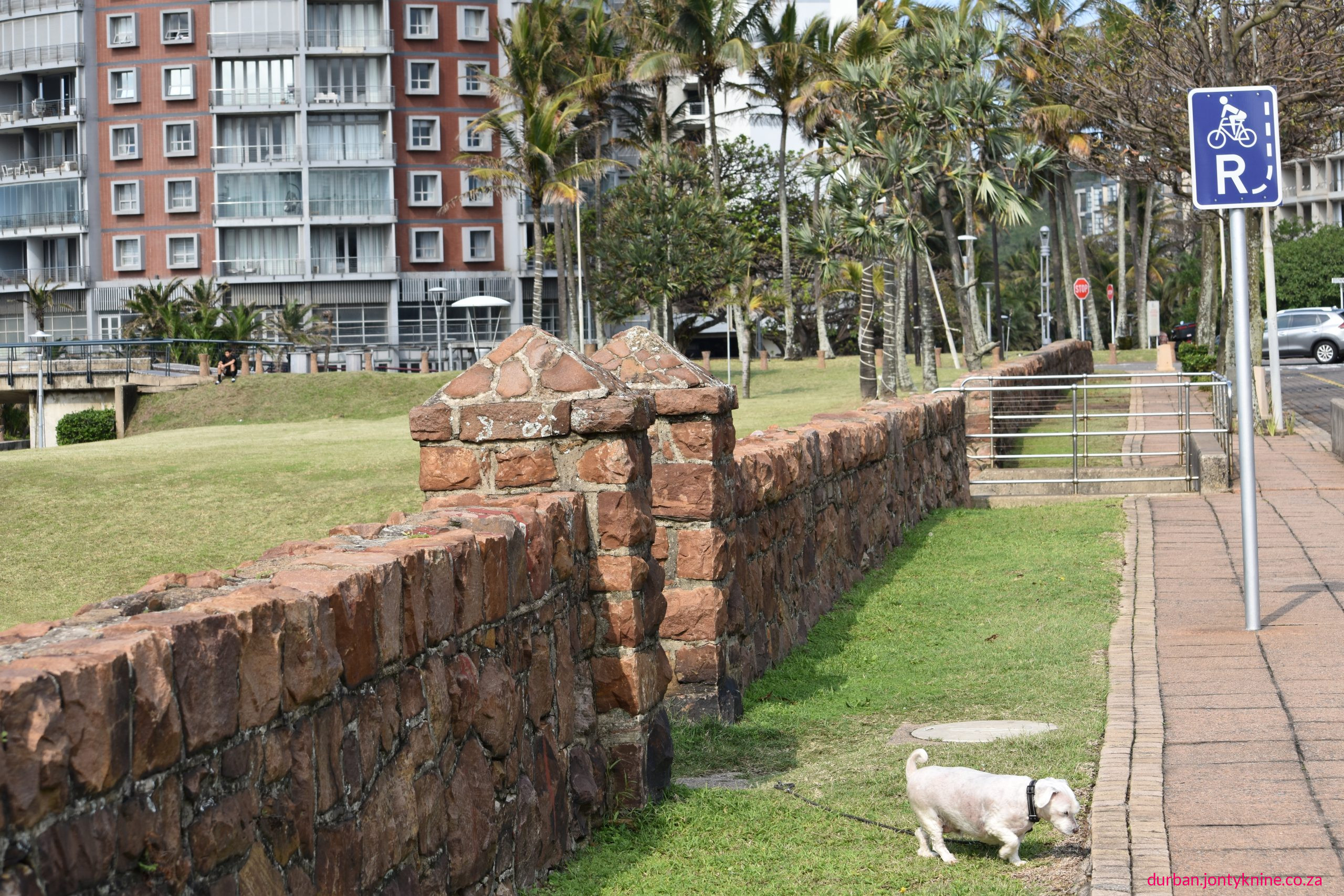
It was built by Zulu (and other African) political prisoners captured during the 1906 Bhambatha Rebellion (also known as the Bambatha or Zulu Rebellion) and is a provincial Category III Heritage Site. It is the main surviving physical remnant of their imprisonment and forced labour.
Historical Context: The 1906 Bhambatha Rebellion
Between February and July 1906, African communities in the British colonies of Natal and Zululand rose in armed resistance against colonial policies, including a hut tax introduced to force more men into the labour market (especially after labour shortages linked to the Anglo-Boer War and competition from the Witwatersrand gold mines). Key leaders included Chief Bhambatha (Bambatha) kaMancinza of the Zondi, Sigananda kaZokufa of the Shezi, Meseni kaMusi of the Qwabe, and Ndlovu kaTimuni of the Zulu.
The uprising was brutally suppressed, culminating in the battle at Mome Gorge near Nkandla, where Bhambatha was killed. Estimates indicate 3,000–4,000 Zulus killed and more than 7,000 imprisoned. Surviving leaders and fighters were captured, tried for treason, and many sentenced to hard labour.
Imprisonment and Forced Labour at the Point
Some rebel prisoners were held in a specially built jail (Point Convict Station / Point Prison) at the Point; the majority went to facilities at Jacobs (south of Durban, previously an Anglo-Boer War concentration camp site) or other locations. Temporary holding also occurred in municipal labourers’ barracks at Bell Street (declared a prison by proclamation).
By August 1906, hundreds of rebels worked alongside regular convicts and contract labourers at the Point and Bluff (hundreds of rebels among roughly 1,477 average workers at the Point that year). They were classed as political prisoners and received no wages. Their labour supported harbour development: removing sand hills, building roads, constructing embankments, and stone retaining walls. A permanent Point Prison complex (wood-and-iron blocks for up to ~1,500 prisoners, using recycled harbour materials) was built partly with rebel labour. Overcrowding, disease (including tuberculosis), and deaths occurred (165 deaths recorded among rebels held there in the relevant period).
The Wall Itself
Prisoners constructed the Escombe Sea Wall—a low stone structure designed to prevent sand from Addington Beach blowing into and silting the harbour mouth. This formed part of broader efforts to develop Durban Harbour into a major safe East African port (alongside dredging). The surviving wall is the primary tangible remnant of the prisoners’ forced labour and is listed as a provincial Category III Heritage Site. It runs along parts of the promenade area; some related fieldstone elements from the period were later reused in modern Point developments (e.g., Timeball Square ablutions).
Many Durban residents have sat on or walked past the wall without knowing its origins. It is also referenced in local heritage routes (e.g., Liberation Heritage Route materials) as a site linked to colonial resistance and the last major colonial-era conflict in the region.
Broader Significance and Related Sites
- Colonial penal ideology: The Point facility and rebel labour illustrate “racially differentiated punishment” in colonial Natal—emphasising hard labour for African prisoners, racial segregation in the prison system, and the use of convict labour for infrastructure (harbour works, roads). This built on earlier practices, including post-Anglo-Boer War treatment of African collaborators.
- Point Prison history: The crisis of housing large numbers of 1906 rebels was a key catalyst for formalising the Point Convict Station. It later became a major (and notorious) prison before the area’s redevelopment into the upmarket Point Waterfront.
- Related remnants: Other walls or features (e.g., elements of the old Durban Central Prison boundary wall near the ICC) have separate histories, sometimes involving human-rights murals, but the 1906 Point wall is distinctively tied to the rebellion prisoners.
- Heritage status: As a Category III provincial site, it holds local historical importance. It forms part of efforts to recognise overlooked aspects of KwaZulu-Natal’s colonial and resistance history.
The wall stands as a quiet but concrete marker of the rebellion’s aftermath—forced labour by political prisoners that helped shape Durban’s harbour infrastructure.