





The statement “world war 3 will be fought but a room full of kids on keyboard high on drugs”—captures a widely circulated cultural intuition about the character of future large-scale conflict. It reframes the classic image of industrial-era total war (mass armies, factories, trenches, atomic fire) into something far more diffuse, asymmetric, and mediated by screens.
Why this framing resonates
- Cyber and information domains as primary battlefields. Major powers already treat cyberspace as a theater of operations. State-linked actors, proxies, and independent operators conduct espionage, infrastructure disruption, influence campaigns, and financial sabotage through keyboards rather than conventional kinetic force. A “room full of kids” is a shorthand for the demographic reality of many high-skill cyber operators: young, technically fluent, often recruited or radicalized online, operating with low physical footprint and high deniability.
- The stimulant/drug stereotype. High-stakes coding, red-teaming, or prolonged online operations frequently involve caffeine, prescription stimulants, or stronger substances to sustain focus across long sessions. The “high on drugs” line exaggerates a real pattern of extreme work patterns in both legitimate security research and underground/ hacker scenes. It also evokes the chaotic, sleep-deprived aesthetic of certain gaming, trading, or activist online subcultures.
- Asymmetry and accessibility. Conventional military power still matters enormously, but the barrier to entry for meaningful disruption (ransomware, supply-chain attacks, deepfake propaganda, critical-infrastructure probing) is dramatically lower than fielding armored divisions. A small, skilled group with laptops can generate strategic effects that once required nation-state industrial capacity.
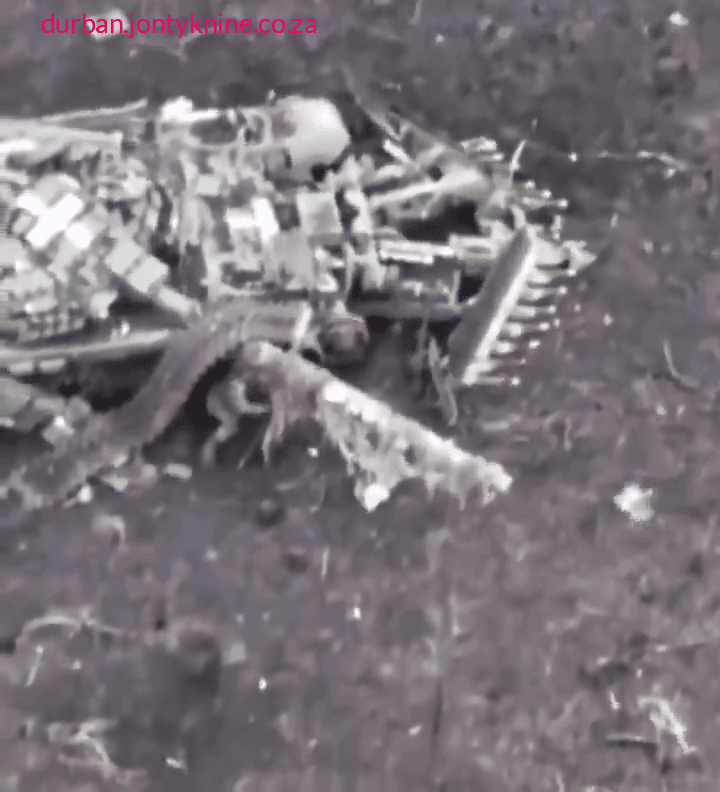
- Cultural imagery. Memes, films, and online discourse have long depicted the next major war as something that looks more like a LAN party or dark-web Discord server than a Normandy landing. The video of smashed electronics can be read as a visual metaphor for that shift: the physical hardware that underpins digital power can itself be reduced to scrap, yet the conflict continues in the network layer.
Important nuances and limits
This vision is incomplete. Kinetic war, logistics, energy, industrial production, and territorial control have not disappeared. Hybrid conflicts (Ukraine, various proxy theaters) show conventional forces, drones, artillery, and cyber operations running in parallel. A pure “keyboard war” scenario underestimates the enduring role of physical infrastructure, human intelligence, and the ability to impose costs through traditional means. Nation-states still invest heavily in both domains precisely because neither is sufficient alone.
The “kids on keyboards” image also flattens real diversity: professional military cyber units, intelligence agencies, private contractors, and criminal groups include experienced adults as well as younger talent. The drug-fueled archetype is more subcultural color than accurate organizational description for state actors.
Still, the core observation holds power as a cultural diagnosis. The tools, personnel, and tempos of high-end digital conflict often look less like parade-ground soldiers and more like the late-night, highly stimulated technical scenes the phrase evokes. The video’s wreckage of circuit boards can serve as a blunt illustration: the physical substrate of the digital world is fragile, and the people who can break or defend it may well be sitting in ordinary rooms, illuminated by screens, operating at the edge of human endurance.