

The M7 (also known as Edwin Swales Drive or Solomon Mahlangu Drive in sections) is a major arterial route in Durban, KwaZulu-Natal. It runs from the Bluff area, connects with the N2 freeway, passes through areas like Malvern, Queensburgh, and Pinetown, and is heavily used by commuters, trucks, and taxis.
Official Statistics
Specific, detailed public statistics for crashes and fatalities exclusively on the M7 are not broken out in the main RTMC (Road Traffic Management Corporation) quarterly or annual reports. Those reports usually aggregate data at provincial level (KwaZulu-Natal) or by major national routes (N1, N2, N3, etc.).
- KZN as a province consistently ranks among the top 2–3 in South Africa for fatal crashes and fatalities (often second to Gauteng). In recent RTMC data (e.g., Q4 comparisons), KZN has seen hundreds of fatal crashes per quarter.
- No recent RTMC report singles out the M7 as one of the absolute deadliest single roads in the country (unlike R573 Moloto or certain N2 sections), but it features frequently in local incident reports.
What the Incident Reports Show
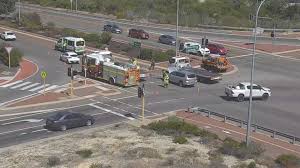
The M7 has a reputation for being high-risk, especially in certain sections. Recent news and emergency services reports (2025–early 2026) highlight repeated serious and fatal crashes, often involving:
- Truck vs car/light vehicle collisions — common due to heavy freight traffic mixing with commuter vehicles.
- Head-on or side-impact crashes.
- Vehicles leaving the roadway and going down embankments.
Notable recent examples:
- January 2026: Truck and car collision on the Pinetown-bound carriageway near the Bluff/N2 area → 2 people killed, 2 injured. Vehicles left the road down an embankment. This incident prompted local calls for urgent safety improvements on the M7 Solomon Mahlangu Drive.
- March 2026: Multiple truck collision on M7 Durban-bound before Bellville off-ramp → 1 person killed, others injured.
- Multiple other incidents involving entrapments, fuel tanker spills, and multi-vehicle pile-ups in 2025–2026.
Road users and media have raised concerns for years about the stretch between Pinetown and the N2, describing it as having daily collision risks. Factors mentioned include heavy traffic volumes, mixing of vehicle types, and driver behaviour.
Common Contributing Factors on the M7
- Potholes and road surface issues — frequent complaints, especially near off-ramps (e.g., Main Road, R102 Umbilo, Bellville areas). Poor repairs and recurring damage from heavy trucks.
- Heavy truck traffic combined with cars and minibus taxis.
- High speeds and reckless overtaking.
- Interchanges with the N2 — complex merges and weaving.
- General KZN issues: speeding, fatigue, and enforcement challenges.
Older studies (e.g., Durban municipality data from over a decade ago) showed high crash concentrations in central Durban areas, with pedestrians often the most vulnerable, but this isn’t M7-specific.
Bottom Line
The M7 is not typically listed as South Africa’s single “most dangerous” road in national stats, but it is a notoriously risky route in Durban with a pattern of serious truck-related crashes and fatalities in recent years. The Bluff-to-Pinetown sections (especially around N2 interchanges) seem to attract the most attention from paramedics and locals.
If you’re driving it regularly:
- Watch for trucks, sudden stops, and potholes.
- Avoid peak hours if possible.
- Keep extra following distance.
For the absolute latest or more precise numbers, the best sources are:

- RTMC quarterly State of Road Safety reports (provincial level only).
- Local traffic apps or eThekwini traffic updates.
- Arrive Alive or ALS/Rescue Care paramedic reports.