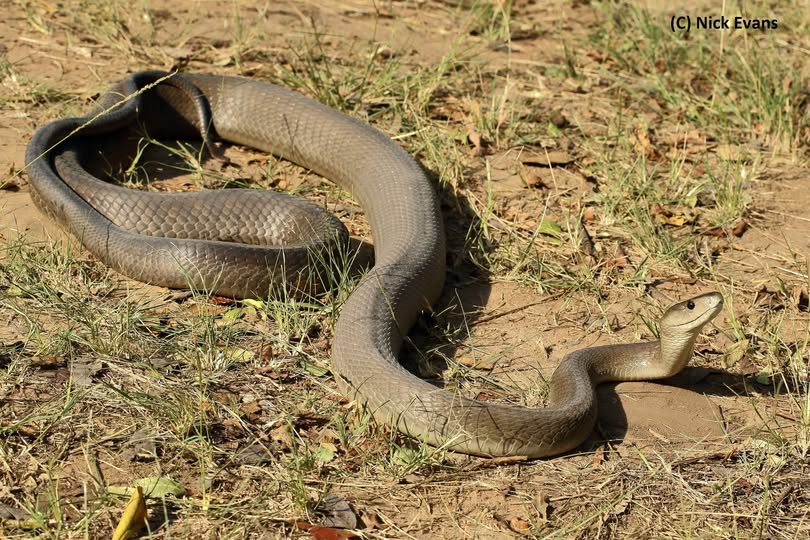






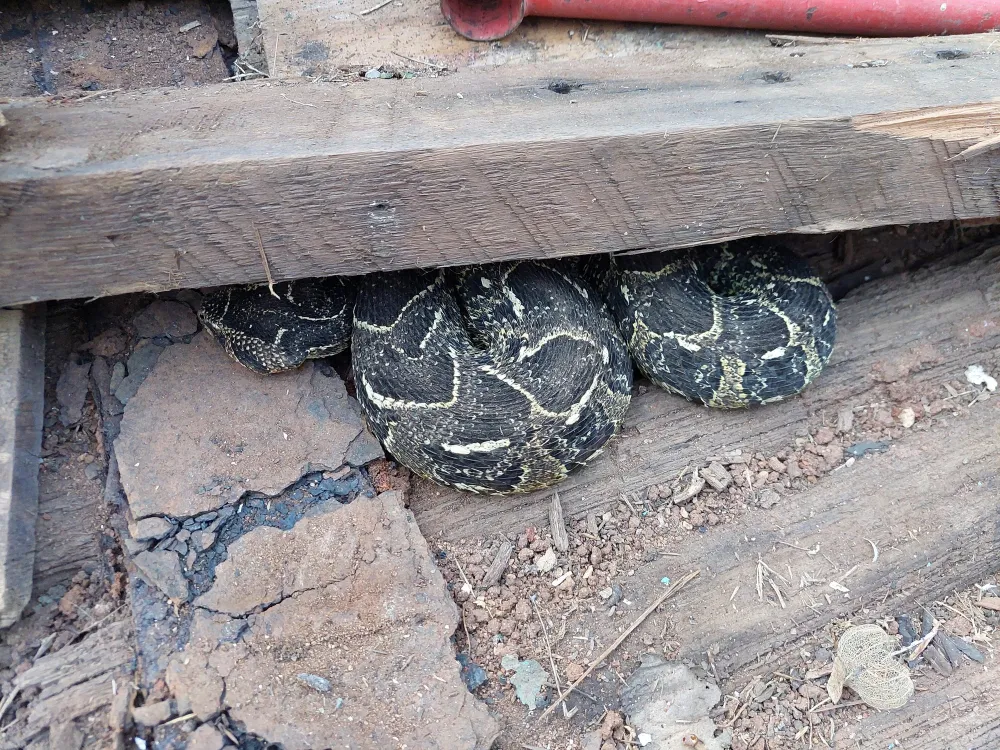
Durban-based snake rescuer Nick Evans and Dr. Carla Goede (a veterinarian with expertise in reptile conservation and snakebite management) responded to the call. The cabin occupant, Rob Mann, was not personally concerned about the snakes’ presence, but the decision to relocate them stemmed from regular dog visits to the property, creating a high risk of potentially fatal encounters.
- A video shared over the weekend showed the pair moving under the cabin.
- The rescuers arrived the next morning in cold conditions (around 4°C), which made the snakes sluggish and easier to handle safely.
- They searched by lifting metal sheets and sorting stored items.
- The female was spotted first, curled up on stored items, and safely lifted with a snake hook into a bucket.
- The male was found under a cardboard picture holder; he was particularly cold (“like an ice block”) and minimally active, facilitating an easy capture.
The rescuers photographed the attractive pair (noting the male’s more colorful patterning) before relocating them to nearby suitable natural fynbos or wild habitat.
This event highlights proactive human-snake conflict management in rural and semi-rural South African settings.
About Puff Adders
Puff adders are one of Africa’s most widespread and medically significant venomous snakes. They are ambush predators with excellent camouflage, often remaining motionless for long periods. Key traits include:
- Venom: Potently cytotoxic, causing severe pain, swelling, blistering, tissue damage (necrosis), and potentially life-threatening systemic effects if untreated. They deliver a relatively large venom yield compared to many other species.
- Behavior: They “puff” and hiss loudly when threatened and can strike quickly despite their stocky build. They are not aggressive by nature but defend themselves if stepped on or disturbed.
- Habitat and Range: Common in savanna, grassland, and varied terrains across much of sub-Saharan Africa, including South Africa. They thrive in areas with cover like rocks, logs, or human structures (as in this cabin case).
- Reproduction: They are viviparous (give live birth). Pairs may be encountered together during mating season, which aligns with warmer periods but can extend in milder climates.
In human-modified landscapes, they frequently seek shelter under buildings, in woodpiles, or debris, leading to such encounters.
Context of Snake Relocation in KZN
Nick Evans is a well-known figure in South African snake rescue and education, frequently sharing rescues via social media to promote coexistence and reduce fear. Collaborations with vets like Dr. Goede add medical and conservation expertise.
Relocations are preferred over killing snakes, as they maintain ecological balance (puff adders control rodent populations) while minimizing human risk. Best practices include:
- Moving snakes only a short distance to suitable habitat to avoid disrupting local populations or causing high mortality (translocated snakes sometimes struggle to establish or return).
- Timing: Cold weather aided this rescue by reducing snake mobility.
- Education: Many incidents stem from lack of awareness; Evans’ work emphasizes prevention through habitat modification and awareness.
Nuances and Edge Cases:
- Not all property owners opt for relocation; some choose tolerance if risks are low.
- Dogs (and livestock/pets) are highly vulnerable to puff adder bites due to curiosity and size.
- Climate and season influence snake activity: Cooler winters reduce encounters, while spring/summer increases them.
- In areas like Dargle (rural Midlands with mixed farmland, forests, and cabins), human expansion into snake habitats heightens conflicts.
Broader Implications
- Conservation and Biodiversity: Safe relocation supports snake populations amid habitat loss and persecution. Puff adders are not currently endangered but face pressure in developed areas.
- Public Health: South Africa sees significant snakebite incidents annually; education on avoidance (e.g., proper footwear, clearing debris, using lights at night) and rapid medical access (antivenom) is critical.
- Human-Wildlife Coexistence: Stories like this foster appreciation for snakes’ ecological roles and reduce “kill on sight” attitudes. They also demonstrate effective community-rescuer partnerships.
- Related Risks: Similar rescues occur regularly (e.g., puff adders in sheds, under houses, or even hitchhiking in vehicles). Black mambas and other species feature in Evans’ more dramatic calls.