




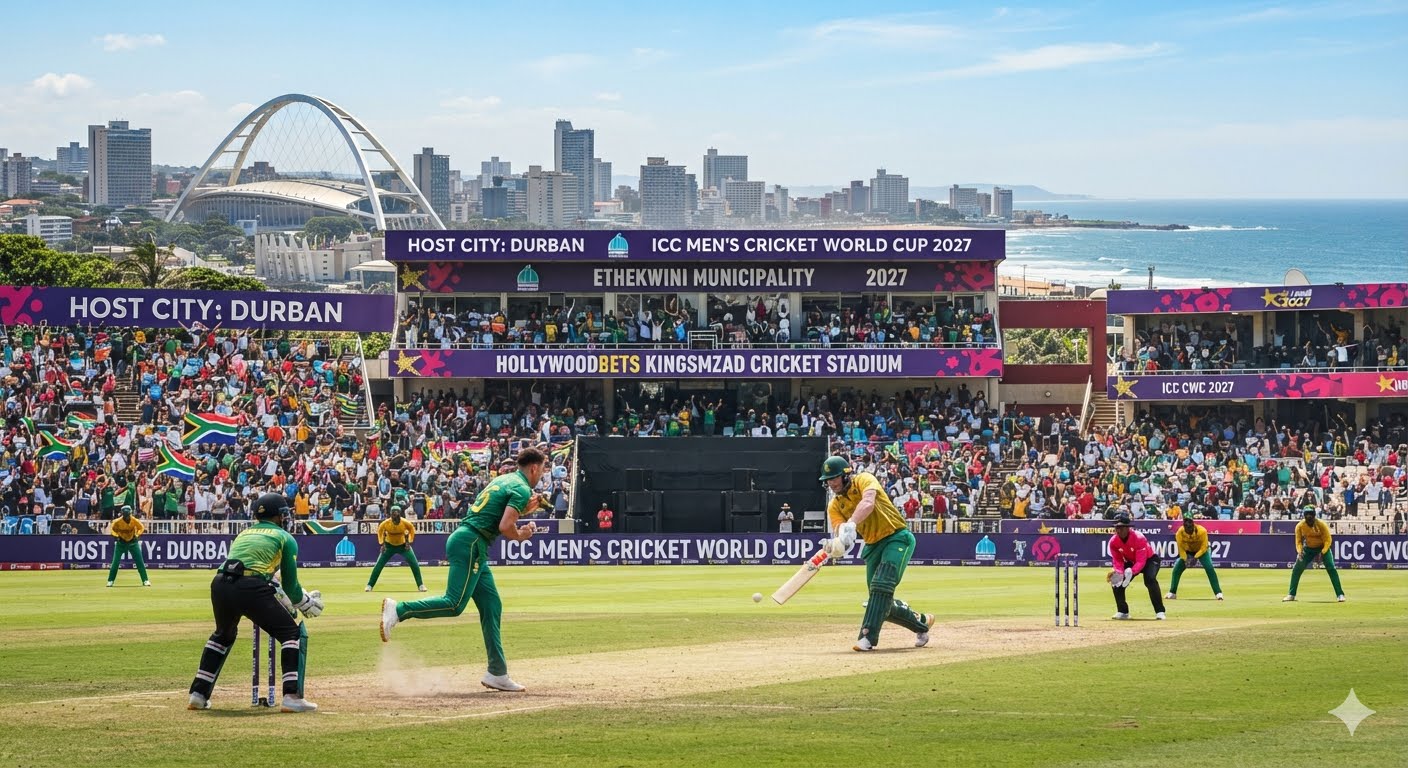
This development, announced in early July 2026, involves submitting a non-committal Memorandum of Understanding (MOU) to Cricket South Africa (CSA) as the first formal step toward negotiating a full host city agreement. Council approval has already been secured, signaling strong local governmental support.
Context of the 2027 ICC Men’s Cricket World Cup
The tournament is scheduled from 4 October to 21 November 2027 and will be co-hosted by South Africa, Zimbabwe, and Namibia. South Africa will host the majority of the 54 One Day International (ODI) matches — approximately 44 — across eight cities. This marks South Africa’s return to hosting a major ICC event after the 2007 T20 World Cup and the 2003 ODI World Cup.
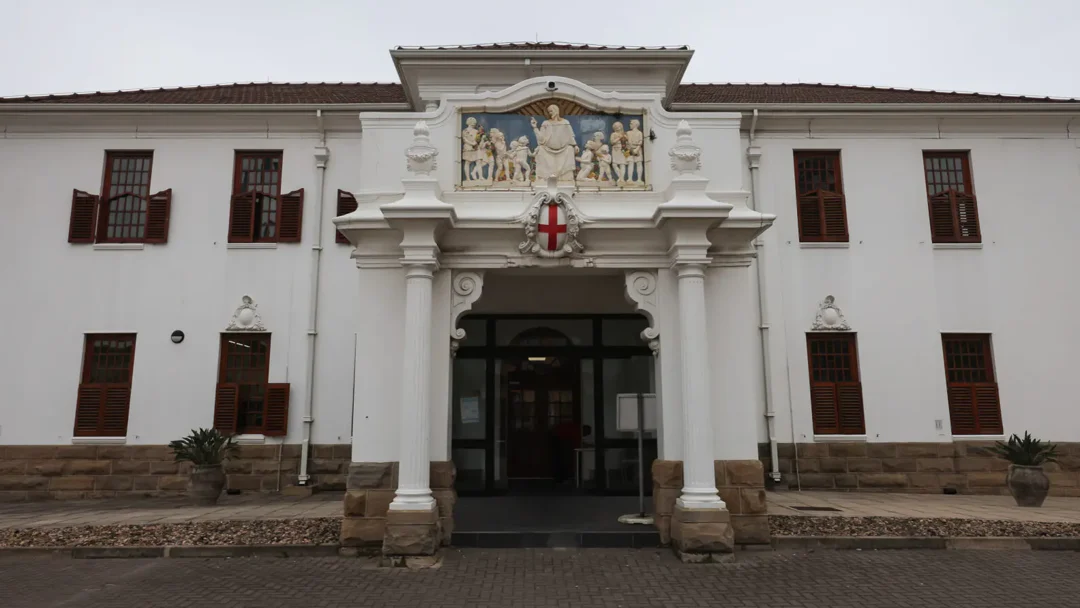
Likely South African host cities include Johannesburg, Pretoria, Cape Town, Durban, Gqeberha (Port Elizabeth), Bloemfontein, East London, and Paarl. Durban’s bid centers on Hollywoodbets Kingsmead Stadium, a historic venue with a strong track record for international cricket.
The MOU is explicitly non-binding at this stage, allowing eThekwini to explore commitments without immediate financial or legal obligations. It paves the way for detailed negotiations on infrastructure, security, logistics, and funding.
Potential Benefits for Durban and eThekwini
Hosting World Cup matches could deliver substantial economic and social upsides:
- Tourism and Economic Boost: Influx of international visitors, media, and teams could stimulate hotels, restaurants, transport, and local businesses. Past events have shown significant short-term GDP impacts in host cities.
- Infrastructure Upgrades: Opportunities to invest in stadium improvements, transport links, and urban amenities. The municipality has already budgeted R600,000 for the 2026/27 financial year to support the bid.
- Job Creation: Temporary and potentially longer-term employment in hospitality, security, event management, and related sectors.
- Global Exposure: Enhanced international profile for Durban, which could attract future investment and events.
- Community and Legacy Effects: Cricket development programs, youth engagement, and lasting sporting infrastructure.
South African metro mayors have expressed unified support for a collaborative approach to deliver a world-class event.
Challenges and Considerations
While promising, several nuances and potential hurdles exist:
- Infrastructure and Readiness: Kingsmead and surrounding facilities must meet ICC standards for pitches, seating, media, broadcasting, security, and accessibility. Upgrades could require significant investment amid eThekwini’s known budgetary and service delivery pressures.
- Financial Risks: Hosting involves costs for security, logistics, and operations. The non-committal MOU helps mitigate early risks, but full agreements will need careful cost-benefit analysis.
- Logistical and Operational Demands: Managing crowds, traffic, accommodation shortages, and potential disruptions in a major city. Coordination with national bodies, CSA, and ICC will be critical.
- Competition and Allocation: Other cities are also vying for high-profile matches (e.g., knockouts). Durban’s success depends on negotiations and demonstrated capability.
- Broader Municipal Context: eThekwini faces challenges like service delivery, infrastructure maintenance, and socio-economic issues. The event must be integrated without diverting resources from essential services.
- Regional Co-Hosting Dynamics: Matches in Zimbabwe and Namibia could influence scheduling, travel, and overall tournament logistics.
Broader Implications
This move aligns with South Africa’s strategy to leverage cricket for economic recovery and nation-branding. Successful hosting could strengthen CSA’s position and inspire future bids. For Durban, it represents an opportunity to showcase resilience and capability on the global stage, provided planning addresses both opportunities and risks effectively.