


The Little Top Pavilion
https://www.durban.jontyknine.co.za/category/durban-the-days-that-were/little-top
The days that were
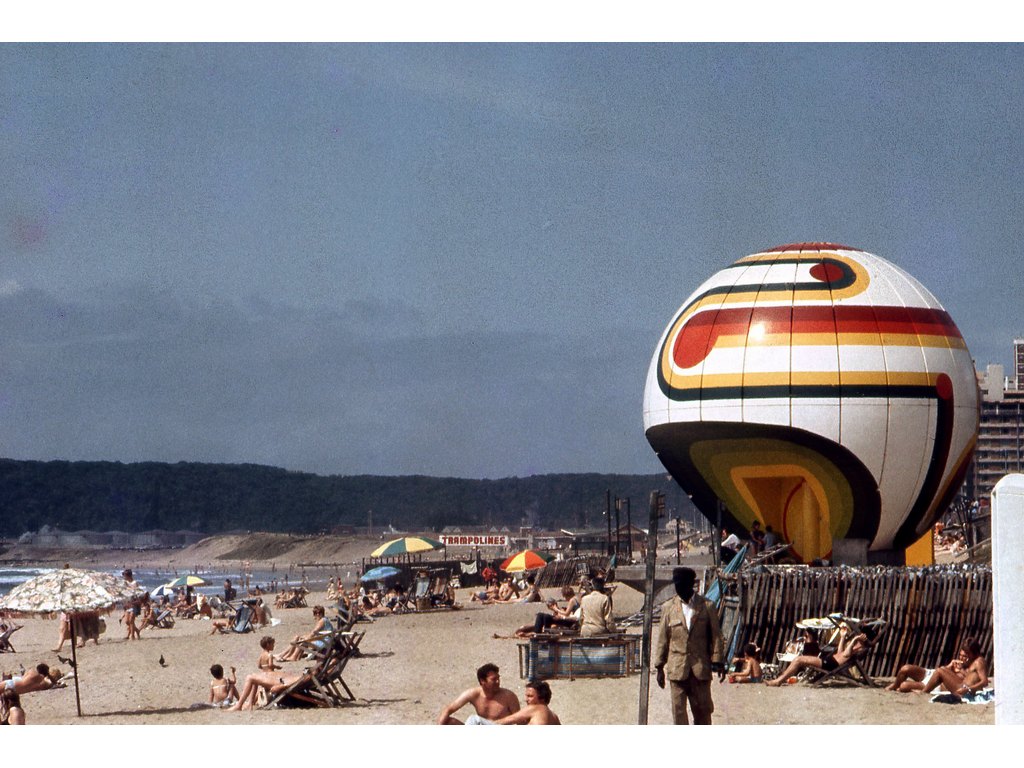
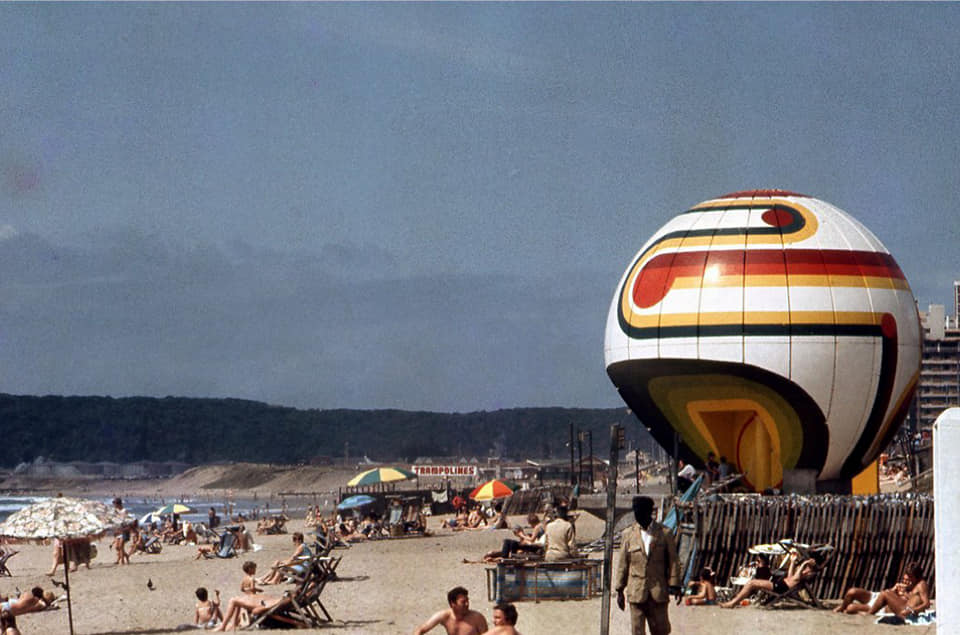
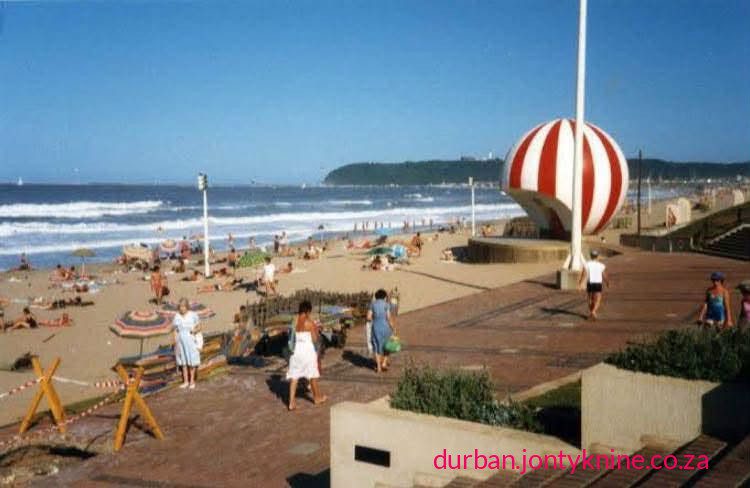
The Little Top was a popular, iconic open-air entertainment pavilion (mini-stage) on Durban’s South Beach, right next to the Mermaid Lido, that was especially active and fondly remembered in the 1960s–1980s as a family and children’s holiday hotspot.
It stood on the beach itself (with Addington Hospital visible in the background in old photos), roughly in the area associated with what later became part of the uShaka / South Beach zone. The name “Little Top” came from its resemblance to a small circus tent (“big top”).
It was demolished in 2006 during beachfront upgrades ahead of the 2010 FIFA World Cup, when it was deemed no longer necessary or appropriate.
It functioned as a free (or low-key) public mini-stage run in connection with the Durban Publicity Association. Entertainment focused on families and kids during the peak summer/Christmas holiday season, when South Beach was packed:
A regular, well-remembered figure was the English compere Cyril Sugden (often called “Uncle Cyril”), who wore a striped blazer and boater hat. He opened and closed performances with a cheerful song along the lines of “Come to Durban by the sea / and see how happy we can be…” and kept the atmosphere lively and family-friendly. Local musicians (including jazz saxophonist Basil Mataxis at times) provided accompaniment.
Nearby landmarks added to the atmosphere: the Mermaid Lido (with its Blue Grotto café downstairs, once a hangout for “ducktail” biker gangs), Scotty the beach photographer with his cut-out boards, candy-floss and beach-toy sellers, trampolines, and the general bustle of the Golden Mile in its heyday.
In the 1970s–80s the Little Top was pure holiday nostalgia for many Durbanites and up-country visitors — part of the classic South Beach experience of crowded golden sand, warm Indian Ocean, milkshakes, bioscopes, and simple free entertainment. It sat alongside other vanished icons of that era (Mermaid Lido, Nest and Cuban Hat roadhouses further along, etc.). Long-time residents still recall it affectionately as a childhood landmark where you watched talent shows, entered freckle-face or similar contests, or just sat eating ice cream.
Photos from the period (blue-and-white livery, orange phase, people posing in front of it) circulate on local history sites and in personal scrapbooks. Architect Hans Hallen confirmed the design details and name in correspondence years later; the structure is documented in architectural records as the “Little Top Beach Pavilion” (contemporary style, demolished 2006).
It was never a nightclub or major concert venue — it was daylight, family-oriented, seaside variety entertainment that captured the easy-going holiday spirit of Durban’s beachfront in those decades.