



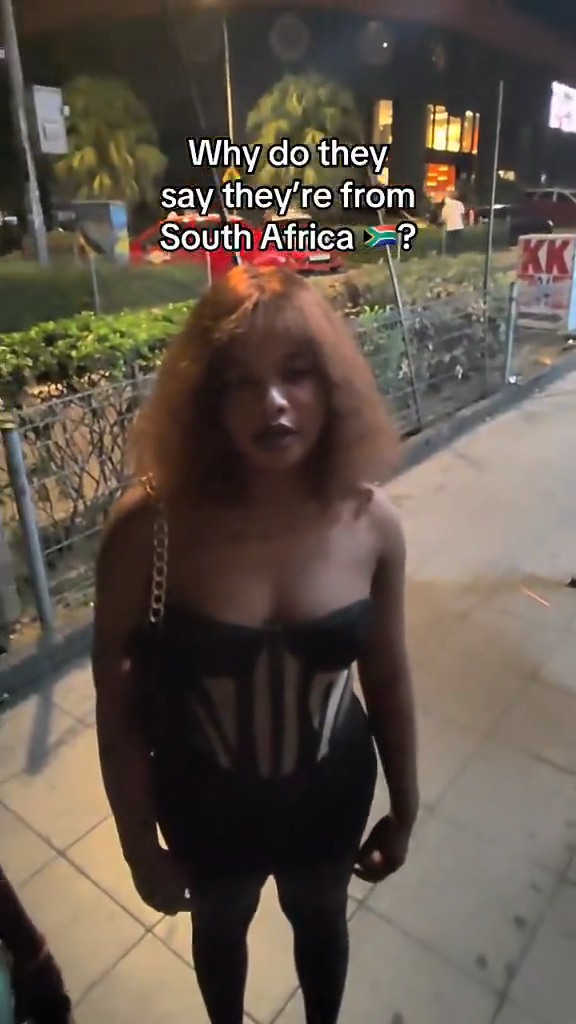
It’s a noticeable online trend and complaint, particularly from South Africans, involving some Nigerians (often abroad) claiming South African identity.
Why it happens (based on discussions and incidents)
- Reputation management: Nigeria sometimes carries stereotypes abroad (e.g., related to scams, crime, or “419” associations). Claiming South African nationality can be an attempt to dodge judgment, gain better treatment, or access benefits. South Africa has a relatively stronger global image in some contexts (economy, passports, tourism, English-speaking appeal).
- Viral examples:
- A recent clip (widely shared on TikTok/X) shows two women in Malaysia claiming to be from Cape Town when questioned by a traveler. Their accent and responses led South Africans to identify them as Nigerian. Reactions were strong: frustration over “ruining SA’s image” and devaluing the passport.
- Videos of Nigerians in South Africa itself denying Nigerian origins during protests or hospital access disputes (e.g., claiming SA citizenship to get healthcare amid anti-foreigner actions).
- Older patterns mentioned in comments/forums: Nigerians abroad using fake SA documents or simply lying about nationality.
South Africans often vent about this on social media, seeing it as embarrassing or opportunistic (“they hate us but want to be us”). Some Nigerians push back, denying it’s common or calling it xenophobic exaggeration.
Broader context
There are real tensions between the two countries:
- Significant Nigerian population in South Africa (tens of thousands documented, estimates of hundreds of thousands including undocumented).
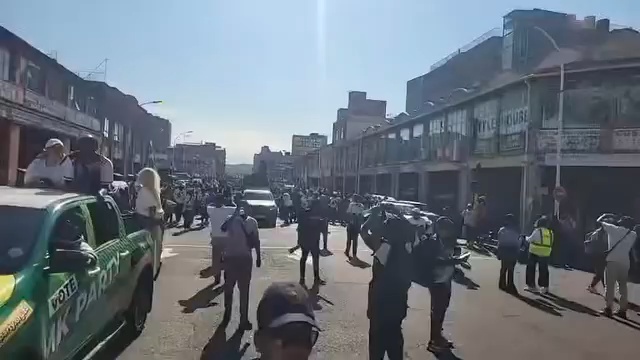
- Recent 2026 spikes in anti-migrant sentiment/protests in SA, leading to Nigerian repatriations (hundreds flown back) amid accusations of crime, job-taking, and strain on services. Nigeria has criticized SA for harassment and xenophobia.
- This fuels online animosity, with the “claiming SA identity” trope as a recurring jab.
Not every Nigerian does this—many are proud of their heritage and vocal about it. It’s a subset of behavior amplified by videos and stereotypes on both sides. Similar identity-shifting happens with other groups worldwide for practical or social reasons. The accent often gives it away quickly, as South African English has distinct features (e.g., “flat” vowels, slang).