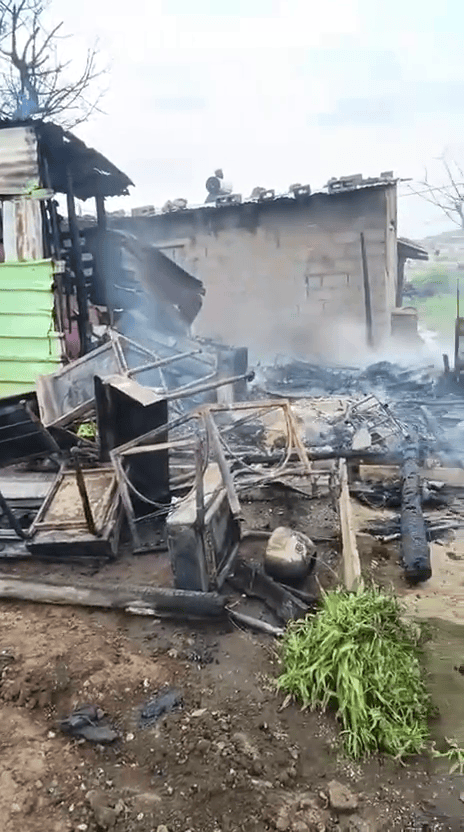




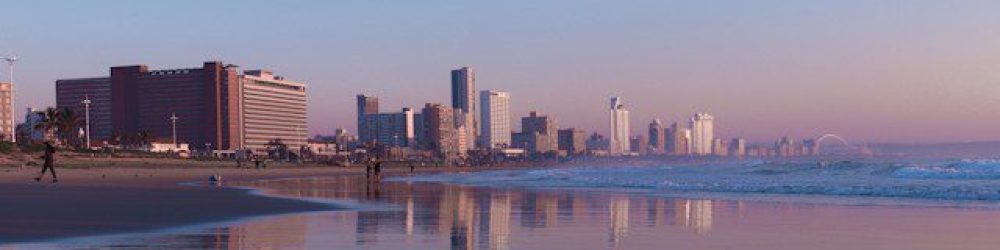


About 17 people (including children), part of a larger group displaced by the April 2022 floods, had been living in temporary emergency accommodation in a privately owned building on Point Road (also referred to in some reports as Mahatma Gandhi Road) since around December 2022. The eThekwini Municipality had rented the facility while permanent housing solutions were pursued. They were issued eviction notices in March and June 2026, and their belongings were moved outside around 27 July after the municipality stopped payments to the owner.
Eleven members of the group, represented by Legal Aid SA, brought an urgent application seeking further emergency accommodation. The building owner (Pearl Star Investments PTY 193) was listed as first respondent and the municipality as second. Applicants claimed the building manager, Xolani Mkhize, had cleaning staff remove their belongings and locked them out. Mkhize denied this, stating they left voluntarily after the notices. The applicants did not file a replying affidavit to contest his version. Magistrate John Sanders dismissed the application on 11 August 2026, noting that where facts are clearly disputed and the respondents’ version is uncontested, the matter must be decided on that version. The municipality itself did not file papers.
Municipality’s position and verification process
eThekwini Municipality conducted a beneficiary verification process for those in temporary emergency accommodation. It stated that 146 people (across facilities) did not qualify for continued housing assistance because they exceeded income thresholds, had previously received a government housing subsidy (e.g., an RDP house), already owned property, or their circumstances had changed. Qualifying families from the Point Road building were relocated to Montclair Lodge (a property the KwaZulu-Natal Department of Human Settlements bought from Transnet for about R33 million and refurbished) on 28–29 June 2026.
Municipal spokesperson Senzelwe Mzila said 84 qualifying families had been moved to Montclair Lodge. Of its 309 rooms, 136 had been handed over by the time of the reports, with the remaining 173 expected to be completed by the end of August 2026 for use by other flood victims still in private rented accommodation.
Those left outside dispute the eligibility findings and say they cannot afford alternatives. One resident, Siphesihle Simelane (whose Isipingo Beach home was destroyed in 2022), said the municipality cited a property deed in the family’s name, but claimed his grandfather had sold it years earlier without properly transferring the title. Nompumelelo Malemela and her young son were among those sleeping outside; she said she was excluded because she owns an RDP house in the Eastern Cape (where other family members live), but relocating mid-school year was impractical. Residents report having to ask for water at a nearby garage, children missing school, and a lack of food and shelter. They have expressed hope for public or civil society assistance. Building manager Mkhize indicated he would not remove them as long as they did not block the doorway.
Broader context of the 2022 floods and housing response
The April 2022 KwaZulu-Natal floods were among the deadliest natural disasters in the region’s recent history, killing hundreds (reports cite figures around 436–459), destroying or damaging thousands of homes (especially informal settlements), and displacing tens of thousands. Temporary emergency accommodation in rented private buildings (including hotels and self-catering facilities) has cost provincial and municipal authorities hundreds of millions of rands over the years (earlier figures cited at least R185 million for temporary shelters).
Progress on permanent housing has been slow. Projects such as houses in Cornubia (north of Durban) have delivered some units (e.g., over 100 handed over by mid-2026 as part of a larger planned programme costing hundreds of millions), but hundreds of families remained in temporary arrangements. Challenges have included land identification and acquisition, community opposition (“not-in-my-backyard” resistance in some areas), verification of beneficiaries, payment disputes with private landlords, and applying standard housing subsidy criteria (income under certain thresholds, no prior RDP benefit, South African citizenship, etc.) to disaster victims. Earlier reports documented repeated eviction threats, power cuts in temporary buildings over payment disputes, and residents living in poor conditions while waiting.
Similar patterns have appeared in other South African disaster responses, where temporary measures stretch on for years, verification processes exclude people on technical grounds (sometimes contested), and court applications for emergency relief face procedural or factual hurdles. Constitutional rights to access adequate housing and dignity are frequently invoked in such cases, but municipalities and provinces often argue limited resources, the need for orderly allocation, and that not every displaced person qualifies for ongoing state-supported temporary or permanent housing under existing programmes.
As of the mid-August 2026 reports, the specific group outside the Point Road building remained on the pavement with their belongings, with no immediate alternative provided by the municipality after the court dismissal. The situation highlights ongoing tensions between disaster recovery needs, administrative eligibility rules, fiscal constraints on temporary accommodation, and the slow pace of permanent housing delivery more than four years after the floods. Further developments would depend on any appeals, additional civil society intervention, or accelerated completion and allocation of units at Montclair Lodge and other projects.