




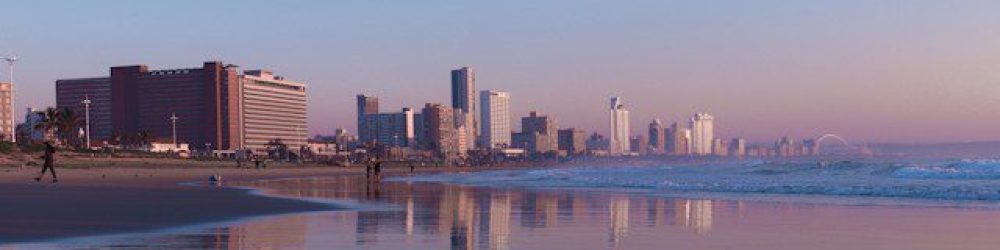

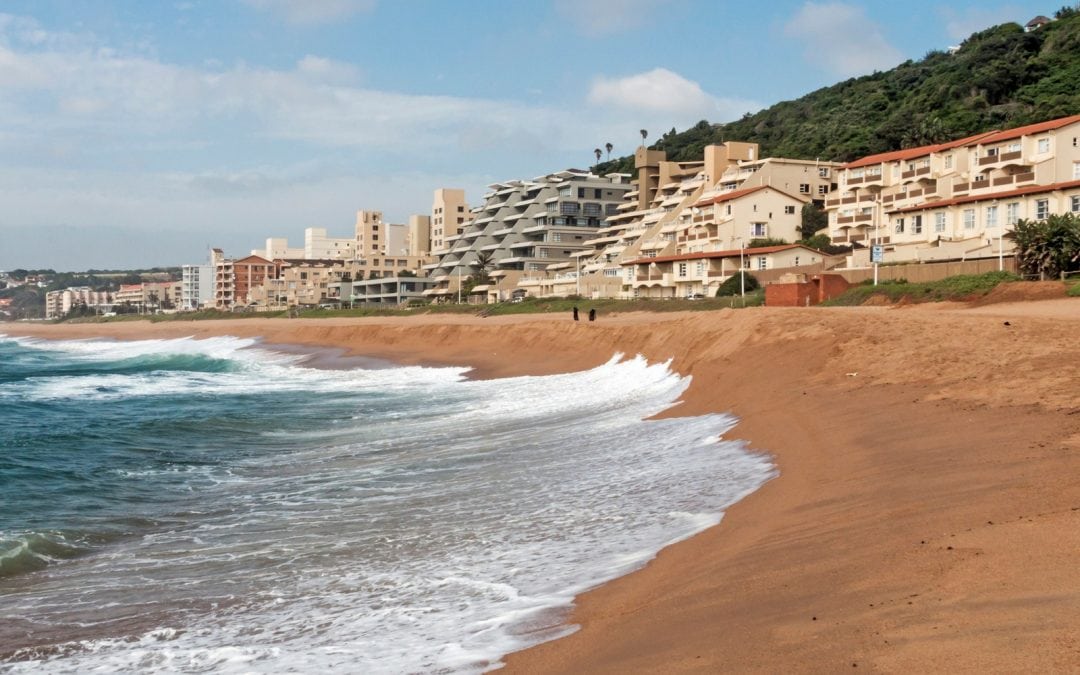
Private beachfront development on South Africa’s North Coast (and elsewhere) is enabled by a mix of historical property rights, approved planning processes, economic incentives, and imperfect enforcement of public access laws.
Legal Framework in South Africa
South African law, particularly the National Environmental Management: Integrated Coastal Management Act (ICMA) 2008, aims to protect public rights:
- Coastal public property (generally the seashore up to the high-water mark, plus certain other areas) is owned by the public/citizens and held in trust by the state. Natural persons have a right of reasonable access and use (e.g., swimming, fishing), as long as it doesn’t harm the environment or others’ rights.
- Municipalities must designate coastal access land (strips providing entry to the beach) via by-laws and protect/enforce public access, including signposting and maintenance.
- Historical features like the Admiralty Reserve (a strip of state land along parts of the KZN coast) were meant to buffer public access, though encroachments and disputes exist.
This builds on the public trust doctrine and post-apartheid efforts to ensure equitable access after racially segregated beaches.
Why Private Development Happens Anyway
- Private ownership of land above the high-water mark: Beachfront properties are often privately owned. Owners can build homes, estates, resorts, or infrastructure (e.g., walls, gates, boardwalks) on their land, subject to approvals. This can physically restrict easy public entry even if the wet beach remains technically public. Lateral access along the waterline is usually allowed, but getting to it (or using dry sand/upper beach) can be blocked.
- Development approvals: New builds or expansions require environmental impact assessments (EIAs), zoning, and coastal management approvals under ICMA and other laws. Local governments (e.g., eThekwini for Durban areas) approve projects that bring investment, jobs, rates/taxes, and tourism. North Coast areas like Ballito, Umhlanga, Zimbali, or developments tied to resorts (e.g., recent Club Med-linked public access upgrades at Tinley North Beach) often proceed with conditions for some public access.
- Economic and practical realities: Coastal property is extremely valuable. “The rich” (or developers) invest heavily, lobby, and comply with regulations that often prioritize high-end tourism/economic growth. Exclusive estates market “private beach access” or gated tranquility, appealing to buyers. Public infrastructure (roads, parking, lifeguards) costs money, which developments can help fund—but enforcement lags.
- Enforcement gaps and encroachments: Studies and reports note ongoing issues—private owners extending onto public land, blocking paths, or using security/fences. Municipalities face resource constraints, competing priorities, and historical apartheid legacies of unequal access. Similar complaints occur in Cape Town (e.g., Clifton) and other areas. Informal or uncontrolled access can also lead to erosion or safety problems, sometimes justifying formal developments.
This isn’t unique to Durban’s North Coast or South Africa—many countries see tensions between private property rights and public beach access (e.g., U.S. states debating “customary use” or dry-sand rights).
Not a Complete Monopoly
- Many North Coast beaches remain publicly accessible (e.g., popular spots in Umhlanga, Umdloti, or further north), though crowds, water quality, safety, or facilities vary.
- Laws require mitigation for access restrictions in new developments, and activism/court challenges can push back (as seen in various coastal disputes).
- Recent examples show public access improvements tied to private projects.
In short, it’s allowed because private land ownership + economic development pressures often outweigh strict public access ideals in practice, despite progressive laws on paper. Weak local enforcement, historical patterns, and the high value of prime coastal real estate sustain it. Solutions typically involve stronger municipal enforcement of ICMA, better coastal management plans, public advocacy, and legal challenges to illegal blockages. If you’re facing a specific blocked spot, contacting the local municipality or environmental groups with details would be a starting point.