




This initiative supports the resort’s opening (Club Med South Africa Beach & Safari on the North Coast) and underscores a broader focus on community integration, skills development, and tourism-driven economic growth.
Key Details of the Partnership
- Jobs Created: Around 40 lifeguard roles, with most recruits drawn from local KZN communities. All have completed NSRI training and certification.
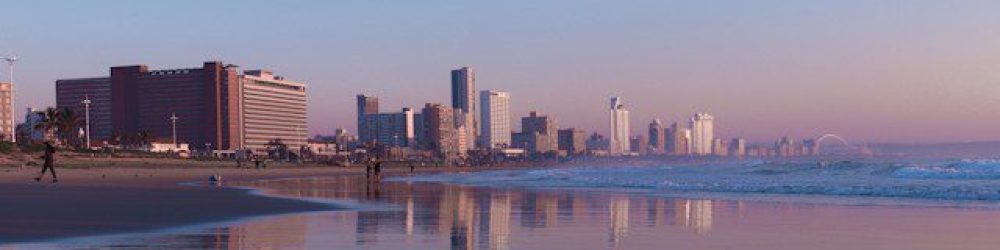
- Scope of Work: Lifeguards will provide water safety and supervision across the resort’s facilities, including six swimming pools, a dam, and the adjacent public beach. They will work alongside other resort staff and potentially support broader NSRI operations on the North Coast.
- Timeline: The partnership was formalized earlier (announced around October 2025), with lifeguard appointments highlighted as the resort nears or begins operations in mid-2026.
- NSRI’s Role: As South Africa’s premier sea rescue organization, NSRI brings professional standards, training expertise, and equipment oversight rather than relying on external contractors. This enhances safety while building local capacity.
Broader Context and Implications
Economic and Employment Angle:
- Tourism is a major employer in KZN’s coastal areas, but seasonal and skills-mismatched jobs can limit benefits for locals. This model—partnering with a respected NGO like NSRI for targeted training and hiring—helps address that by creating stable, skilled positions.
- It aligns with youth development efforts; earlier reports noted the resort investing in hospitality training ahead of its 2026 opening.
- Multiplier effects could include increased local spending, skills transfer (lifeguarding, first aid, water safety), and potential pathways to further opportunities (e.g., some NSRI-trained individuals have advanced to international maritime roles).
Safety and Tourism Benefits:
- Professional lifeguarding reduces drowning risks on public and resort beaches, supporting KZN’s beach economy and visitor confidence.
- Club Med gains credibility with its “all-inclusive” premium model by emphasizing safety through a trusted local partner, differentiating it in the competitive Indian Ocean resort market.
- NSRI expands its footprint beyond traditional beaches, potentially strengthening regional rescue capacity through shared resources and trained personnel.
Nuances and Edge Cases:
- Sustainability: Lifeguard roles in tourism can be seasonal; it remains to be seen how year-round employment or off-season redeployment (e.g., to other NSRI stations) is managed.
- Training Quality: NSRI certification is rigorous, but scaling to 40 new guards requires effective onboarding. Success depends on ongoing support, equipment, and integration with resort operations.
- Community Impact: Prioritizing locals is positive, but equitable distribution (across genders, demographics, or nearby towns) and long-term retention matter. Broader resort employment (beyond lifeguards) will determine overall economic uplift.
- Challenges in KZN Context: Issues like illegal hiring/immigration enforcement (noted in related provincial news) and competition for skilled workers in tourism could influence outcomes. Weather, beach conditions, and public access to the beach add operational complexity.
- Scalability: This could serve as a model for other resorts or developments, but replication depends on NSRI’s capacity and private-sector willingness to invest in local training over cheaper external options.