





- The Victims: Two brothers living in extreme hardship. One (a medically boarded pensioner) was confined to a wheelchair and had been without his insulin for over three months, despite having medical aid. The other brother suffered from high blood pressure and had also gone without medication for months. The shack was located at the top of a steep dirt embankment, accessible only by climbing rocks and navigating informal settlements, making it impossible for the wheelchair user to leave independently.
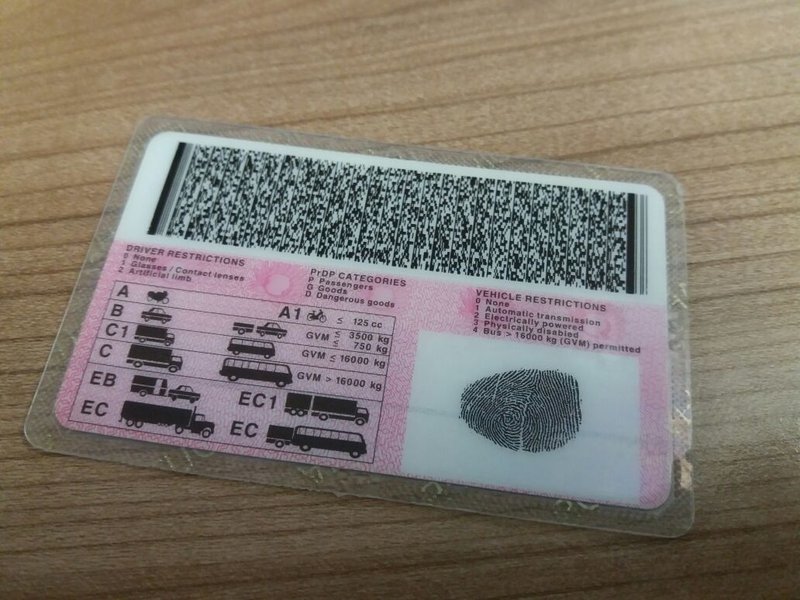
- Allegations: The caregiver allegedly took control of the wheelchair-bound brother’s bank card and ID document. He reportedly arranged loans through loan sharks in the brother’s name, withdrew money without consent, and failed to provide basic care or medication despite access to funds. The caregiver’s primary concern during the rescue was reportedly an outstanding loan.
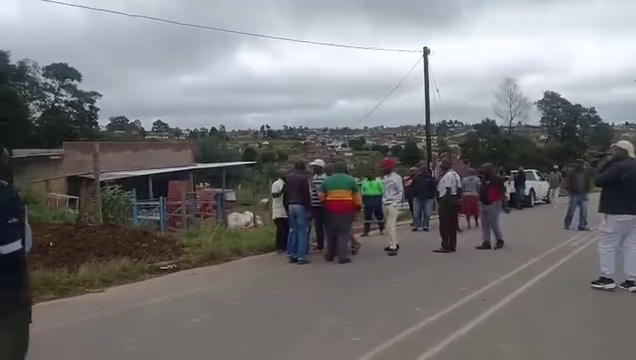
- The Rescue: Conducted by The Elders Voice KZN, an organization advocating for older persons’ rights, led by Joanne Herbst. She initially visited alone after the tip-off, then coordinated with volunteers: Vincent de Beer and Jabulani Ntenza (Gladiator Investigations) and Neil Friedberg (Halfway 4×4). Police from SAPS Isipingo were contacted for support (though a vehicle was delayed). The team physically carried the wheelchair-bound brother and his belongings down the treacherous embankment.
The brothers were moved to safer accommodation. Upon arrival, they reportedly collapsed onto their beds in relief, feeling safe for the first time in a long while. Next steps include restoring pensions/SASSA access, replacing documents, reporting financial exploitation, and ensuring medical care.
Context and Broader Implications
This case highlights the vulnerability of elderly people in South Africa, particularly in areas affected by poverty, informal settlements, and family or caregiver exploitation. Elder abuse—encompassing neglect, financial exploitation, and physical/emotional harm—is often underreported and “hides behind the word ‘caregiver,'” as Herbst noted. Factors like emigration of younger family members, unemployment, and economic pressures exacerbate the issue.
The Elders Voice KZN plays a key role in advocacy and direct intervention. Herbst emphasized the importance of public vigilance: “If you suspect an older person is being abused, neglected or financially exploited, please don’t stay silent.”
Nuances and Related Considerations
- Accessibility Challenges: The location’s inaccessibility amplified the neglect. Many elderly or disabled individuals in rural or informal areas face similar isolation, with limited mobility options or support services.
- Financial Exploitation: Common in elder abuse cases, involving pension control, unauthorized loans, or identity misuse. South Africa’s SASSA (Social Assistance) system is a lifeline but can become a target.
- Community and Volunteer Response: The rapid involvement of private individuals and organizations shows positive civil society action when formal systems (like immediate police response) face delays.
- Edge Cases: Not all elder care situations involve malice; some stem from caregiver burnout or poverty. However, withholding medication and trapping someone constitutes clear harm. Brothers’ fear of separation underscores emotional bonds and the need for holistic support that keeps families intact where possible.
- Systemic Issues: This reflects broader challenges in South Africa, including strained social services, healthcare access for chronic conditions (diabetes, hypertension), and protection for pensioners. Similar stories exist, such as past cases of elderly people trapped in shacks due to disability.
This rescue is a success story of intervention and compassion amid troubling circumstances. It serves as a reminder of the need for stronger protections, awareness campaigns, and support networks for vulnerable seniors. If this relates to a specific aspect (e.g., how to report abuse, similar cases, or support organizations), provide more details for further exploration.