





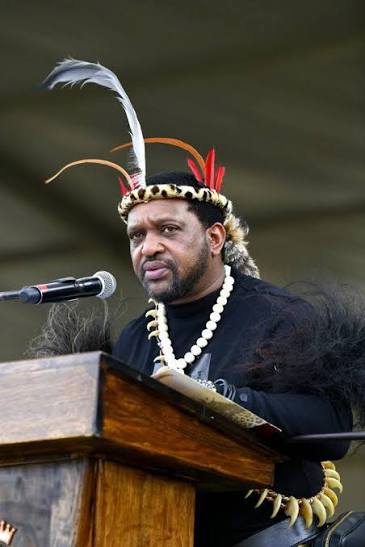
The Zulu Kingdom is South Africa’s largest traditional monarchy, with deep roots in pre-colonial history (notably under Shaka, Cetshwayo, and others). Under the post-1994 democratic order:
- Traditional leaders, including the King, are recognized in the Constitution (Chapter 12) with roles in customary law, land, and community governance, but without executive governmental power.
- The Ingonyama Trust (administering vast Zulu communal land) and interactions with provincial/national government create ongoing friction points.
- The Traditional Prime Minister (a revived or formalized role under recent kings) acts as a key advisor, coordinator, and liaison. The position has seen turbulence under King Misuzulu kaZwelithini (who ascended in 2021 after King Goodwill Zwelithini), with appointments, dismissals, and reappointments of figures like Thulasizwe Buthelezi involving political overlaps (e.g., Buthelezi also serving as KZN MEC for CoGTA).
Royal events (ceremonies like Umkhosi Woselwa, commemorations, openings, or cultural festivals) traditionally blend heritage, praise poetry, regiments (amabutho), and protocol. Government involvement often includes funding, security, infrastructure, or attendance by officials, which can blur lines through banners, speeches, or branding.
Reasons for the Call: Protecting Neutrality
- Symbolic Unity: The King is viewed as “father of the nation” for Zulus and a broader symbol of heritage. Partisan branding risks portraying the monarchy as aligned with specific parties (e.g., ANC, IFP, MK Party), alienating segments of the population or factions within the royal house/amakhosi.
- Historical Precedents: Past controversies include municipal banners replacing Zulu kings’ imagery with election promotions, or politicians using royal platforms for campaigning. The monarchy has faced accusations of politicization amid land, migration, and provincial naming debates (e.g., removing “Natal”).
- Internal Royal Dynamics: Recent instability (leaked videos, spokesperson changes, PM appointments/firings) highlights efforts to centralize control, enforce protocol, and limit external influences. The Prime Minister’s role includes coordinating engagements and preventing misuse of royal symbols.
- Broader Implications: In a polarized political landscape (with ethnic undertones in KZN), overt government branding could undermine the King’s moral authority on issues like peace, unity, immigration enforcement, or cultural revival. It also respects royal proto