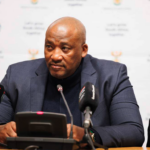






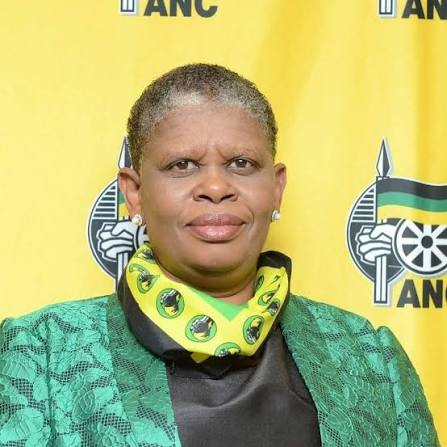
Gumede is a long-time ANC figure in KwaZulu-Natal. She served as eThekwini mayor from around 2016–2019 and later as ANC eThekwini regional chairperson. Her tenure as mayor was marked by significant controversy, including allegations of tender irregularities, interference in procurement, and links to business forums. She was removed as mayor in 2019 amid mounting pressure.
The R320 Million Fraud Charges
Gumede and 21 co-accused face a wide range of serious charges in the Durban High Court related to the Durban Solid Waste (DSW) tender (2016–2019 era). These include:
- Fraud
- Corruption
- Racketeering
- Money laundering
- Contraventions of the Municipal Finance Management Act and Municipal Systems Act
The core allegations involve the irregular awarding and extension of waste collection contracts to specific companies (e.g., Uzuzinekele, Ilanga, Omphile, El Shaddai). The contract reportedly ballooned from an initial ~R45 million budget to over R320 million through extensions and additional payments for “illegal dumping,” bypassing proper procurement processes. The state claims this benefited ANC councillors, allies, business forums, and connected individuals, with kickbacks allegedly flowing to Gumede and others.
Gumede has pleaded not guilty, remains on R50,000 bail, and her defence has challenged aspects of the state’s case (e.g., docket issues, forensic reports). The trial has been protracted—ongoing since charges in 2019/2021, still in relatively early stages with many witnesses pending as of late 2025/2026. No final verdict has been reached.
Nuance: South African courts presume innocence until proven guilty. However, the scale of the allegations, forensic reports, and the pattern of irregular expenditure in eThekwini during that period (hundreds of millions flagged by auditors) have fueled public scepticism. Similar cases highlight systemic procurement vulnerabilities in municipalities.
Why MK Party?
- Political alignment: Gumede has longstanding ties to Jacob Zuma’s faction. MK Party, founded by Zuma, positions itself as a radical alternative to the ANC, emphasizing “left shift,” Radical Economic Transformation (RET)-style policies, and anti-“Gupta/elite” narratives (ironically, while absorbing figures from that era). Her appointment was announced warmly by MK leaders, praising her “unquestionable credentials.”
- Strategic move: This is part of MK’s push to recruit ANC defectors ahead of 2026 local government elections. Other recent joiners were noted alongside her. Analysts called it a “huge victory” or “major coup” for Zuma/MK in KZN, a key province. MK claims membership gains post-announcement.
- Gumede’s response: She was grateful but declined to detail reasons for leaving the ANC publicly.
Broader Context and Implications
This fits a pattern in South African politics:
- Cadre deployment and factionalism: Post-Zuma ANC saw repeated scandals involving tender manipulation under RET banners, often benefiting politically connected networks. MK attracts those alienated by the ANC’s post-Ramaphosa direction (e.g., anti-corruption drives, coalitions).
- Accountability challenges: High-profile figures facing charges often remain politically active. Public trust in institutions erodes when prosecutions drag on for years (resource constraints, complex cases, delays). Yet convictions in similar municipal cases show the system can work, albeit slowly.
- Voter and governance angle: eThekwini has struggled with service delivery, illegal dumping, and financial irregularities. Electing or elevating figures under cloud can signal tolerance for alleged graft, potentially affecting service outcomes and investor confidence. Conversely, supporters view such moves as resistance to “persecution” of Zuma-aligned leaders.
- Opposition and public reaction: Critics on social media and from other parties highlighted the optics of welcoming someone mid-trial. ANC responses (e.g., from Mbalula) downplayed it as not “at war.” It underscores fragmentation on the left/ANC spectrum.
Multiple angles: From a rule-of-law perspective, presumption of innocence allows political participation, but optics matter for parties claiming renewal. From a pragmatic view, MK gains an experienced (if controversial) organiser in a stronghold. From a governance lens, it raises questions about whether recycled leadership with baggage advances service delivery or entrenches patronage.