





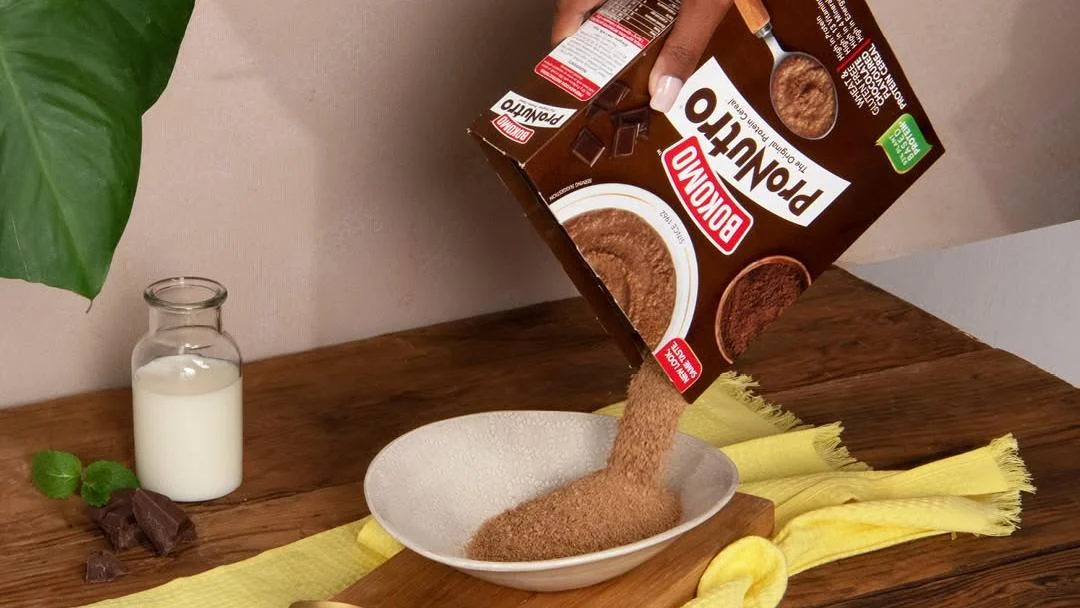
The cereal, long associated with the Bokomo brand (under PepsiCo following its acquisition of Pioneer Foods around 2020), is no longer being produced or sold in South Africa. The announcement followed months of consumer backlash against a reformulated “New Generation” version launched earlier in 2026. PepsiCo stated that after a long and careful review, it could not recreate the original taste, texture, and mixability that consumers expected, leading to the permanent withdrawal.
Background and History
ProNutro originated in efforts to combat malnutrition and protein deficiency in South Africa. Research roots trace back to the 1930s (involving figures linked to the South African Institute for Medical Research and companies like Hind Brothers), with commercial launch in 1962. It was developed as a high-protein, nutritionally balanced powdered food—often described as one of the world’s first nutraceutical cereals—blending cooked maize, soya, peanuts, and skimmed milk, fortified with vitamins and minerals. It was marketed as an affordable, convenient protein source suitable for everyday use, sports, or addressing nutritional gaps, and it became a multi-generational household staple available in flavours such as original, chocolate, banana, and strawberry.
Over decades it shifted from a more therapeutic/nutritional product toward a mainstream breakfast cereal while retaining its protein positioning.
Why the Reformulation and Eventual End?
The problems began with ageing production equipment. The original used a specialised roller-drying process (product spread onto a hot spinning drum and scraped off as a crisp film). This machinery had become unreliable, difficult and costly to maintain, and inefficient by modern standards (higher water and energy use relative to current expectations). Replacing it like-for-like was described as prohibitively expensive and would have driven up consumer prices significantly. PepsiCo therefore switched to a newer, more cost-efficient and environmentally sustainable manufacturing process, introducing the “New Generation” product around April 2026. The company said the new version retained core nutritional benefits (plant-based protein base, 13 vitamins, four minerals) while reducing sugar and altering texture/packaging.
Consumers strongly rejected it. Widespread complaints focused on changed taste, unpleasant or different texture, poor mixability with milk, and an overall experience that no longer matched the product many had grown up with. Social media backlash was intense; some parents reported children refusing it. PepsiCo apologised, temporarily halted or limited production while exploring improvements (especially mixability), and acknowledged the feedback. However, it could not restore the original sensory profile with the new process. The specialised original equipment had been dismantled/scrapped, and the process could not easily be transferred to another manufacturer or reproduced reliably, affordably, and sustainably. Sales had already been declining, and the brand had been subsidised for years.
By mid-to-late 2026, stock shortages were widely reported at major retailers. On 23 September 2026, PepsiCo confirmed the full discontinuation with immediate effect, thanking consumers for decades of support.
Broader Context and Implications
This is a classic case of the risks of reformulating deeply loved heritage brands whose identity is tightly bound to a specific sensory experience and manufacturing method. Comparisons have been drawn to other high-profile reformulation failures (though PepsiCo noted it could not simply reverse course as some companies have done). For many South Africans, ProNutro carried cultural and nostalgic weight—part of childhood breakfasts, school routines, or family habits—amplifying the sense of loss. Reactions on platforms and in media have included mourning, humour, and frustration (“RIP ProNutro,” “end of an era,” “this is sad”).
From a business perspective, continuing a rejected or declining product that required subsidies and faced production constraints was not viable. Alternatives like licensing or recreating the exact original elsewhere were not feasible according to the company. Remaining limited stock may still appear in some stores for a short time, but production has ended. Note that related items (such as certain ProNutro bars in some reports) were treated separately in availability checks, but the cereal itself is the product being discontinued.
The episode highlights tensions between modern manufacturing/sustainability pressures, cost control, nutritional reformulation goals (e.g., lower sugar), and the powerful pull of product authenticity and nostalgia for long-standing local brands. For consumers, it marks the end of easy access to a distinctive South African breakfast option that stood apart from more conventional cereals.