

Protests erupted on 8–9 October 2026 (and continued into a third day in some reports) in Durban and other areas, including Soweto. Demonstrators demanded the repatriation of undocumented foreign nationals and an end to asylum applications. The unrest was linked to anger over a July Constitutional Court ruling and a subsequent Home Affairs directive that allowed asylum seekers to apply even if they had entered the country illegally. Home Affairs later withdrew the directive in an attempt to calm tensions, but violence continued.
Key developments included:
- Crowds moving through the CBD and surrounding areas (Glenwood, Umbilo, Point, Lamontville, Merebank, and elsewhere).
- Looting and damage to shops and businesses (some reports noted shops with bullet holes).
- Torching of vehicles (around 14 in Durban alone; higher combined figures with Soweto).
- Arson and assaults targeting people perceived as foreign nationals.
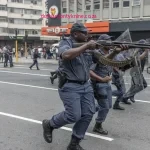
- Police using tear gas, stun grenades, and rubber bullets while stretched thin across multiple locations.
KwaZulu-Natal Premier Thami Ntuli formally requested SANDF deployment on 9 October, stating the situation had become unmanageable and police were outnumbered. National government approved the request. Acting Police Minister Firoz Cachalia and provincial police commissioner Lt-Gen Nhlanhla Mkhwanazi were involved in assessments and coordination.
Current status of the deployment
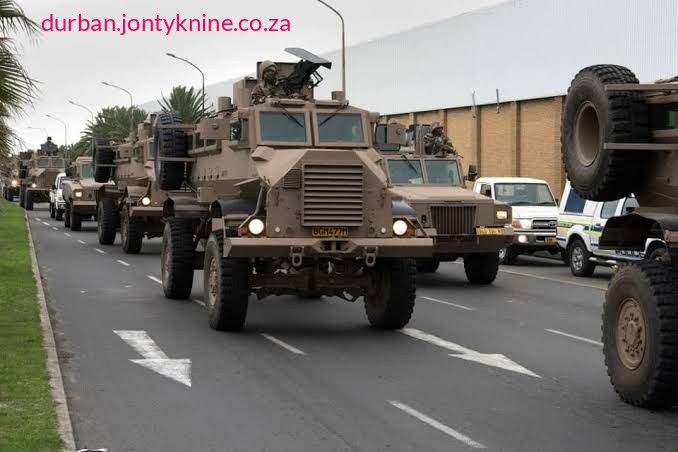
Armed SANDF members began patrolling the Durban CBD alongside SAPS on 10 October 2026 to monitor the situation, deter further unrest, and help restore order. Reports describe a visible military presence in the city centre supporting police, though exact troop numbers and the planned duration have not been publicly detailed in most coverage (under the Constitution, the President authorises such deployments in support of the police and must inform Parliament).
At least 19 people were arrested in connection with the Durban protests (some later reports cited higher combined figures across KZN and Gauteng, around 25–30). Charges include public violence, malicious property damage, and related offences. Police continued searching for those involved in arson and vehicle burnings.
Broader context and related points
Similar unrest occurred in Soweto, with vehicles burned and reports of gunfire. SANDF had already been involved in stabilisation efforts elsewhere (e.g., under Operation Prosper in other provinces). The Durban deployment fits a pattern of military support when police resources are overwhelmed during civil unrest, as seen in previous incidents in the country.
Durban is South Africa’s third-largest city and a major port, so the unrest raised concerns about impacts on businesses, logistics, visitors, and investors. Authorities emphasised restoring law and order while condemning both the violence and any opportunistic criminality.
As of the latest available reports (around 10–11 October 2026), the focus remained on joint SANDF-SAPS patrols in the CBD to prevent further escalation. Official statements stressed professional action within the law, and police refuted some social media rumours (e.g., about disruptions to events).
This is a rapidly developing situation. For the most up-to-date details, check official SAPS, SANDF, or provincial government channels, as numbers of arrests, the exact scale of the deployment, and any further incidents can change.