




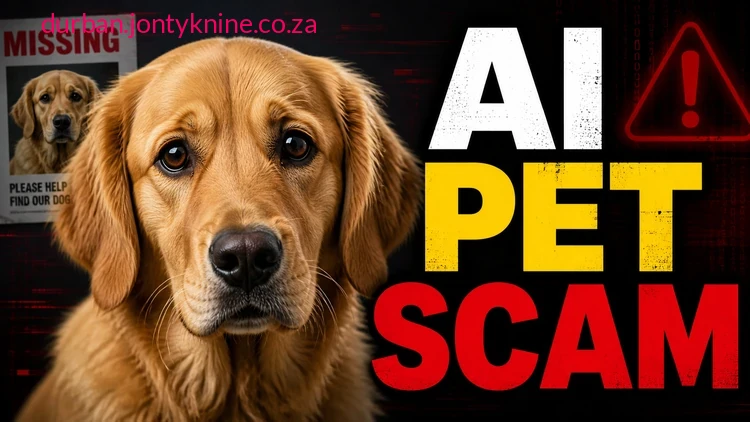
This is a real and growing scam, documented in multiple countries (UK, US, Australia, Canada) and highlighted in recent reporting, including a BBC News story from 4 November 2026.
How the scam typically works
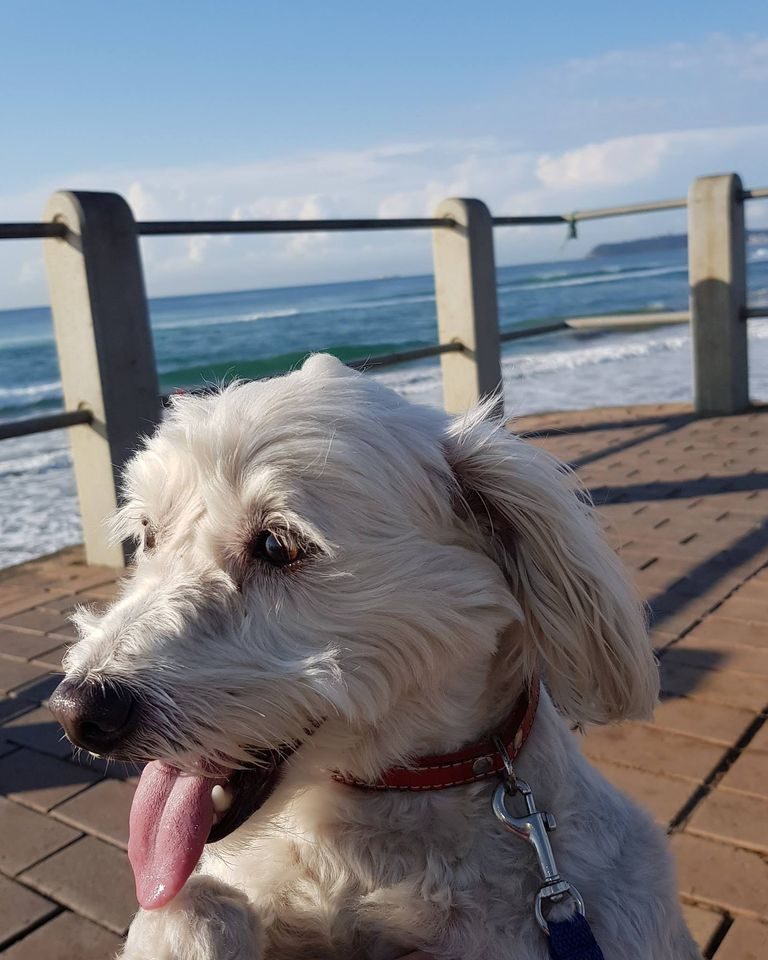
- Scammers monitor social media groups, missing-pet posts, Nextdoor, Facebook, etc., for photos and details of lost cats or dogs.
- They use AI tools to generate or edit realistic images of the pet in a new setting (e.g., a garden, cage, or even on an operating table), sometimes building elaborate backstories.
- They contact the owner claiming to have found the pet and request a reward—often framed as help for “autistic grandchildren” or similar—or demand payment for “vet bills,” boarding, or return.
- Payment is pushed via gift cards (especially Apple), payment apps, crypto, or wire transfers. In-person meetings are avoided or delayed until money is sent.
- If the owner questions the images or refuses to pay, some scammers threaten to harm, sell, or “murder” the pet.
Real cases include:
- Stephanie Young (Birmingham, UK): Received AI images of her missing cat Buddy; the scammer demanded Apple gift cards and later threatened to sell or murder the cat after being challenged.
- Cam Chauhan (UK): Got a highly realistic AI photo of her cat Creed and a demand for a £200 Apple gift card.
- Sarah Robinson (UK): Faced a demand for £40,000 and death threats regarding her cat Cookie.
- Similar incidents in Florida (AI “surgery” photos of a dog demanding ~$2,800), Australia (AI cage photo after a $10k reward offer), and elsewhere.
AI makes the images convincing enough that emotional owners can be fooled at first glance, especially since scammers start with the owner’s own posted photos.
Advice from authorities and pet-recovery groups
- Never send money, gift cards, or payment-app transfers based on a photo alone. Legitimate finders almost never demand irreversible payment methods upfront.
- Demand stronger proof: a live video call or short video showing unique, non-public features of your pet (specific markings, collar details not visible in your posts, personality quirks, etc.).
- Arrange any handover only in a safe public place and verify the animal in person before any payment.
- Ask questions only a real finder would know (e.g., exact collar/tag details, behavior).
- Report attempts to local police, national fraud services (e.g., Report Fraud / City of London Police in the UK, FTC’s ReportFraud.ftc.gov in the US, or equivalent national anti-scam centers), and the platform where contact occurred.
- When posting about a missing pet, consider limiting highly detailed or high-quality photos if possible, or use watermarks, though this does not eliminate risk.
Organizations like Pawboost and the FTC emphasize slowing down, verifying independently (contact real local shelters/vets yourself), and treating any urgency + unusual payment request as a major red flag.
This scam exploits genuine grief and the power of realistic generative AI. Awareness is the best defense: a photo is no longer reliable proof.