




The case involves the July 20, 2023, murder of Durban Metro Police Superintendent (or Senior/Acting Lieutenant) Errol George Ogle on the M7 highway near Queensburgh, eThekwini (Durban), South Africa. On January 16, 2026 (or around mid-July 2026 per some reports), the Durban High Court sentenced Mlungisi Phakamani Mpanza (37) to life imprisonment for the murder, plus concurrent sentences (e.g., 15 years for robbery with aggravating circumstances and 3 years for kidnapping), resulting in an effective life term.
Incident Details
Mpanza, along with co-accused Mzomuhle Lawrence Gamede (34) and others, hijacked a Chester Wholesale Meats (or Butcheries) truck carrying meat valued at approximately R700,000–R731,530. This was reportedly motivated by revenge after Mpanza and associates were dismissed from the company following an unlawful strike.
- The group forced the driver (Kishore Lakraj) into the back and took control.
- The truck stalled shortly after on the M7 off-ramp (facing oncoming traffic) due to locked gears, about 50 meters from the hijacking point.
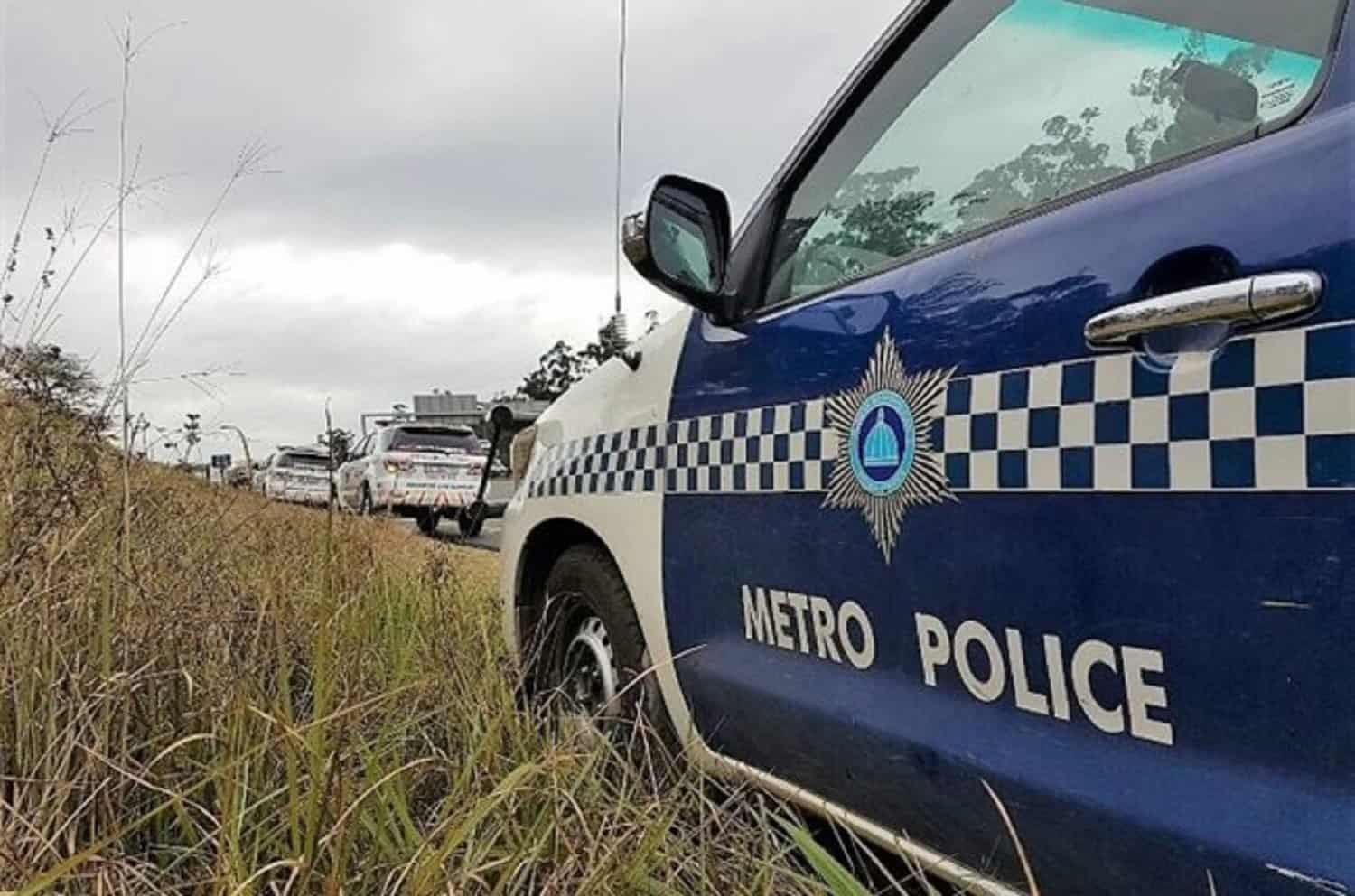
- Ogle, in a marked Metro Police vehicle, stopped to investigate the improperly parked/stalled truck as part of his duties.
- One or more of the suspects approached and shot Ogle in the chest (fatal wound); he died at the scene. The perpetrators stole his service firearm and fled in his patrol vehicle (later abandoned). Some fled on foot.
Cellphone records, a Section 204 witness (accomplice), and other evidence linked the accused. A fourth suspect was killed in a later police shootout; another remains at large. Sabelo Mncube was acquitted of all charges in related proceedings.
Gamede was convicted of robbery and kidnapping but acquitted of murder (he was not present at the initial planning and lacked knowledge of firearms being used). He received an effective ~15–18 years.
Sentencing Rationale
Acting Judge (or Judge Garth Harrison) emphasized:
- No substantial and compelling circumstances to deviate from the prescribed minimum sentence of life imprisonment for murdering a law enforcement officer acting in the line of duty.
- The murder was part of a planned robbery; the officer posed no immediate threat.
- Attacks on police officers are attacks on society and the rule of law, undermining community protection.
- Mpanza orchestrated the crime as the mastermind. Both were declared unfit to possess firearms.
The accused (first offenders) chose not to testify in mitigation. They indicated plans to appeal convictions and sentences.
Victim Impact and Family Response
Ogle, a dedicated officer inspired to join the force after childhood bullying to protect others, left behind his wife Faith Ogle and two sons. Faith described profound family and community loss in victim impact statements. She expressed gratitude for justice after a long process, noted some closure and healing beginning, and mentioned choosing forgiveness.
Broader Context in South Africa
- High risks for law enforcement: South Africa sees frequent attacks on police/traffic officers during routine duties, especially robberies, hijackings, and traffic stops. Life sentences are the statutory minimum for murdering officers (Criminal Law Amendment Act), with courts often citing deterrence and societal protection.
- Similar cases: Recent precedents include life sentences for cop killers in KZN and elsewhere (e.g., taxi robberies, ambushes). These reflect judicial emphasis on the vulnerability of officers and the need for strong deterrence amid high violent crime rates.
- Challenges: Lengthy investigations/trials (nearly 3 years here), appeals, and accomplices at large highlight systemic issues like witness protection, evidence handling (cellphone forensics were key), and prison overcrowding. Disgruntled former employees turning to crime adds a layer of workplace/retaliatory violence.
- Public and official reaction: The National Prosecuting Authority (NPA) welcomed the outcome as a deterrent. Metro Police and community leaders viewed it as justice for a public servant. It underscores ongoing debates on policing, firearm control, and violent crime in KZN.
Nuances and Implications
- Premeditation vs. opportunism: The robbery was planned, but Ogle’s killing occurred during an unplanned encounter after the truck stalled—yet courts treated it as part of the aggravated criminal enterprise.
- Rehabilitation and first offenders: Despite no prior convictions, the gravity (targeting a uniformed officer) overrode personal circumstances.
- Edge cases: If the murder had been deemed non-premeditated or without officer status, sentences might have differed. Accomplice distinctions (e.g., Gamede’s lesser role) show nuanced liability.
- Societal ripple effects: Such incidents erode trust in public safety, affect officer morale/recruitment, and fuel calls for harsher penalties or better protections. For families, long-term trauma persists despite sentencing.
- Related considerations: This fits patterns of taxi/truck hijackings in the region. Broader solutions involve intelligence-led policing, community cooperation (e.g., the taxi driver who turned himself in), and addressing root causes like unemployment and labor disputes.
This case exemplifies the justice system’s response to line-of-duty killings in high-crime areas, balancing mandatory minimums with case-specific evidence while providing measured closure to victims’ families. Outcomes like this aim to deter but also highlight persistent challenges in curbing such violence.