





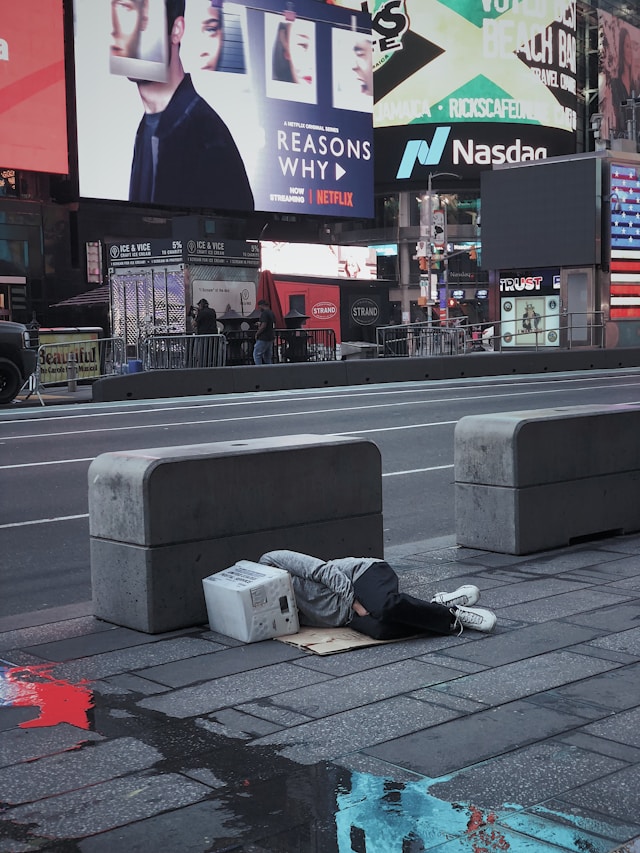
Recent shocking revelations center on a May 2026 Carte Blanche exposé highlighting brutal assaults on homeless individuals in Durban’s CBD by personnel from Ensure Security, a private company contracted by the eThekwini Municipality.
CCTV footage from December 18, 2025 (outside the Embassy Building) shows multiple uniformed guards repeatedly beating a homeless man with a sjambok (a heavy, flexible whip). Several others watched without intervening. One guard allegedly used water to wash blood off the pavement. The Denis Hurley Centre (DHC), which supports the homeless, received the video in January 2026 and described the incident as involving at least six personnel.
This is not isolated. Advocacy groups report a pattern of complaints dating back to at least November 2025, including sjambok beatings (causing characteristic “tramline” bruises), slaps, and threats—often while people slept or collected recyclables. A volunteer doctor at Denis Hurley’s clinic treated multiple patients weekly with consistent injuries, including one case of eye damage leading to blindness.
Broader Context of Violence Against the Homeless in Durban
Durban (eThekwini) faces a significant homelessness crisis, with estimates around 16,000 people affected. Qualitative studies, such as Nosipho Mthembu’s research at UKZN and a 2025 DOAJ-published study, document pathways into homelessness (poverty, unemployment, childhood adversity, substance abuse) and routine victimization.
Common forms of violence include:
- Physical assaults — By private security (e.g., Ensure guards, sometimes masked), members of the public, and occasionally law enforcement. Weapons like sjamboks are frequently mentioned.
- Verbal abuse and harassment — Stigma portraying homeless people as criminals or nuisances.
- Property theft or destruction — Seizure of belongings by authorities or others.
- Sexual violence — Reported in some accounts, contributing to overall vulnerability.
Contributing factors (from research and reports):
- Stigma and “collective punishment” — Visibility on streets makes people easy targets; substance abuse (e.g., whoonga) can impair judgment or increase exposure.
- Official responses — Distrust of SAPS and private security is high; reports of incidents often face resistance or neglect. Homeless individuals report more violence from authorities/security than from peers.
- Urban pressures — CBD cleanup efforts, business complaints about safety/drug use, and “by-law enforcement” can escalate into abuse. Earlier incidents (e.g., 2014 reports of shootings and beatings by security) show persistence.
- Intersection with other crises — Xenophobic violence in 2026 displaced documented migrants/refugees (including long-term residents from DRC, Ghana, etc.), pushing some into street homelessness. Attacks involved mobs, looting, and assaults, with victims camping outside Home Affairs offices.
Impacts on victims:
- Physical injuries, chronic pain, disability.
- Psychological trauma, fear, deepened substance use, social exclusion.
- Barriers to services — Distrust deters reporting; shelters may be inadequate or inaccessible.
- Cycle reinforcement — Violence hinders exits from homelessness (e.g., job-seeking, recovery).
Responses and Accountability
- DHC and advocates — Pushed for investigations, surveys showing systemic issues, and public pressure. The Carte Blanche airing amplified calls for action.
- Municipality/Ensure — Initially resistant or denying; post-video, Ensure suspended involved guards and the municipality launched reviews/investigations of its contract. Mayor urged to act on broader complaints.
- Research and civil society — Calls for targeted interventions, better shelter/support, anti-stigma efforts, and accountability for perpetrators (including officials).
- Challenges — Implementation gaps, resource constraints, and competing priorities (e.g., xenophobia, crime) persist. Some residents campaign against visible homelessness due to safety fears.
Nuances, Edge Cases, and Implications
Not all security interactions are abusive, and some homeless individuals commit crimes (e.g., stabbings reported in 2026), complicating narratives. Substance abuse and mental health issues intersect with vulnerability on both sides. However, evidence strongly shows disproportionate victimization of a marginalized group lacking power or visibility.
Broader implications include erosion of human rights/dignity, public health costs, and social cohesion breakdowns. Durban’s situation reflects wider South African urban challenges: inequality, weak service delivery, and “tough-on-crime” approaches that can veer into vigilantism or excessive force without oversight.
Potential paths forward (drawing from studies and calls):
- Independent oversight of private security contracts.
- Expanded, humane shelter/housing/support services (addressing root causes like unemployment and addiction).
- Community education to reduce stigma.
- Better data collection and victim-centered policing.
- Integration with anti-xenophobia and poverty alleviation efforts.
This issue demands sustained attention beyond headlines. Systemic change requires multi-stakeholder collaboration—government, NGOs, businesses, and communities—to treat homelessness as a human crisis rather than a nuisance.