






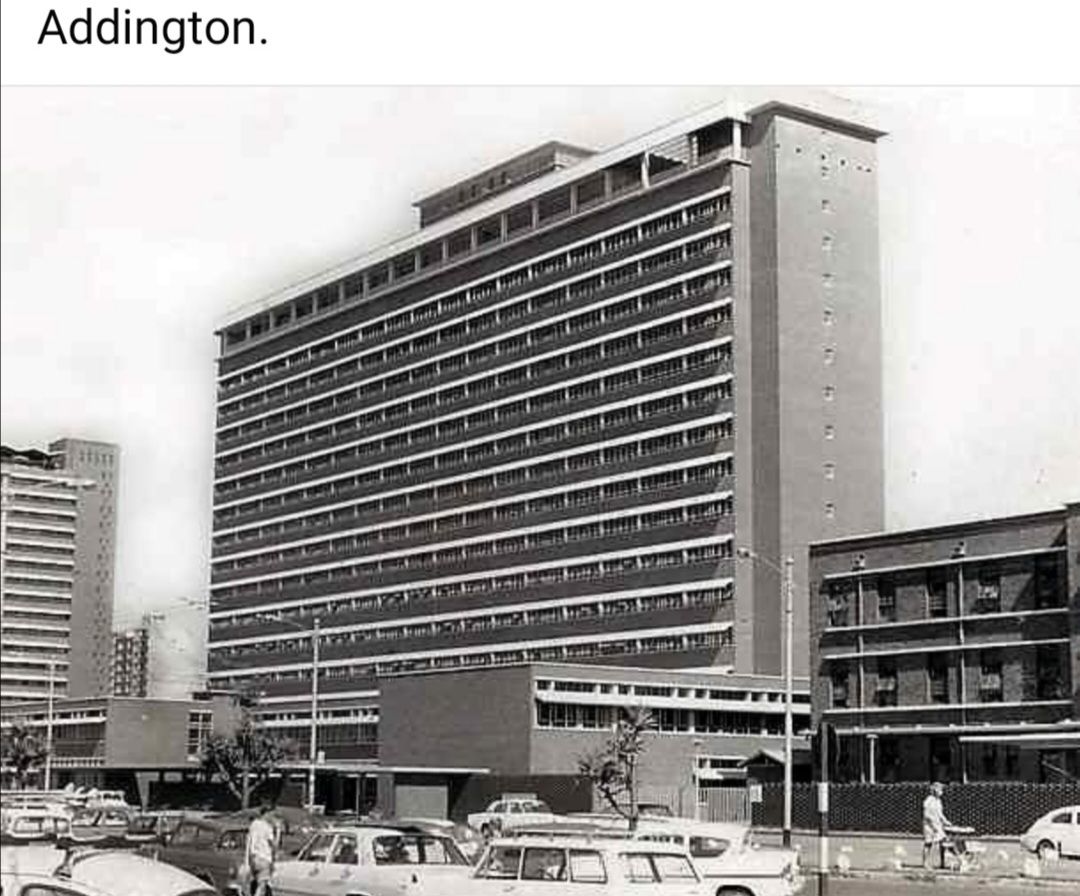
The claim aligns with documented patterns of medication supply challenges in KwaZulu-Natal public facilities, including historical problems at Addington Hospital and ongoing provincial issues affecting chronic patients, though no widely reported recent confirmation specifically naming Tafta residents in this exact scenario was found in available sources.
Tafta (The Association for the Aged) operates multiple residential facilities for older people in the greater Durban area. One key home, John Conradie House on Prince Street, sits one block from the beachfront and within easy walking distance of Addington Hospital. Many residents are state pensioners on limited incomes who depend on public-sector chronic medication supplies for conditions such as hypertension, diabetes, heart disease, and other long-term illnesses. Facilities like this typically coordinate or support residents’ access to hospital or clinic pharmacies.
Context on Addington Hospital and KZN medication shortages
Addington Hospital has faced repeated supply disruptions over the years. Older reports described periods of severe stockouts (including insulin and hundreds of other items) linked to supply-chain problems, staff suspensions, and logistical failures, sometimes forcing cancellations of elective procedures and affecting renal and other services. Patients were at times left with limited options.
More recently (2025–2026), KwaZulu-Natal health officials have publicly acknowledged intermittent medicine shortages across public facilities. They attribute these mainly to external supply-chain disruptions (suppliers lacking finished products or ingredients), rather than a complete failure to procure. Responses have included:
- Redistributing existing stock between hospitals and clinics.
- Using therapeutic alternatives where clinically appropriate (for example, combining or substituting agents for certain conditions such as epilepsy when primary stock like phenobarbital is limited).
- Monitoring via stock-visibility systems and maintaining buffer stocks where possible.
Patients and unions have reported practical impacts, including incomplete monthly supplies of chronic medicines, delays, or being turned away for specific items at facilities such as Wentworth Hospital. In some cases elsewhere in the province, patients have been directed toward private options for unavailable treatments, creating affordability barriers for those on pensions or grants. Officials have described many incidents as isolated or temporary and have encouraged reporting via departmental channels, while denying province-wide collapse of supplies. Budget pressures and accrual issues have also been flagged as risks to medicine budgets.
Implications for elderly residents
For frail or fixed-income older adults in Tafta homes (or similar settings), even short gaps in chronic medication can carry serious risks: loss of blood-pressure or glucose control, increased chance of acute events (stroke, heart failure, hyperglycaemic crises), hospital readmissions, and reduced quality of life. Issuing a script for private purchase shifts cost onto the patient. State pensioners often cannot absorb these expenses without cutting other essentials, and facilities themselves typically lack budgets to cover private pharmacy purchases routinely.
Broader South African and international patterns show that medicine shortages disproportionately affect chronic care for older people. Mitigation commonly involves therapeutic interchange, stock sharing, and temporary private bridging—but these only work when alternatives are clinically suitable, affordable, and accessible. Communication gaps between hospital pharmacies, clinics, and residential facilities can worsen the experience for residents who may have limited mobility or support.
Current status and practical considerations
No detailed public statement from Tafta, Addington Hospital, or the KZN Department of Health confirming or fully rebutting this specific set of resident complaints appears in recent major coverage. Similar concerns have surfaced periodically at other KZN facilities. Residents or advocates typically raise issues through the hospital’s pharmacy or patient liaison channels, the provincial health department’s reported contact points (including phone/WhatsApp lines previously publicised for stock queries), or local media and civil-society organisations.
If the situation is ongoing, useful steps for affected individuals or families include documenting specific missing medicines and dates, requesting written confirmation of stock status or alternative regimens, checking whether a neighbouring public facility has stock, and exploring any temporary assistance programmes or NGO support that Tafta or partner organisations may facilitate. Clinicians can sometimes adjust regimens or issue bridging scripts while public supply is restored.
Medicine availability in the public sector remains subject to national and provincial contracting, manufacturing/import constraints, and facility-level logistics. Continuous monitoring and transparent communication help reduce the burden on vulnerable older patients who rely on these systems for daily treatment.