

With partial historical successes but ongoing restrictions and protests as of the latest available reports; a related 2025 recognition as small-scale fishers with free permits represented progress on rights and selling catch, though pier-specific access gains remain limited.
Background and Long-Running Dispute
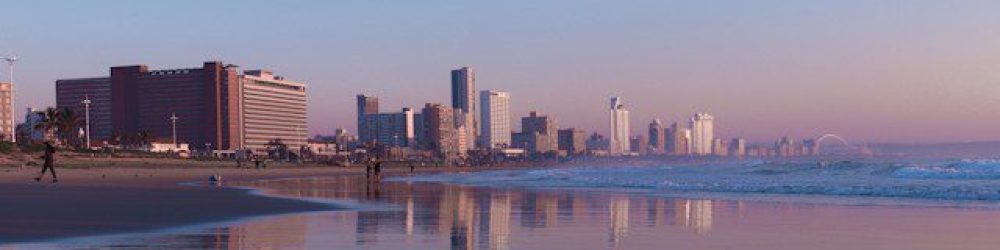
Subsistence/pier fishing has cultural and livelihood importance for many poorer coastal communities in KZN. Piers function as a “poor man’s boat,” allowing casting into deeper water beyond the backline for a wider variety of fish than shore casting alone. Access restrictions intensified around renovations and security measures linked to the 2010 FIFA World Cup (starting ~2009), with fishers reporting they were never fully restored to most beachfront piers afterward. Security presence at night, by-law enforcement, and prioritization of tourism/recreation have been cited as barriers.
Municipality positions have referenced by-law issues (littering, public drinking, drug use, sleeping on piers, fires, conflicts with surfers/bathers including alleged assaults with equipment) and non-compliance with environmental rules (invalid licences, undersized fish, bag limits). Fishers and groups such as the South Durban Community Environmental Alliance (SDCEA/SDEA) and KZN Subsistence Fisherfolk/Fishing Forum (KZNSFF) counter that the core issue is exclusion of traditional users in favour of tourism, that the majority are responsible, and that limited alternatives (notably Snake Park Pier) are inadequate—sanded at low tide, hazardous and wave-washed at high tide. They have proposed night/off-peak access (sunset to sunrise) to reduce conflict with daytime recreation.
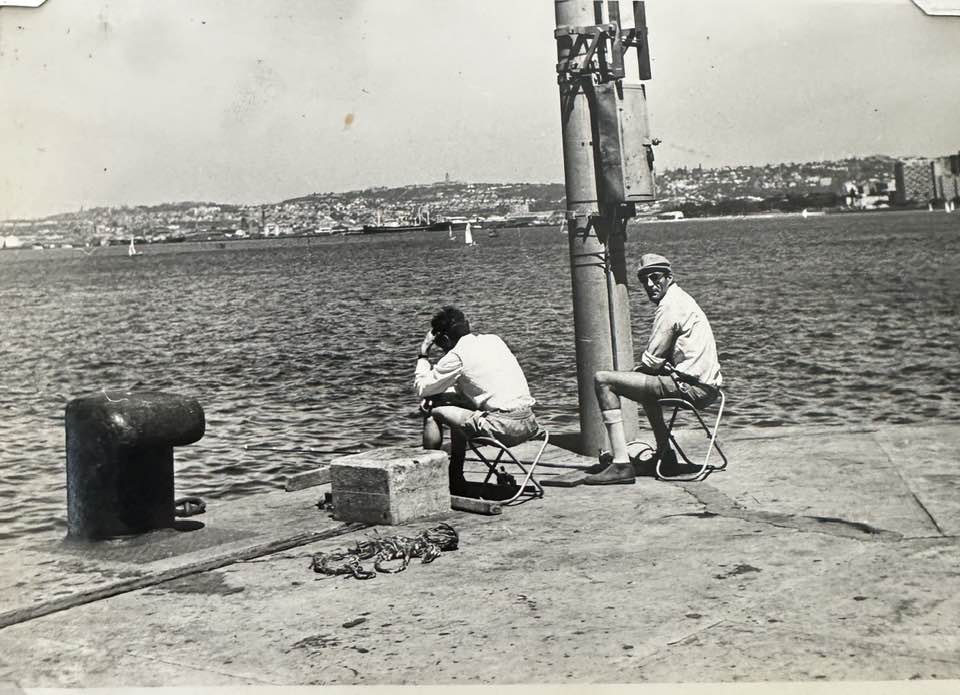
Similar earlier conflicts involved harbour piers (North and South Piers under Transnet National Ports Authority). After petitions, protests, and legal action, a Ports Regulator recognition of subsistence fishers as port users and related pressure led to South Pier reopening with permits around 2013 (after a multi-year ban). North Pier and some other spots saw more limited or delayed progress.
Recent Campaign Activity (2024–2025)
In April–May 2024, KZNSFF and SDCEA organised a march (~100 participants and families) from the Suncoast promenade area to the Durban Amphitheatre/City Hall. Demands included immediate access to traditional piers, an end to harassment by security/police, and inclusion in decision-making. A memorandum was handed over (including to a Department of Forestry, Fisheries and the Environment representative for escalation). Coverage noted only limited accredited spots (e.g., between Snake Park and Blue Lagoon) and ongoing arrests/fines over the years.
A Durban Bay Environmental Monitoring Committee was referenced as looking into grievances. Further actions included multi-location beach pickets (reported mid-2025) demanding recognition of rights, access to closed beach zones, and prior consultation on policies/developments that privatise or restrict coastal space.
Progress on Permits and Recognition (January 2025)
A clearer recent positive development was the issuing of free fishing permits recognising KZN subsistence fishers as small-scale fishers. This allowed them to sell their catch (previously restricted under recreational permits), trade, and harvest additional species, and was described as enabling fishing in some areas previously denied. KZNSFF members publicly welcomed it as a hard-won step after long struggles for formal recognition and livelihood support. Beachfront pier access challenges were still noted in the same reporting.
Current Status and Broader Context
As of available 2025 reporting, full restoration of multiple beachfront piers does not appear to have been confirmed as a completed “win.” Protests and demands for access continued, framed around food security, livelihoods, heritage, and equitable use of public coastal space versus tourism, safety, and by-law enforcement. Broader South African small-scale fisheries issues (policy implementation gaps, commercial bias, criminalisation risks, harbour/facility access) form the national backdrop; Durban’s case is one long-running local expression involving municipal, provincial, and national (DFFE) roles.
Piers themselves remain open for general/tourist use with enhanced security measures at times (e.g., festive seasons), reflecting tourism priorities. Fishers have emphasised self-organisation (e.g., providing bins/cutting boards, education, environmental efforts) and willingness to address problem behaviour without blanket exclusion.
In short, the fight has produced incremental gains—most notably the 2013 harbour pier reopening with permits and the 2025 small-scale recognition/free permits—but sustained access to a wider set of Durban beachfront piers remains contested rather than fully resolved in public reports. Local coverage from outlets such as GroundUp, Coast KZN, Southlands Sun, and others, plus statements from KZNSFF/SDCEA and eThekwini Municipality, document the positions on both sides. Developments can shift with further engagement, task teams, or policy changes.