




This aligns closely with the statement. Cabinet approved the plan, and the National Treasury is finalising a funding model. Exact costs, precise start dates for construction, and full funding sources have not been publicly detailed in the initial announcements, though related earlier discussions referenced multi-billion-rand estimates for borderline work and a separate large public-private partnership (PPP) for major ports of entry.
Context and Drivers
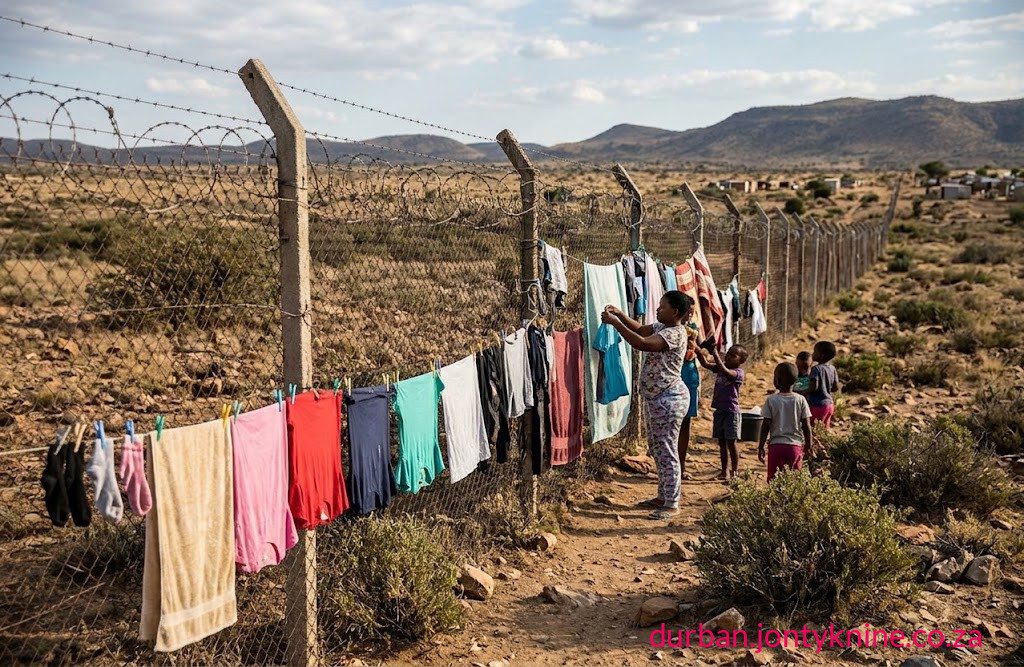
South Africa shares approximately 4,471 km of land border with six neighbours (Botswana, Eswatini, Lesotho, Mozambique, Namibia, and Zimbabwe), spanning varied and often challenging terrain across seven border provinces. Officials have stated that over time, fencing has deteriorated significantly—large sections damaged, vandalised, or absent—while critical access roads have fallen into poor condition. This has limited patrol mobility, slowed response times, increased strain on personnel and equipment, and created gaps exploited for illegal entries, smuggling of goods/people, and other transnational crime.
The announcement forms part of President Cyril Ramaphosa’s five-point migration management plan (announced in June 2026). It responds to heightened public pressure, including months of protests that peaked in nationwide marches around 30 June 2026. Demonstrators raised concerns about undocumented migration’s links to unemployment, crime, and pressure on services; some incidents involved threats and violence that prompted foreign nationals to leave homes or seek repatriation. The government has emphasised lawful state enforcement while condemning vigilantism.
Recent operational figures cited by authorities include more than 4,200 undocumented foreign nationals intercepted outside formal ports of entry between April and July 2026 (concentrated along the northern corridor with Zimbabwe, then Lesotho and Mozambique areas), alongside roughly 86,000–90,000 processed for deportation/repatriation in a recent window (with Malawians, Zimbabweans, and Mozambicans prominent). Joint operations, technology deployment, and enforcement blitzes form part of the wider push.
Scope of the Plan and Complementary Measures
The Borderline Infrastructure Improvement Plan targets fencing repairs/upgrades and access roads to enhance border security, patrol mobility, operational response times, personnel safety, infrastructure maintenance, and intergovernmental coordination, while deterring illegal incursions. Implementation is planned across the seven border provinces. Defence and Military Veterans Minister Angie Motshekga has been designated a ministerial champion for urgent borderline infrastructure improvement, with involvement from military engineering and works formations alongside the Department of Public Works and Infrastructure. Supporting tools include high-resolution imagery for monitoring vegetation clearance, illegal roads, and informal settlements near borders.
This is distinct from (but complementary to) a separate R12.5 billion PPP programme to redevelop six major land ports of entry that handle the bulk of formal trade and passenger traffic: Beitbridge (Zimbabwe), Ficksburg and Maseru Bridge (Lesotho), Kopfontein (Botswana), Lebombo (Mozambique), and Oshoek (Eswatini). That programme is advancing toward financial close, with construction expected to begin later or in 2027 and phased operations into the late 2020s/early 2030s. It emphasises “smart border” features such as dedicated lanes, non-stop freight movement for trusted traders, and modernised processing.
Technology and operational reinforcements include:
- Border Management Authority drones (five already operating at key points such as Lebombo, Maseru, Oshoek, Beitbridge, and in KwaZulu-Natal; nine more being procured).
- Body-worn cameras (around 40 deployed initially) for oversight and anti-corruption.
- Systems such as Electronic Traveller Authorisation and an upgraded Enhanced Movement Control System (launched at OR Tambo), plus scanners at major ports and a Customs Online Traveller Declaration system.
- Increased joint law-enforcement operations, labour inspections targeting non-compliant employment of undocumented workers, and efforts on documentation integrity (e.g., traffic register numbers).
Implications, Challenges, and Nuances
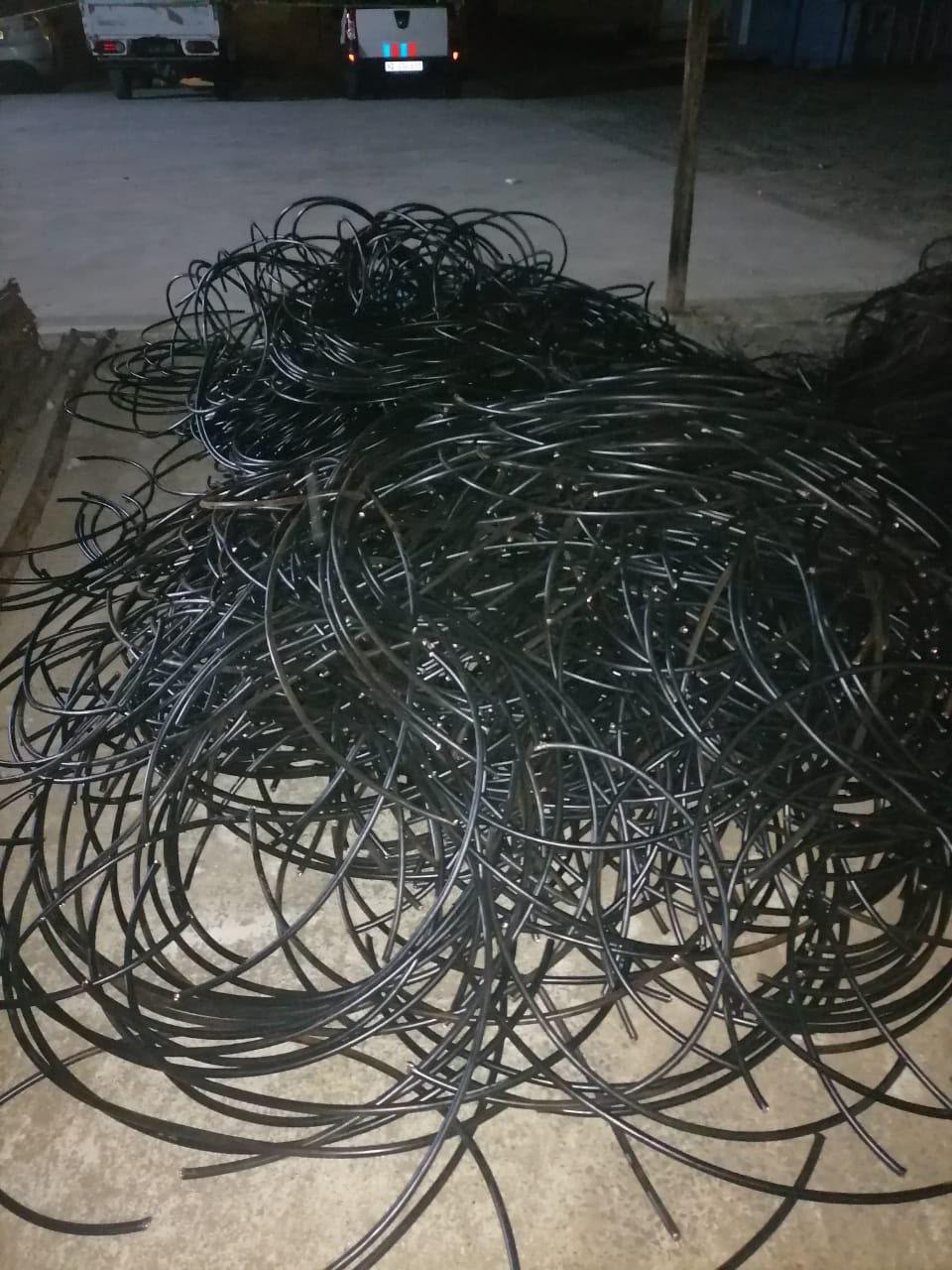
Security and operational effects: Restored fencing and better roads should improve physical impedance and agent mobility in high-traffic or vulnerable segments, making detection and interdiction more feasible between ports of entry. Combined with drones, sensors, and coordination, this aims at more persistent coverage. Historical underinvestment and past issues (including corruption allegations around earlier border projects) mean sustained maintenance will be critical; vandalism and theft of materials have been recurring problems in some areas.
Economic and trade dimensions: Formal ports of entry upgrades support legitimate commerce and regional integration under frameworks such as SADC, while tighter interdiction of informal routes may disrupt smuggling networks (vehicles, goods, narcotics, wildlife products, etc.). However, highly porous borders have long facilitated informal cross-border livelihoods and family/economic ties in Southern Africa; abrupt hardening without complementary regional management risks displacing flows or increasing risks for those who still attempt irregular movement.
Social and political angles: The measures respond to domestic political pressures and public anxiety. Civil society and migration researchers have noted a global trend of tighter controls alongside risks of scapegoating and rights concerns; South Africa has historically framed aspects of its approach in continental/rights-based terms, and regional dialogue (including a proposed SADC migration dialogue) continues. Neighbouring countries face their own economic and political dynamics that influence outward migration. Enforcement focus has included labour inspections and business compliance, alongside plans related to reserving certain activities for citizens.
Implementation risks and edge cases: Funding finalisation and multi-year delivery across remote, rugged, or riverine stretches present logistical hurdles. Terrain varies widely (rivers, mountains, arid zones), so uniform fencing is impractical—prioritisation of high-risk corridors is likely. Corruption vulnerabilities, contractor capacity, community relations (including with border farmers or local residents), environmental considerations, and coordination among multiple agencies (BMA, SAPS, SANDF, Home Affairs, etc.) will influence outcomes. Past temporary measures and military deployments (e.g., Operation Corona) provide some institutional experience but have not fully resolved porosity.
Comparative notes: Physical barriers and “smart” combinations of fencing, roads, lighting, cameras, and sensors appear in many contexts (U.S. southern border projects, Finland’s completed sections along its Russian border, various European and Middle Eastern examples). Effectiveness depends heavily on complementary personnel, technology, legal processing capacity, and addressing root drivers of migration and crime. Purely physical upgrades without sustained operational presence and regional cooperation often yield only partial or temporary results.
In summary, the 2026–2030 plan represents a structured, multi-year attempt to reverse infrastructure decay along South Africa’s long land borders and integrate it with technology, ports modernisation, and enforcement under the five-point migration strategy. Outcomes will hinge on timely funding, execution quality, maintenance, and how well the physical and technological investments mesh with human resources, legal systems, and regional dynamics. Further details on costing, phasing, and specific priority segments are expected as the Treasury model and implementation plans advance.