



This is a developing situation as of early October 2026, involving protests, queues of asylum seekers, police intervention, and broader debates over immigration policy, a recent Constitutional Court ruling, and long-running local frictions.
What happened in early October 2026
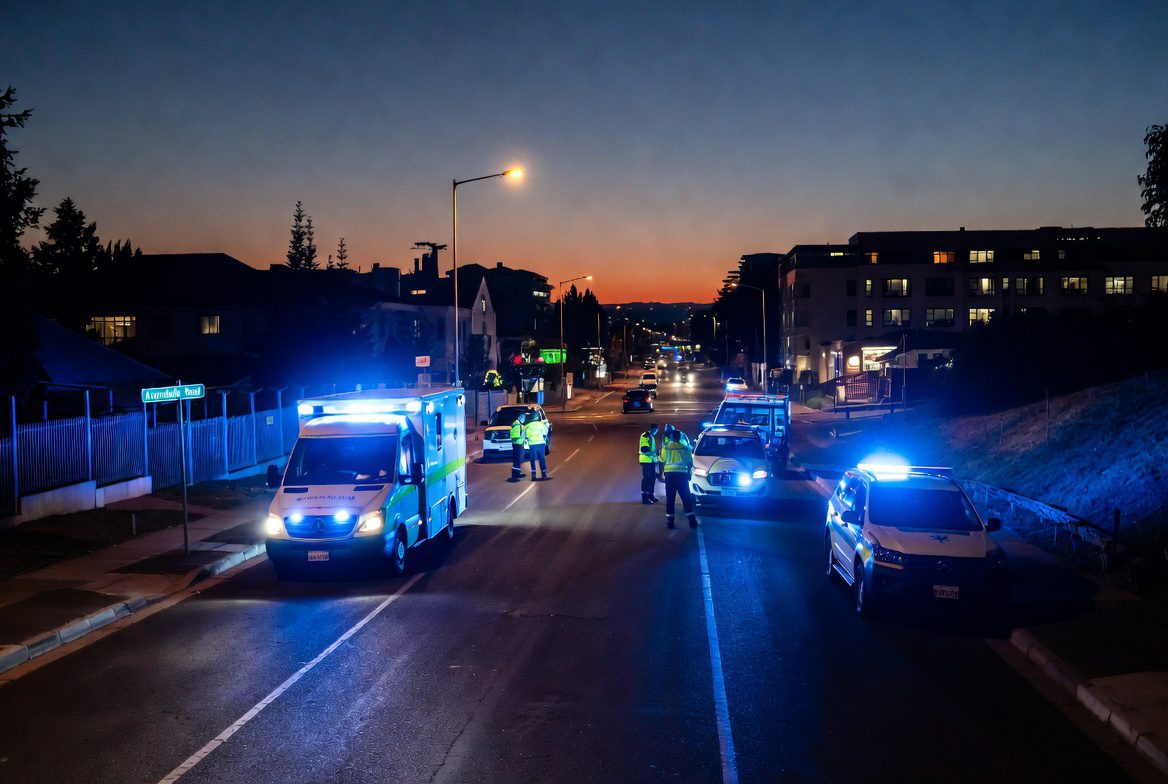
On 6 October 2026 (Tuesday), members of March and March entered or gathered at the Durban Home Affairs facility, disrupted asylum application processing, called on police to search foreign nationals present, and demanded a halt to handling asylum claims while pushing for stricter enforcement and removals. Police (SAPS and Durban Metro Police) responded to manage the standoff between activists, staff, and applicants.
Reports also describe stick- or knobkerrie-wielding vigilantes (some masked) harassing people in queues that day. They shoved asylum seekers, shouted insults including the xenophobic term “kwerekwere,” and told people to leave South Africa. Police moved the group out of the parking area; one smaller group of about 15 was not formally organised by March and March (per its reported leader), though March and March figures later appeared at the scene.
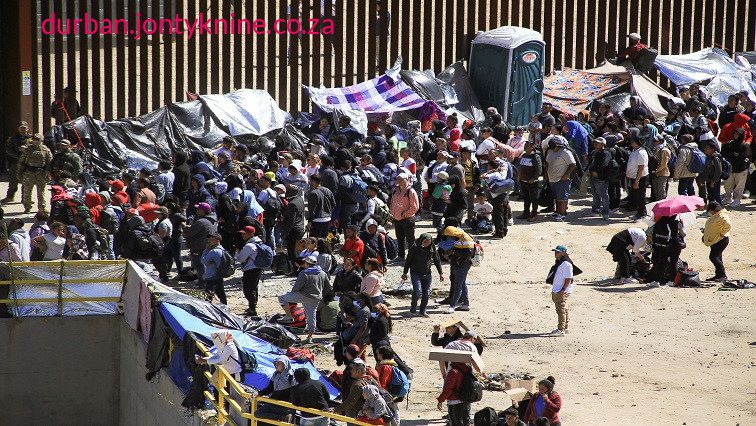
On 7 October 2026 (Wednesday), tensions remained high. Hundreds (reports vary, with some describing thousands of asylum seekers overall) of foreign nationals—primarily from Ethiopia, Somalia, Bangladesh, Pakistan, and earlier groups linked to the DRC, Burundi, and Rwanda—queued to apply for asylum. Protesters, including March and March leader Jacinta Ngobese-Zuma, blocked the entrance, declared that “no foreigners will enter,” and demanded that processing stop. Police formed barriers with shields; the road was closed at points; asylum seekers were dispersed or escorted away; and operations were effectively disrupted again. Some reports noted protesters carrying sjamboks, knobkerries, and sticks, with insults directed at migrants and, in places, police.
Ngobese-Zuma argued that Home Affairs should clear its backlog and distinguish “real refugees” from economic migrants who (in her view) come to open tuckshops or spaza shops, abuse the system, and that the Constitutional Court decision should be challenged or reconsidered. She and others (including SA First Forum’s Xolani Zuma) framed the issue as government resources being diverted from South Africans amid high unemployment and service delivery problems, while calling for prioritisation of South African citizens.
Political analyst Zweli Ndevu noted the constitutional right to protest but stressed that it cannot infringe on others’ rights to access services, and that the state has a duty to protect vulnerable people complying with the law.
Home Affairs has processed limited numbers amid the disruptions (e.g., reports of only around 20 applications completed on one day despite long queues starting from early morning or overnight).
Background and context
This is not an isolated incident. The Durban Refugee Reception Centre and surrounding pavements have been a flashpoint for months:
- Hundreds of refugees and asylum seekers (many documented, per earlier Home Affairs verification) had been living in a makeshift camp outside the centre for months after displacement from communities amid rising anti-immigration sentiment. March and March set a 30 June 2026 “deadline” for undocumented foreign nationals to leave; protests and confrontations followed, including a violent “clean-up” operation around 3 September in which stones were thrown, belongings disturbed or piled up, police used crowd-control measures, and injuries occurred (reports of several hospitalised).
- Earlier clashes in May 2026 and ongoing weekly actions by March and March (founded in Durban around 2024) have involved accusations of harassment, displacement of immigrants from homes/businesses, and mutual claims of violence. Civil society groups have compiled victim testimonies alleging months of targeting by March and March supporters.
- Some of the camp residents were later moved or offered transport toward the Lindela Repatriation Centre, which drew criticism from rights monitors over its reputation.
Trigger for the latest queues and protests: A Constitutional Court judgment on 7 July 2026 in Scalabrini Centre of Cape Town and Another v Minister of Home Affairs and Others (CCT 126/25) confirmed that certain provisions of the Refugees Act 130 of 1998 were unconstitutional. These had allowed exclusion or barriers based on procedural issues (e.g., entering other than via a designated port, lacking a transit visa, or failing to report to a Refugee Reception Office within five days). The Court emphasised the principle of non-refoulement (not returning people to places of persecution or serious harm without a proper merits-based assessment of their claims) and impacts on children’s rights.
Home Affairs issued an operational directive to implement the ruling, effectively reopening access so that people who present in person and indicate they wish to apply for asylum must be allowed to lodge applications (ending a long effective closure to many new applicants, partly linked to COVID-era restrictions). This does not grant automatic refugee status, citizenship, or blanket legalisation—each claim still requires individual assessment. The department has publicly condemned what it calls a disinformation campaign claiming otherwise, noting it opposed the case but is bound to implement the binding judgment, and referring related matters for further scrutiny.
Queues formed rapidly after the directive, drawing both desperate applicants (some waiting years or locked out of the system) and strong pushback from groups arguing the change invites abuse, strains resources, and undermines enforcement amid crime, unemployment, and service pressures in South Africa.
Broader implications and angles
- Security and order: Heavy police presence has been needed repeatedly to separate groups and prevent escalation. Reports of weapons (sticks, sjamboks), insults, shoving, and prior stone-throwing raise risks of further violence.
- Rights and law: Asylum seekers complying with processes have legal protections; protests are constitutional but limited when they block access. The ruling prioritises non-refoulement and fair process over pure procedural bars.
- Socio-economic drivers: High youth unemployment, competition for jobs/housing/services, perceptions of crime linked to undocumented migration, and frustration with Home Affairs backlogs fuel local activism. March and March positions itself as defending South African interests and rule of law while claiming support for legal residents.
- Policy and politics: The episode highlights tensions between constitutional/international obligations, practical enforcement capacity, and domestic political pressures (with local elections context noted in some coverage). Home Affairs has pursued other enforcement tools (e.g., deportation buses). Similar queues and debates have appeared elsewhere (e.g., Gqeberha).
- Human impact: Asylum seekers describe long waits, family separation, income loss while queuing, and fear; displaced people earlier faced street living. Rights groups monitor for xenophobia and violations; anti-immigration voices emphasise community safety and prioritising citizens.
- Edge cases/nuances: Not all foreign nationals involved are undocumented or economic migrants—earlier verifications found most at the camp were documented. Distinguishing genuine refugees from others is contested and resource-intensive. Violence has cut both ways in past clashes, with mutual accusations. Disinformation around the court ruling has complicated public understanding.
The situation remains fluid, with ongoing monitoring by media, police, and officials. It reflects deeper, longstanding challenges in South Africa’s migration management, urban pressures in places like Durban, and the difficulty of balancing rights, enforcement, and social cohesion. For the latest developments, local South African news sources (SABC, IOL, GroundUp, etc.) provide ongoing coverage.