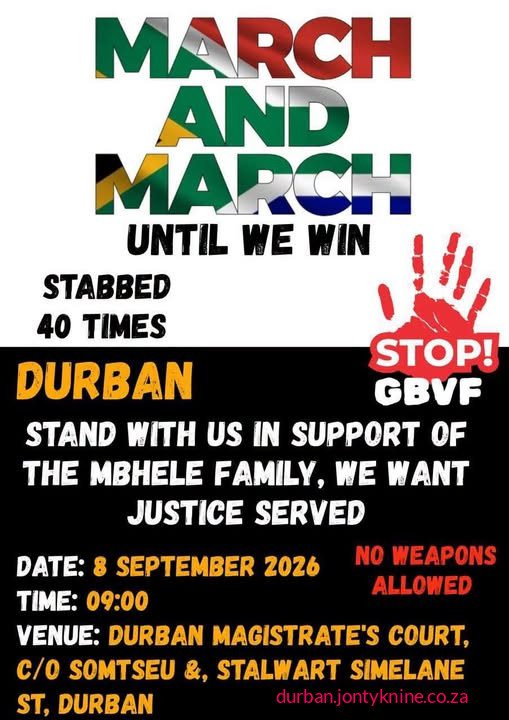




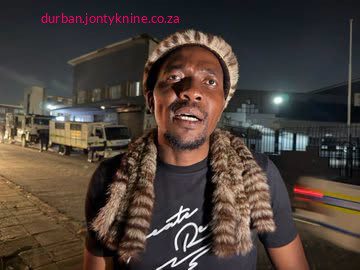
Jacinta Ngobese-Zuma (a radio presenter and leader of the March and March movement) posted on X on the evening of 10 October 2026 that Nsibande was in hospital and “badly injured by a stunt grenade that was detonated directly to him, hurting his private parts.” The claim has been widely shared and amplified by supporters, who describe it as excessive force against a protester advocating for stricter immigration enforcement and prioritisation of South African citizens. Some posts also reference his earlier arrest alongside another figure (referred to as Magolide) during the unrest.
Context of the Durban protests
The broader unrest in Durban (and related activity in places such as Soweto) in early-to-mid October 2026 involved marches and confrontations linked to opposition to undocumented foreign nationals, refugee reception processes, and related Home Affairs policies. Police reported deploying public-order measures—including stun grenades, teargas, and rubber bullets—when situations escalated, with at least 19 arrests by 10–11 October for public violence, malicious damage to property, and related offences. Two houses were reportedly burnt in Umbilo, shops damaged or looted, and the KwaZulu-Natal premier called for army support as violence spread.
Nsibande had been visible in earlier actions associated with March and March, including confrontations at Home Affairs offices and night vigils near refugee-related sites. Separate reporting around 9 October noted circulating videos of him confronting people perceived as foreign nationals, with some outlets suggesting he should be a person of interest in investigations into instigation of violence.
What is confirmed vs. what is alleged
- Confirmed elements: Nsibande has been publicly active in the protests. Police have used stun grenades as a crowd-control tool in Durban during periods of tension (both in these recent events and in earlier unrelated incidents such as migrant gatherings at Sherwood). Arrests of protesters, including figures linked to the marches, have been reported.
- Unverified elements: Independent confirmation of the specific injury mechanism (a stun grenade fired or detonated directly at the groin), the severity requiring urgent hospital care, the exact circumstances, or any official medical/police account of the incident. No major news organisations (e.g., eNCA, SABC, News24, or TimesLIVE) appear to have independently reported the hospitalisation or injury details in the available coverage of the protests. Claims of “heavy-handed force” and demands for accountability are coming from supporters and the legal/political circle around March and March.
Stun grenades (also called flashbangs) are designed to disorient through intense light, sound, and pressure rather than as directed projectiles, but close-range or improper use can cause significant blast injuries, burns, or trauma—including to sensitive areas. South African public-order policing doctrine emphasises minimum force, yet complaints about excessive or poorly directed use of less-lethal munitions have arisen in past protest situations.
Broader implications and competing perspectives
Supporters frame the alleged incident as evidence of disproportionate force against citizens raising legitimate concerns about immigration, service strain, crime, and border control—issues that have driven significant public frustration in KwaZulu-Natal and elsewhere. They demand accountability, investigations, and in some cases civil claims against the state.
Critics of the protests (including anti-xenophobia groups and some official statements) point to documented violence, arson, looting, and intimidation of foreign nationals during the unrest, arguing that police action was necessary to restore order and protect lives and property. Videos and reports of confrontations have fuelled calls for investigation of alleged instigators on the protest side as well.
As of the current time, the injury claim remains a social-media-driven allegation pending independent verification, medical confirmation, or an official SAPS response. Police have issued updates on arrests and crowd management but have not specifically addressed this individual’s condition in public statements reviewed. Further developments—hospital records, police incident reports, or independent journalism—would be needed to establish the precise facts.