


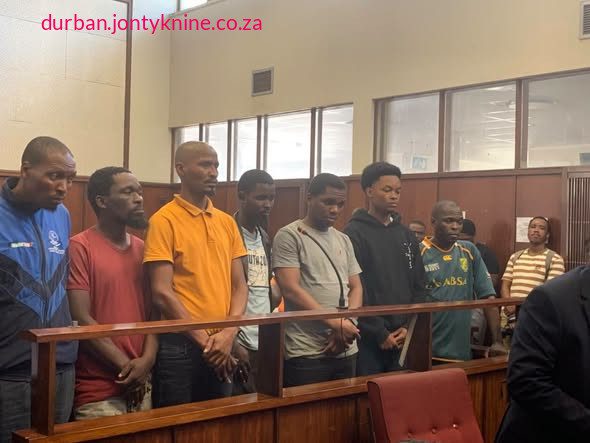
The arrests arose from a wave of anti-immigration demonstrations organized primarily by the March and March Movement in early-to-mid October 2026. These protests targeted the presence of undocumented or illegal immigrants and related issues around asylum processing at Home Affairs Refugee Reception Centres. Tensions escalated after a Constitutional Court-related directive on asylum applications (later withdrawn amid controversy), leading to confrontations outside Home Affairs offices, harassment of asylum seekers, and broader unrest.
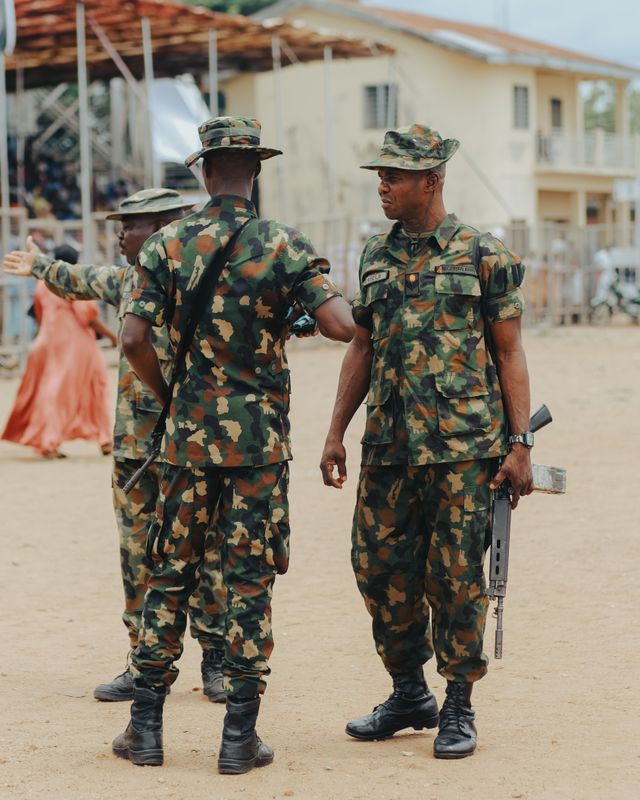
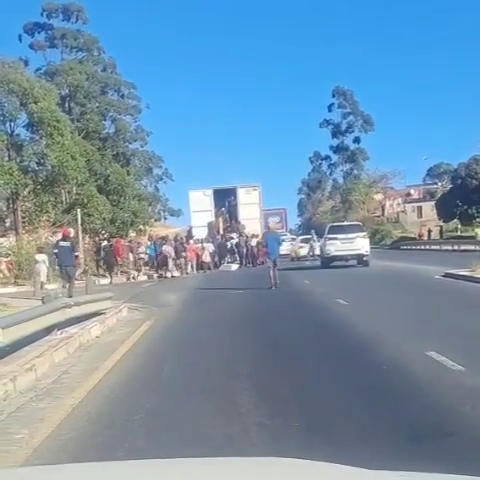
What began as demonstrations quickly involved widespread looting, attacks on or targeting of foreign-owned shops and businesses, clashes, and the torching of approximately 15 vehicles, along with damage to other property (including reports of houses and a lodge or warehouse affected in some accounts). Police made multiple arrests over the period (reports mentioned totals around 19–30 in the initial days across related incidents in KZN and elsewhere), using measures such as rubber bullets in some confrontations. The South African National Defence Force was also deployed in response to the volatility.
The state initially opposed bail for these suspects, citing the scale of damage and public safety risks. The defence successfully argued for release, resulting in the nominal R500 bail amount for the remaining accused still in custody at that stage. One 24-year-old Durban University of Technology accounting student (a co-accused) had earlier been released on a warning to avoid disrupting final-year exams. The broader case was postponed for further investigation.
Related court outcomes for organizers
Separately, key figures associated with the March and March Movement faced their own proceedings:
- Sphelele “Magolide” Shinga and Malizo Dzanibe were earlier granted R1,000 bail each (around 12–13 October), with conditions prohibiting participation in violent protests or approaching within 500 metres of Home Affairs offices for intimidation purposes.
- Wandile “Method” Nsibande (a prominent figure and parolee with a prior kidnapping/robbery-related conviction) was granted R1,000 bail on 16 October despite state opposition on public safety, prior conviction, and alleged parole issues. He was reportedly re-arrested shortly afterward by correctional services over an alleged parole violation.
Earlier court appearances involved around 24 people on related charges. Bail conditions for organizers generally barred further violent protest activity or intimidation of foreign nationals and officials.
Broader background and implications
These events form part of ongoing tensions in South Africa around immigration, undocumented migrants, competition for jobs/services/housing, crime perceptions, and asylum processes. Groups like March and March have organized sustained campaigns (including earlier marches and a 30 June 2026 deadline narrative for undocumented foreigners to leave), sometimes peaceful and sometimes linked to violence or intimidation according to reports and victim accounts. Critics describe elements as xenophobic or Afrophobic vigilantism; supporters frame them as responses to failed border control, strained public resources, and prioritization of locals.
The low bail amounts (R500 is a modest sum) reflect factors such as the accused’s profiles (many young/students without extensive prior records in these cases), the court’s assessment of flight risk or interference likelihood, and practical considerations in high-volume public violence dockets. However, such outcomes often spark debate about accountability, deterrence for property destruction and violence, versus the right to protest and the risks of over-detention of first-time or peripheral participants. Cases remain under investigation, with further court dates scheduled, and security presence noted around proceedings.