






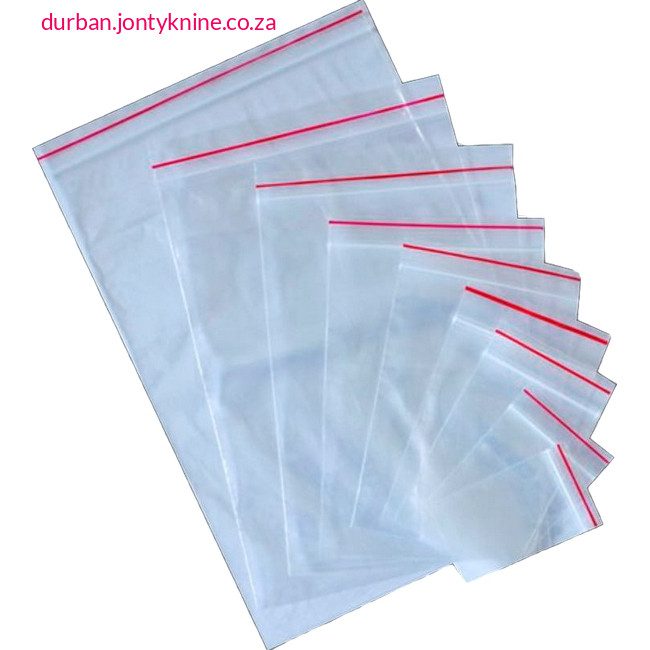
In April 2025, Linda Cheslow filed a putative class action (Cheslow v. S.C. Johnson & Son, Inc., No. 3:25-cv-03655) in the U.S. District Court for the Northern District of California. It targeted Ziploc bags and containers marketed as “Microwave Safe” and/or suitable for freezer use. The core claims were that these products, made primarily from polyethylene and polypropylene, release microplastics and nanoplastics into food when microwaved or frozen as directed for ordinary use, and that S.C. Johnson failed to warn consumers of this (a “material omission”).
The complaint cited general scientific literature, particularly a 2023 study in Environmental Science & Technology (Hussain et al.), which found that certain plastic containers and a polyethylene food pouch could release high numbers of particles under heat or long-term storage. One frequently quoted figure was up to about 4.22 million microplastic particles and 2.11 billion nanoplastic particles per square centimeter after three minutes of microwave heating for some tested items. The suit argued freezing can make plastics more brittle and exacerbate shedding, and that combining freezing with later reheating amplifies the issue. It sought class certification, damages, restitution, and other relief under California consumer protection laws.
S.C. Johnson responded that the claims lacked merit, that Ziploc products are safe when used as directed, and that they meet FDA requirements for intended uses (defrosting, reheating, storage). The company noted the lawsuit presented no data specifically demonstrating that Ziploc products shed microplastics.
The case did not proceed far. In August 2025 the plaintiff filed a stipulation of dismissal, and the court terminated it (with prejudice as to that plaintiff). A parallel Canadian class action in Quebec was also withdrawn later in 2025 after the plaintiff side concluded the supporting materials did not substantiate the allegations and noted the company’s safety measures.
A similar suit was filed around the same time against Rubbermaid (Newell Brands) over comparable “microwave-safe”/“freezer-safe” claims.
The Underlying Science
Plastic food-contact materials can release microscopic and nanoscopic particles under certain conditions. The 2023 Hussain study (University of Nebraska–Lincoln) tested polypropylene baby-food containers and a polyethylene pouch with water and dilute acetic acid as food simulants. Microwave heating produced the highest release rates among the conditions examined; refrigeration and room-temperature storage over months also released particles (though typically fewer). Polyethylene items tended to shed more in some storage scenarios than the polypropylene ones. An accompanying in-vitro test showed high concentrations of the extracted particles reduced viability of cultured kidney cells.
Important caveats:
- The study did not test Ziploc-brand bags or containers. The polyethylene pouch was not microwaved because researchers judged it unsuitable for that use.
- Release numbers vary widely by polymer type, formulation, thickness, surface area, temperature, food chemistry (acidity, fat content), mechanical stress, and reuse cycles.
- Freezing can increase brittleness and potential shedding in principle, but quantitative data specific to freezer bags under real household freeze–thaw cycles are limited.
- Everyday handling (flexing, opening/closing zippers) also generates some particles even without temperature extremes.
The U.S. FDA’s position (as stated on its microplastics webpage) is that current scientific evidence does not demonstrate that levels of microplastics or nanoplastics detected in foods pose a risk to human health. The agency notes insufficient evidence that microplastics from plastic food packaging migrate into foods/beverages at levels of concern, and it emphasizes the lack of standardized methods for detection, quantification, and characterization. FDA continues to monitor the research and regulates food-contact substances for safety under intended conditions of use.
Broader research shows microplastics are ubiquitous (air, water, food, human tissues). Potential health concerns under investigation include inflammation, oxidative stress, and other effects, but causal links, dose-response relationships, and real-world risk levels from food packaging remain areas of active study rather than settled science. Many exposures come from environmental sources rather than solely packaging.
Practical Context and Trade-offs
Ziploc and similar polyethylene bags are widely used because they are inexpensive, effective barriers against freezer burn and contamination, and convenient. “Microwave safe” labeling for many of these products typically means they are intended for defrosting or reheating (often with venting instructions), not high-temperature cooking. Company statements and regulatory clearance focus on traditional migration of additives/monomers under intended use, not particle shedding counts of the type measured in recent research.
If reducing potential particle exposure is a priority:
- Prefer glass, ceramic, or stainless steel for heating/reheating.
- For freezing, glass containers or silicone bags can be alternatives (though glass has breakage risk and silicone has its own material considerations).
- Minimize repeated heating of any plastic in contact with food, especially fatty or acidic items.
- Transfer food out of plastic before microwaving when practical.
Complete avoidance of microplastics is currently unrealistic given environmental ubiquity. The 2025 lawsuits highlight growing consumer and legal attention to particle release, but the rapid dismissal of the Ziploc case illustrates the gap between general research findings and product-specific proof of deception or harm sufficient for liability.
In short, the statement reflects a real 2025 lawsuit that raised legitimate questions about labeling and emerging research on particle release. However, the case was dropped without adjudication on the merits, no court required warnings or redesigns, and regulators have not determined that typical use of these products creates an established health risk from microplastics. The science continues to evolve.