


- Performance breakdown (per Department of Water and Sanitation assessment): 3 municipalities rated critical, 4 poor, 6 average, and only 1 rated good.
- Non-revenue water (NRW) — water produced but lost (leaks, bursts, illegal connections, free supply to indigents without accurate registers) — averages around 60% province-wide. Examples:
- uMkhanyakude: 97% NRW (2023/24).
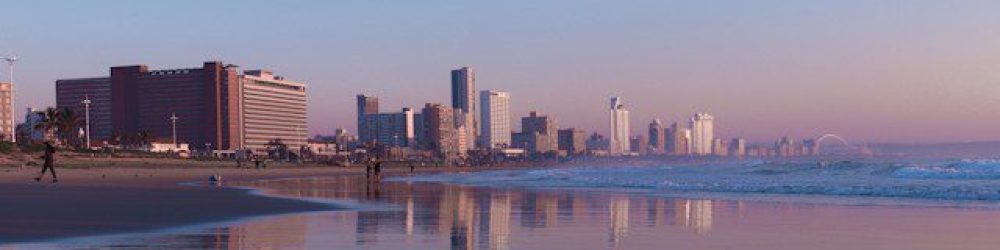
- eThekwini (Durban metro): ~53% NRW, costing ~R1.8 billion per year.
- Access gaps: Province-wide average lack of piped water access is ~16%. uMkhanyakude has 41% without piped water, vs. only 3% in eThekwini.
- Water protests are a major issue: Of 164 service delivery protests in KZN (Jan 2025–Feb 2026), many were water-related, with eThekwini a hotspot.
KZN Premier Thamsanqa Ntuli described it as a “water emergency,” citing high water losses, fiscal pressures, skills shortages, and a lack of consequence management for poor performance.
Root Causes
Common factors across South Africa, but acute in KZN:
- Ageing and poorly maintained infrastructure — leading to massive leaks.
- Vandalism, theft, and illegal connections.
- Population growth and urbanisation outpacing supply.
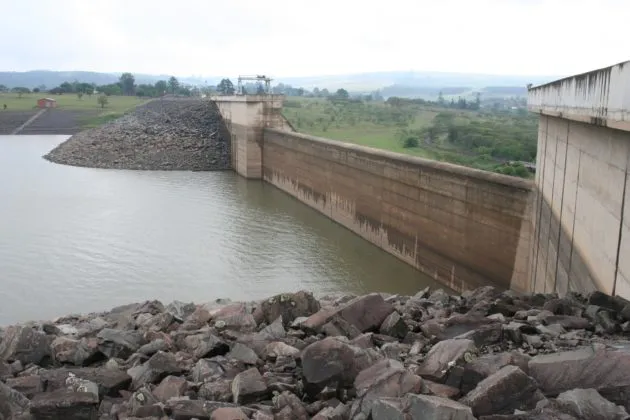
- Climate variability — despite KZN receiving significant rainfall (dams often ~90% full), distribution fails.
- Poor governance and financial management — high municipal debt, irregular expenditure, and failure to collect revenue or maintain systems.
KZN gets plenty of rain nationally but still has widespread thirst due to these systemic issues.
Government Response and Investments
- R10 billion over two years allocated to the 14 municipalities specifically for water.
- Projected R55 billion over five years for water and sanitation infrastructure (grants + bulk projects).
- Five-year reliability plans and water/sanitation master plans are being developed.
- Emphasis on partnerships across government, private sector, traditional leaders, and communities.
- Calls for better maintenance, consequence management, and protecting water resources.
Broader Context
This fits South Africa’s wider water challenges: economic scarcity (poor management/investment) more than pure physical scarcity in many areas, compounded by pollution, infrastructure backlogs, and climate extremes. Rural districts often fare worse than metros.
The one better-performing WSA isn’t publicly named in reports, but eThekwini shows relatively better (though still poor) piped access despite massive losses.
Bottom line: While dams aren’t empty and major investments are planned, the crisis stems primarily from governance, maintenance, and accountability failures at the municipal level. Without fixing NRW, enforcing performance, and upgrading infrastructure effectively, residents — especially in rural areas — will continue facing unreliable and unsafe water. The upcoming actions from the summit and investments will be critical to watch.