

The vote will elect a president, an expanded National Assembly, and local government representatives, with roughly 8.7–8.8 million registered voters (a majority of them women) expected to participate.
Key Contenders and Political Landscape
Incumbent Hakainde Hichilema (often called “HH”), 64, of the United Party for National Development (UPND) and its broader alliance, is seeking a second term after winning in a 2021 landslide that marked a rare peaceful transfer of power from the then-ruling Patriotic Front (PF). His running mate is Mutale Nalumango. Hichilema inherited a sovereign debt default and has focused on macroeconomic stabilisation.
His main challenger is Brian Mundubile, a 55-year-old lawyer, former minister, and MP, representing the National Reconciliation Party for Unity and Prosperity (NRPUP) under the Tonse-Pamodzi Alliance (a coalition drawing on remnants of the PF and other opposition groups). His running mate is Makebi Zulu, closely linked to the family of the late former president Edgar Lungu. Mundubile emerged relatively late as the opposition coalesced around him after internal splits and Lungu’s death.
Fourteen candidates are on the presidential ballot, but analysts describe it as largely a two-horse race. Other notable figures include Harry Kalaba (Citizens First/Orange Alliance) and Fred M’membe (Socialist Party). The opposition vote is fragmented, which could favour Hichilema’s path to a first-round win (requiring more than 50% of valid votes; otherwise a runoff). Parliament has expanded significantly (directly elected seats rising from 156 to 226, plus reserved seats for women, youth, and persons with disabilities), following constitutional changes that the opposition has criticised as potentially advantageous to the ruling party.
Nearly half of registered voters are aged 18–35, making youth a pivotal demographic. Campaigns have featured energy around opposition rallies appealing to youth, women, and rural voters, alongside Hichilema’s emphasis on continuity.
Economic Context: Gains vs. Everyday Pressures
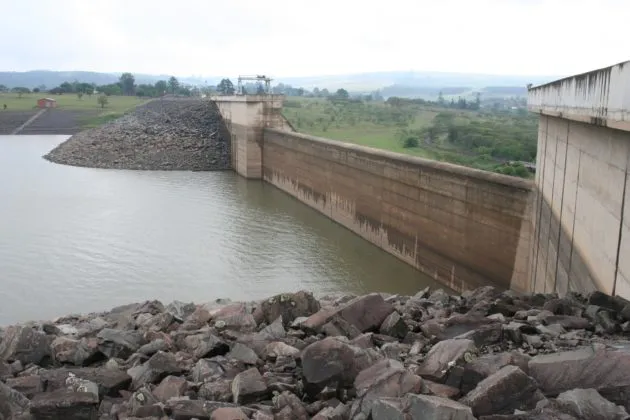
Hichilema’s government secured a landmark debt restructuring, restored an IMF programme, returned the economy to growth (IMF projections around 4.3% or higher for 2026 in some reports), brought inflation down sharply (to about 6.5% by mid-2026, its lowest in years), boosted investor confidence, and advanced free education (benefiting millions of learners) along with a massively increased Constituency Development Fund. Copper production—the backbone of the economy (major export earner and revenue source)—has recovered, with ambitions to triple output longer-term amid high global prices. The kwacha performed strongly in periods, and foreign reserves improved.
However, many ordinary Zambians report that benefits have been slow to reach households. Persistent issues include high food and living costs (a basic needs basket rose substantially since 2021), unemployment, poverty (World Bank data cited showing over 70% living on less than $3 a day in some references), power shortages (exacerbated by drought impacts on hydropower, leading to costly emergency imports and blackouts), and limited job creation outside mining. Critics argue austerity measures and reform impacts have squeezed households, while supporters highlight foundations for longer-term growth and services like free education.
Voters appear split on personal and national economic conditions in surveys. The election is widely framed as testing whether macroeconomic recovery and reforms will translate into electoral support, or whether cost-of-living frustration will drive change. Mining stakeholders hope for continued incentives, power investment, and policy continuity to support expansion.
Hopes for Peace and Remaining Tensions
Zambia has a strong recent record of peaceful elections and democratic transfers of power. Analysts, political figures, and many citizens express optimism that this will continue, citing the absence of major violence since 2021 and institutional confidence in some surveys (e.g., majorities expecting free and fair polls and not fearing for safety, though opposition supporters show higher scepticism). President Hichilema has publicly assured a calm process and directed security agencies accordingly.
That said, the campaign has seen pockets of violence, clashes dispersed with tear gas, allegations of intimidation or restricted opposition activities, and concerns about political space, institutional trust (which has declined from post-2021 peaks in some assessments), and localised risks (e.g., in certain provinces or among urban youth if results are contested). A prolonged dispute over the burial of Edgar Lungu (who died in South Africa in 2025) has sharpened divisions: the family (linked to Mundubile’s running mate) preferred a private South African burial and clashed with the government over repatriation and state funeral protocols; courts ultimately sided with the family in mid-2026, and burial was reportedly delayed past the election in some accounts. This has energised opposition support in traditional PF areas in the north and east.
Polling stations open at 06:00 local time and close 12 hours later. Presidential results are expected by around 17 August. International observers, domestic monitors, and civil society will play roles in assessing the process.
Broader Implications
A Hichilema victory would likely signal policy continuity for investors focused on copper, debt sustainability, and growth reforms, while testing delivery on jobs, services, and inclusive benefits. An opposition win or strong showing could shift priorities toward addressing immediate living costs and potentially revisit aspects of the reform path. Either outcome will test Zambia’s democratic institutions, parliamentary dynamics under the new seat map, and its regional standing as a relatively stable multiparty democracy. Youth turnout, rural vs. urban divides, provincial swings, and whether economic messaging resonates will be decisive factors.
Zambians across the spectrum have emphasised the desire for a peaceful vote that allows focus on solving economic challenges rather than instability. The coming days will determine whether the country’s democratic reputation holds and how voters weigh progress against persistent hardships.