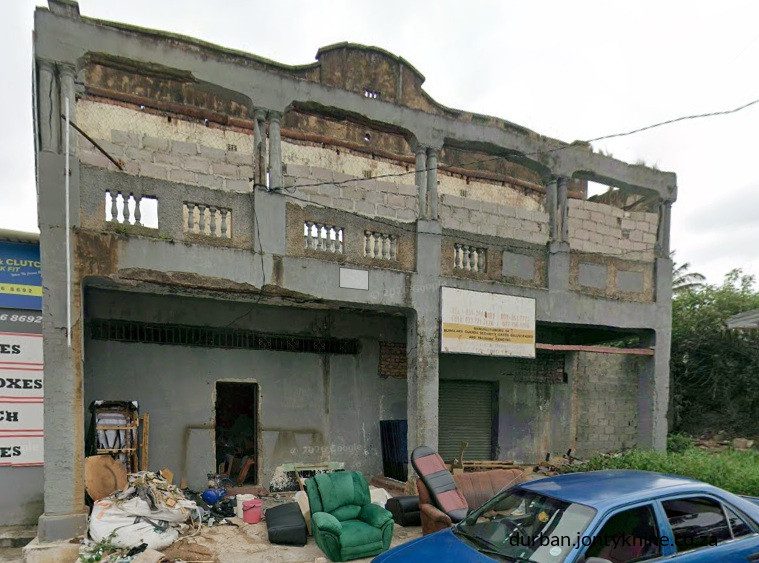






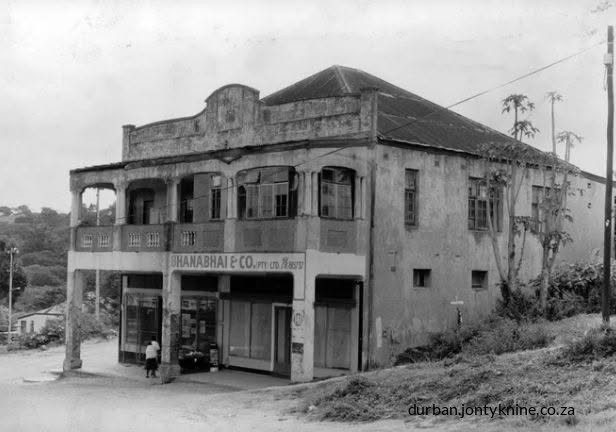
“Hanabhai” (or close variants) fits common Indian/Gujarati-influenced surnames or trading names in Durban’s historically Indian communities. “Bhai” is a familiar element in such names, and “& Co” is a traditional style for family or partnership businesses (shops, traders, or professional firms). Similar Durban names include Haribhai (associated with spice/rice merchants historically based more in the city centre rather than specifically Cato Manor) and other local “Bhai”-style entities, but none map directly to this exact combination in Cato Manor. Cato Manor is a well-documented settlement roughly 7 km west of Durban’s city centre (coordinates around 29°52′S 30°57′E; postal code area 4091). It has a layered history: originally land granted to George Christopher Cato (Durban’s first mayor) in the mid-19th century, later subdivided and occupied by Indian market gardeners from the early 1900s, then increasingly by African residents from the 1920s–1940s who rented from Indian landlords. It developed into a dense, mixed Afro-Indian informal settlement known locally in parts as Umkhumbane.