

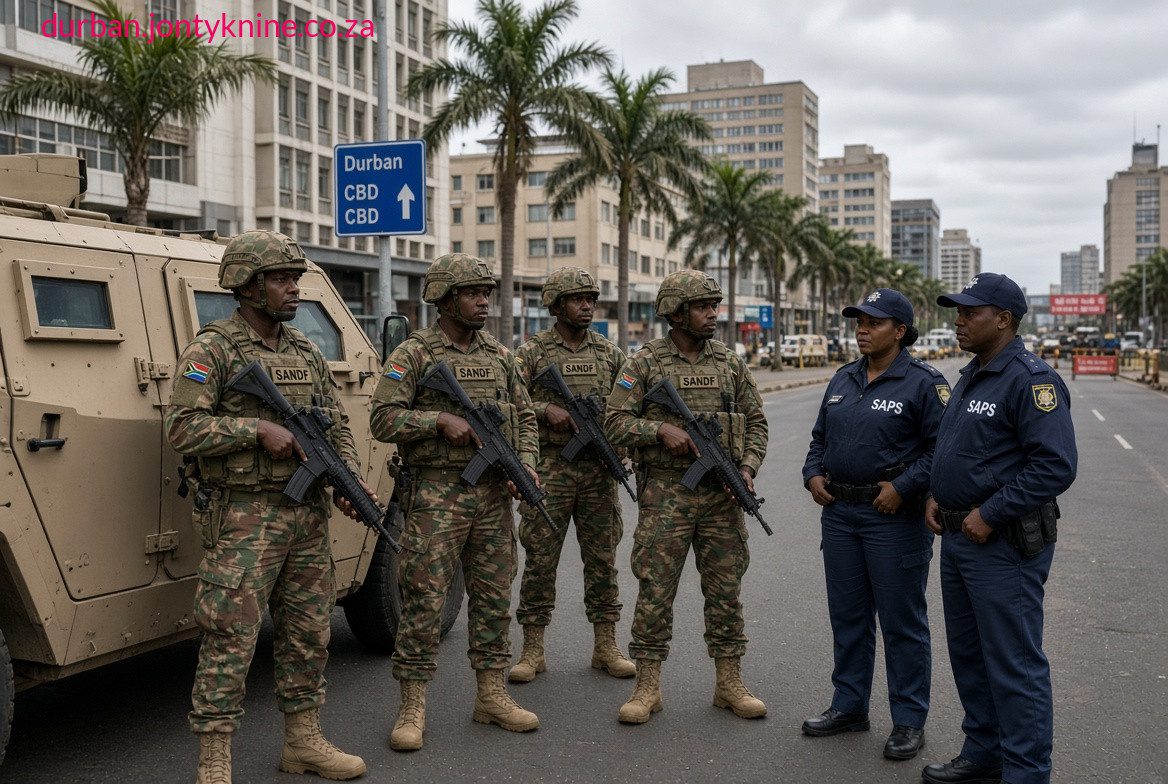
Official confirmation came from the Presidency (statement dated 27 October 2026). Ramaphosa informed Parliament (Speaker Thoko Didiza and NCOP Chairperson Refilwe Mtsweni-Tsipane) of the decision under section 201(2)(a) of the Constitution. The troops form part of Operation Prosper and will assist the South African Police Service (SAPS) in maintaining law and order. They are on standby for any eventuality. The deployment runs from 9 October to 30 November 2026 at an estimated cost of R34 082 720.
Context of the unrest
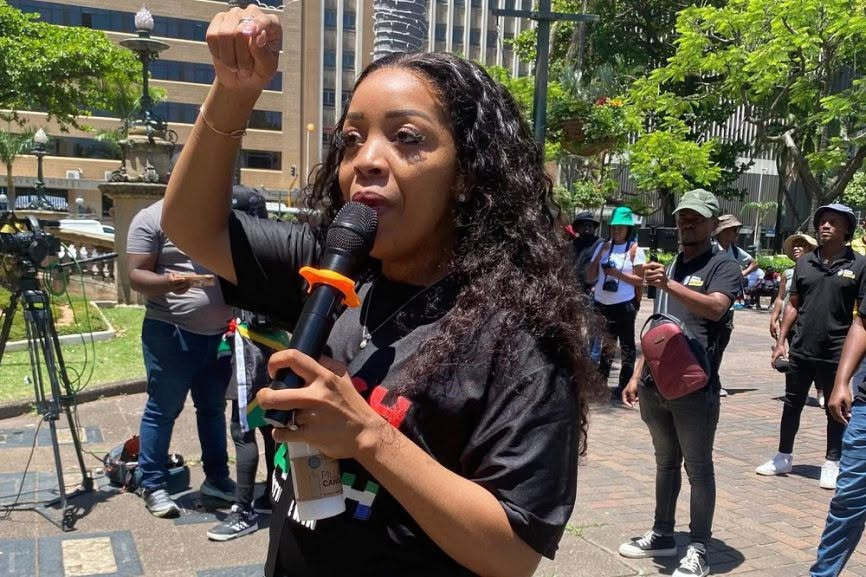
The deployment responds to recent violent actions in KZN (especially Durban) linked to anti-immigration protests. These were fuelled by a campaign of misinformation about a Constitutional Court judgment on the Refugees Act/asylum process (the ruling clarified access to the asylum system and did not grant automatic status, amnesty, or permanent residence). Incidents included looting of foreign-owned shops, vehicles set alight (reports of around 14 in one episode), property damage, and the beating death of a Ugandan national during a protest march. Police used rubber bullets to disperse crowds in earlier clashes, and arrests were made for public violence and related offences. KZN Premier Thami Ntuli had requested military assistance.
On “armed with live ammunition to stop protesters”
Official statements frame the role as cooperation with SAPS to maintain law and order and respond to eventualities, not a specific directive to use live rounds against protesters. Earlier police responses relied on less-lethal options such as rubber bullets. No primary government sources in the reporting explicitly state an order for live ammunition specifically “to stop protesters.”
The timing aligns with the lead-up to the 4 November 2026 local government elections (municipal elections). Protests and related tensions have raised security concerns in the province during the campaign period.
This is a verified official action reported across government and major South African news outlets.