




This situation involves the construction company Concor, which filed for voluntary business rescue in November 2026 after severe financial distress.
Key Facts of the Concor Financial Crisis
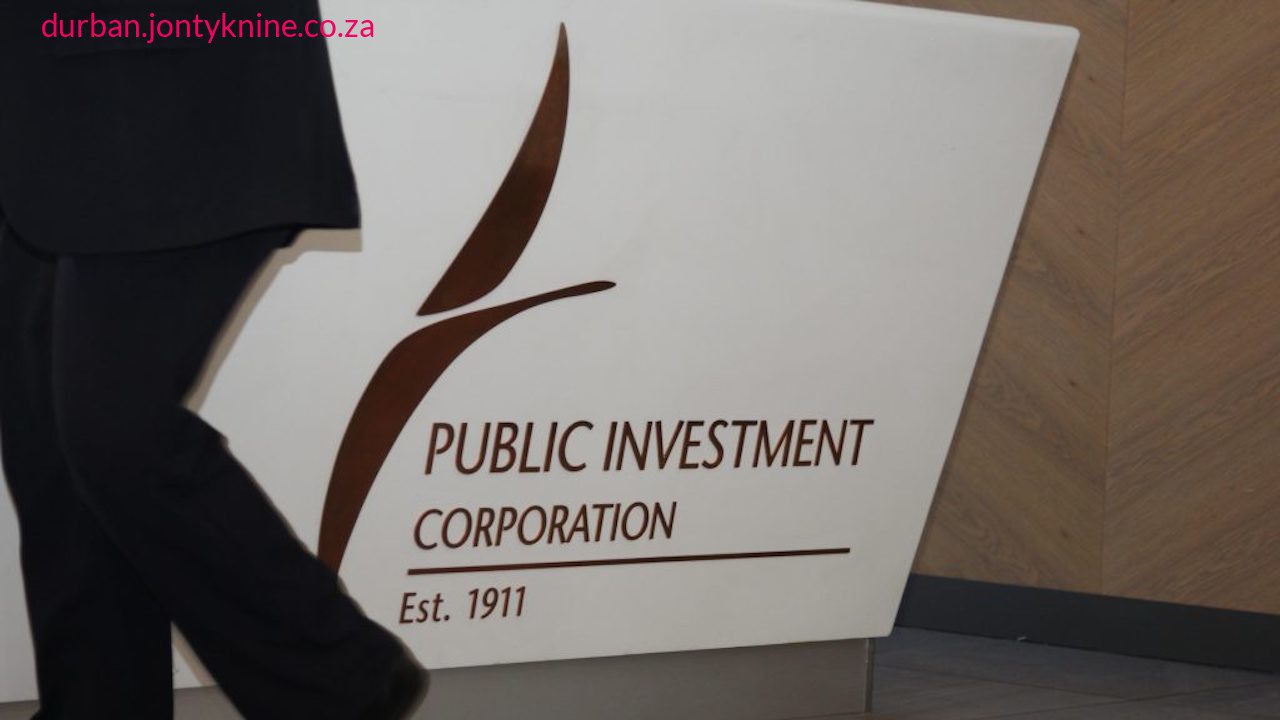
- Ownership Structure: Concor is 100% owned through public funds managed by the Public Investment Corporation (PIC)—specifically split between the Government Employees Pension Fund (GEPF) at 81.25% and the Unemployment Insurance Fund (UIF) at 18.75%.
- Background & Transactions:
- In 2017, a black-empowered consortium led by Southern Palace Group acquired Murray & Roberts’ construction assets (reviving the Concor brand) using PIC debt financing.
- Over subsequent years, following distress and defaults, the PIC injected additional emergency/distressed funding between 2022 and 2024.
- In May 2025, approximately R1.18 billion in accumulated shareholder debt was converted into preference equity, bringing the total state pension and public fund exposure to over R1.8 billion.
- The R15,000 Remaining: Following an adverse High Court ruling allowing financial guarantees to be called against the firm, Concor’s available liquidity evaporated almost entirely. According to filings presented during the business rescue process, the company was left with approximately R4,000 in its bank accounts and R11,000 in trade receivables—totaling just R15,000 in available liquid balance, putting roughly 3,400 jobs at risk.
Broader Context around PIC Unlisted Investments
This event has reignited public debate and political scrutiny regarding the PIC’s unlisted investment portfolio (managed through its Isibaya Fund).
- Concerns Over Governance: Critics and opposition parties point to persistent governance failures, weak due diligence, and high-risk capital allocations in unlisted empowerment deals where state pension funds faced total or near-total write-offs.
- The PIC & Government’s Stance: The PIC and National Treasury maintain that while certain unlisted investments from previous eras experienced severe capital losses, the broader portfolio remains net-positive, generating over R50 billion in value through top-performing holdings. They also emphasize that post-Mpati Commission reforms have strengthened risk oversight on new deals.