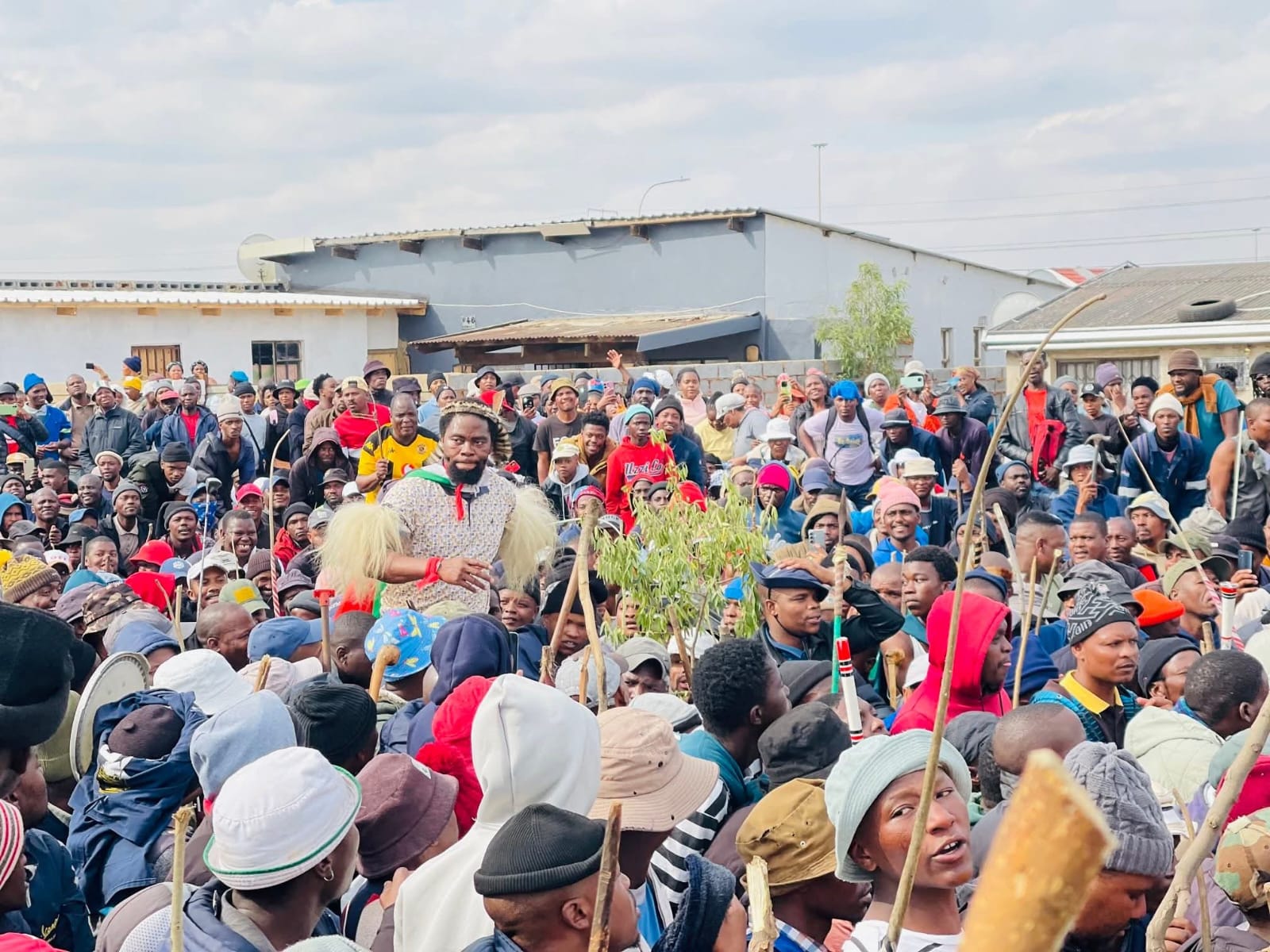




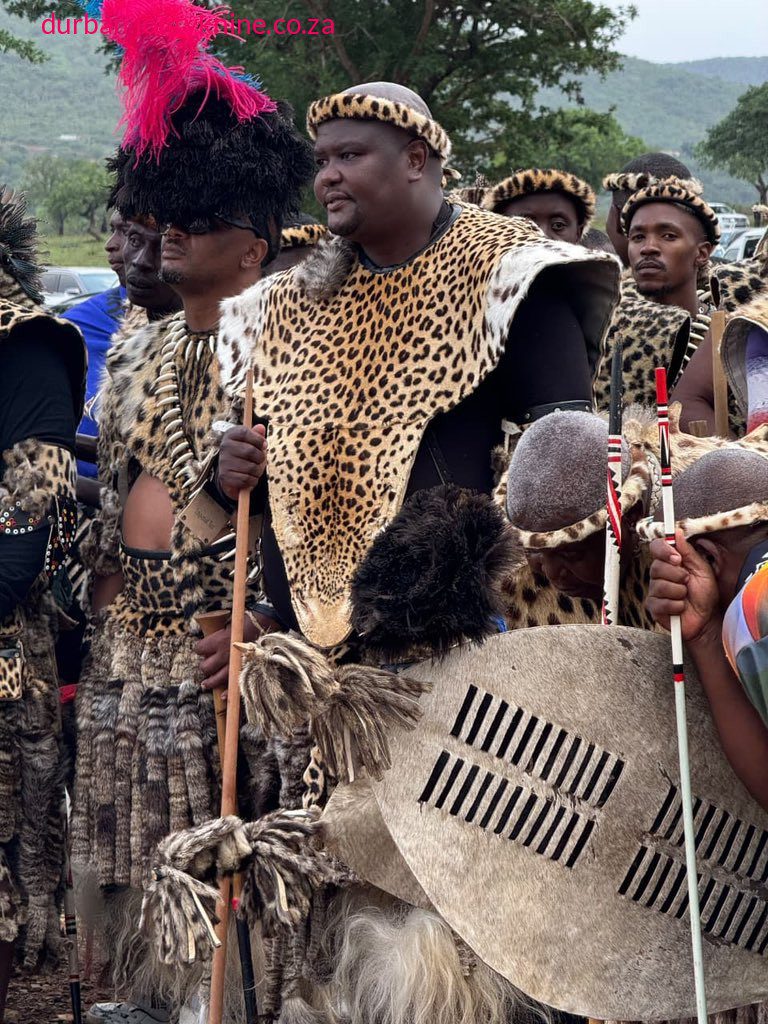
This fits established Zulu customary practice. Clans and sub-clans commonly formalise leadership or representation by approaching the monarch, presenting cattle as a sign of respect and request for recognition/blessing, and seeking royal endorsement so the chosen person can act authoritatively on the clan’s behalf in dealings with the throne or related traditional structures. Presenting ten cows is a meaningful but not unusually large gesture in such contexts (comparable offerings appear in other royal interactions involving cattle as tribute, apology, or lobola elements).
Publicly available reporting at the time of the post does not add extensive further biographical detail on Phineas Ngema or the internal clan deliberations that led to his selection. The Ngema isibongo itself has historical prominence in Zulu history (including figures linked to the Anglo-Zulu War period and, in modern times, cultural figures such as the late playwright Mbongeni Ngema, whose clan name is often given as Madlokovu). The inclusion of Nene and Mngadi lines is consistent with how many larger Zulu clans encompass related houses or izithakazelo.
King Misuzulu continues to handle a range of traditional leadership recognitions, installations, and clan matters as part of his role, alongside ongoing royal-house and governance issues. This particular introduction appears to be a standard, low-controversy affirmation of clan autonomy under the monarch’s overarching authority rather than a major political or succession development.
If you have additional context, a specific angle (e.g., the clan’s history, photos from the event, or related traditional processes), or want help tracking follow-up reporting, let me know.