





The situation is illustrated by scenes at places like Vrygrond’s Community Care Clinic in Cape Town, where patients from communities including Retreat, Lavender Hill, and Hanover Park gather in desperation. Similar problems are reported nationwide, particularly in the Western Cape, Gauteng, KwaZulu-Natal, Eastern Cape, and other provinces.
Scale of the Shortages
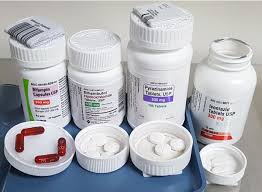
National medicine availability stood at about 83.4% as of mid-November 2026 (aiming for 80–90%), but this masks deeper problems. Depot-level stocks are much lower in several provinces (e.g., Mpumalanga at 36.5% and Free State at 41.4%), and the Department of Health’s “hotlist” of products at risk of running out more than doubled since May to around 184 items by mid-November, with about a third on the list for over three months. Earlier figures indicated more than one in seven medicines on the master products list were unavailable or at high risk, with shortages affecting roughly 50 critical public-sector medicines (and some private-sector lines).
Affected categories include:
- Neurological and psychiatric: Drugs for schizophrenia, bipolar disorder, depression, anxiety, epilepsy (e.g., olanzapine, quetiapine, and others), and Parkinson’s.
- Chronic non-communicable diseases: Hypertension (e.g., amlodipine), diabetes (metformin, insulin), cholesterol (rosuvastatin, simvastatin), and asthma/COPD medications.
- Infectious diseases: TB drugs, some antibiotics, and selected paediatric ARVs (though overall ARV stockpiles of three months are said to be maintained for the ~6.1 million people on treatment).
- Other: Oncology drugs, contraceptives, hormone replacement therapy, folic acid, anaesthetics, certain vaccines, and even basic items like painkillers in some facilities.
Patients have reported incomplete supplies, rationing, forced switches to alternatives (sometimes with side effects or reduced efficacy), or being turned away and told to buy privately or try other clinics.
Impact on Patients, Especially the Neglected and Vulnerable
The heaviest burden falls on public-sector patients who cannot afford private pharmacies or repeated travel. Chronic patients who normally collect medication at home or nearby clinics have gone up to three months without supplies in some cases. Epilepsy patients risk uncontrolled seizures; mental health patients face relapses that can lead to hospitalisation, aggression in understaffed wards (described in places as turning into “war zones”), and increased pressure on emergency departments ill-equipped for psychiatric care. Nurses and staff report burnout, safety risks from unmedicated aggressive patients, and moral distress at being unable to provide care.
Mental health advocates and the South African Society of Psychiatrists (SASOP) have been particularly vocal, noting shortages of multiple psychotropics from multiple suppliers, limited alternatives, and cases of relapse and admission. Some facilities have restricted private prescriptions even when families could buy drugs. Poorer communities, pensioners on grants, and those in areas with high violence (who already avoid larger hospitals) are hit hardest. Inequality is stark: private patients often find substitutes more readily, while public patients cannot.
Community clinics and NGOs (such as the one at Vrygrond, supported by local and international partners) are stretched, seeing higher volumes while struggling with stock. Healthcare workers and patient advocates describe the situation as life-threatening in some cases and a failure of the state’s basic duty to provide care.
Multiple Contributing Causes
The crisis is multi-factorial, with several longstanding issues coinciding with newer disruptions:
- Port congestion at Durban: A major bottleneck. Roughly 30 containers/shipments of medicines have been stuck; South Africa imports ~95% of its medicines (and does not produce its own active pharmaceutical ingredients/APIs). A new IT system has contributed to delays. Transnet has agreed to prioritise pharmaceuticals, and Health Minister Aaron Motsoaledi has engaged the Transport Minister for faster clearance.
- Unpaid supplier invoices: Provinces (especially Eastern Cape, Northern Cape, North West, and others) owe large sums—historically reported in the billions of rand overall. Suppliers have blocked accounts, stopping deliveries. The Auditor-General has long flagged poor financial controls. Western Cape is often noted as an exception that pays.
- Manufacturing and regulatory issues: SAHPRA has stepped up inspections and enforcement of Good Manufacturing Practice standards, leading to partial or full closures of non-compliant facilities (e.g., impacting psychotropics via actions involving contract manufacturers). Some view this as necessary for safety; others argue it has outpaced manufacturers’ ability to adapt and contributed to shortages when alternatives are limited. SAHPRA maintains shortages are multi-factorial and not solely due to its actions.
- Global supply chain disruptions: Conflict affecting the Strait of Hormuz has disrupted shipping and API supplies from key sources (India, China, etc.). Rerouting raises costs and delays. Manufacturing capacity constraints and API shortages abroad add pressure.
- Other factors: Procurement challenges, single-exit pricing pressures on manufacturers, limited local production capacity, testing/release delays after imports, and historical under-investment in supply-chain resilience. Some experts (including health economists) argue governance and provincial financial failures are the dominant drivers, noting the private sector is less affected.
Official Responses and Mitigation Efforts
The National Department of Health is sourcing therapeutic alternatives, issuing Section 21 authorisations for temporary importation of unregistered/unlicensed medicines (a longstanding practice for certain gaps, such as some oncology drugs), redistributing stock where possible, and allowing provinces to buy from non-contracted suppliers. Circulars advise clinicians on substitutions (e.g., combining lower-strength tablets). Motsoaledi has emphasised that shortages fluctuate and are not static, reassured ARV availability in principle, and urged payment of outstanding bills (with deadlines and potential escalation to premiers).
Provincial departments (e.g., Western Cape) have flagged the issues for months and sought national intervention. Parliament’s Portfolio Committee on Health has discussed availability figures, illicit-medicine risks (patients may turn to unregulated sources), and supply-chain weaknesses. Opposition parties (notably the DA) have called for urgent investigations and highlighted specific stockouts. Civil society, psychiatrists, rural doctors, and Stop Stockouts Project reports document hundreds of recent stockout notifications.
Broader Context and Implications
This is not entirely new—medicine stockouts have recurred for years due to similar root causes—but the current combination appears unusually severe and widespread. It exposes structural weaknesses: heavy import dependence, provincial financial mismanagement, limited local manufacturing of APIs and finished products, regulatory-capacity tensions, and under-resourced public facilities already strained by staff shortages and high disease burdens (HIV, TB, non-communicable diseases, mental health).
Risks include treatment interruptions leading to complications, hospitalisations, resistance (for infectious diseases), human rights concerns in mental health care, and potential growth in illicit or substandard medicines. Healthcare worker morale suffers, and community trust erodes. Longer-term solutions discussed include better payment systems, stronger local production, improved forecasting and buffer stocks, streamlined but rigorous regulation, port efficiency, and addressing provincial governance.
Patients, clinicians, and advocates continue to press for faster resolution, clearer communication on timelines, and prioritisation of the most vulnerable. The situation remains fluid, with some hope that port prioritisation and payments could ease pressure in the near term, though deeper fixes will take longer. For the latest facility-level information, patients are advised to check with their clinics or the Department of Health resources, though national tracking (such as the hotlist) provides the broader picture.