


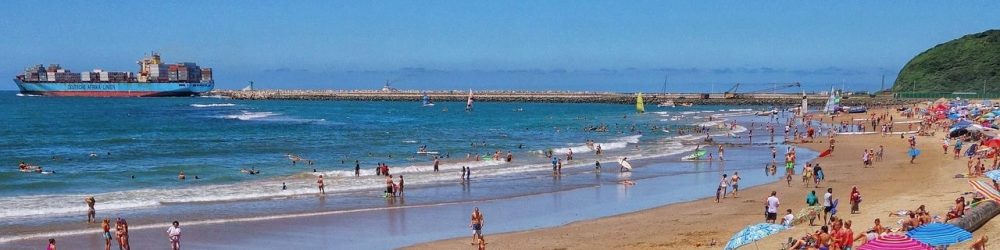

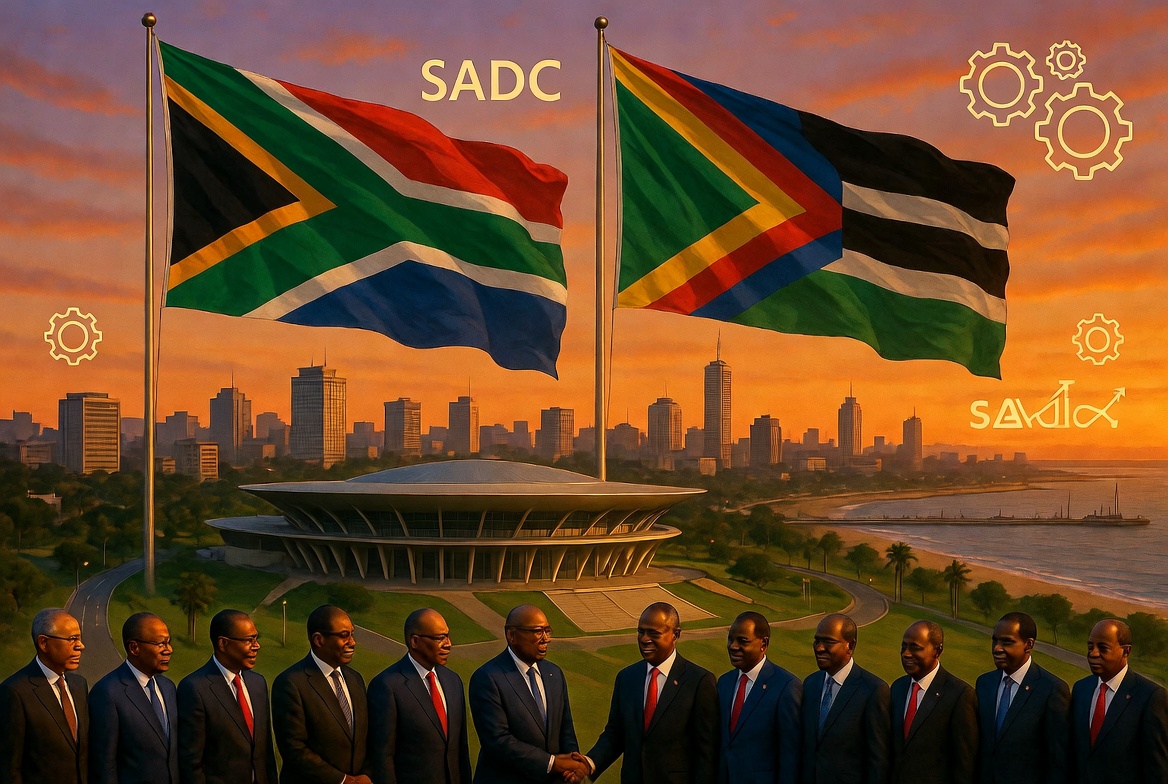
eThekwini, which encompasses Durban in KwaZulu-Natal, South Africa, is hosting the SADC (Southern African Development Community) Summit of Heads of State and Government. The main summit is scheduled around mid-August 2026 (with some reports noting preparatory events from early August), at the Inkosi Albert Luthuli International Convention Centre (ICC). It will be preceded by the 9th SADC Industrialisation Week (SIW), focusing on regional economic integration, infrastructure, agro-processing, critical minerals, and inclusive growth.
South Africa assumes the SADC chairmanship for the following year, positioning Durban as a hub for regional diplomacy. This is seen as recognition of eThekwini’s progress and South Africa’s strategic role as the region’s economic powerhouse and “gateway to Africa.”
The Xenophobia Concerns
Recent protests in Durban and other South African cities (e.g., Johannesburg, Pretoria) against illegal immigration have raised alarms. Groups like “March and March” organized demonstrations demanding stricter enforcement, including deadlines for undocumented migrants to leave. These have sometimes escalated into violence, looting, or intimidation targeting foreign nationals (often from other African countries like Zimbabwe, Malawi, Mozambique, and Nigeria), with reports of deaths, displacements, and business disruptions.
- Official Position: South African authorities, including eThekwini and the national government, distinguish between concerns over illegal immigration (undocumented migrants, crime, and resource strain) and xenophobia (indiscriminate hatred toward foreigners). They emphasize that protests target illegality, not foreign nationals lawfully present.
- Thabi Mfeka, eThekwini Municipality’s acting director for international and intergovernmental relations, stated: “South Africa and the City of Durban are not xenophobic… What is happening in terms of the migration is something which has to do with illegal immigrants so that they can be repatriated back to their countries of origin.”
Neighboring countries and the broader African Union (AU) have expressed concerns. Ghana and ECOWAS pushed for AU discussions on attacks affecting African migrants, citing deaths, economic harm, and eroded unity. Some countries repatriated citizens amid fears.
Nuances and Multiple Angles
Socio-Economic Drivers:
- High unemployment, inequality, and service delivery protests in South Africa create fertile ground for scapegoating migrants, who are often visible in informal trade, small businesses, and certain sectors.
- Historical patterns: Xenophobic violence has flared periodically since 2008 (e.g., major outbreaks in 2008, 2015, 2019, and waves in 2026), with vigilante actions sometimes met with inadequate policing response.
- Data points: Surveys (e.g., older SAMP data) show relatively high anti-immigrant sentiment in South Africa compared to some neighbors. Recent incidents include verified attacks tracked by groups like Xenowatch.
Distinction vs. Reality:
- Legitimate immigration enforcement (border control, deportation of undocumented individuals) is a sovereign right and addresses issues like crime or overstays. However, critics argue rhetoric and lax responses blur lines, leading to broader targeting of Black African migrants (“Afrophobia”).
- Foreign nationals (documented or not) contribute economically (remittances outflow is a regional issue, but migrants also fill labor gaps and run businesses).
- Edge cases: Legal migrants and refugees sometimes face harassment; small businesses owned by foreigners are looted; social media amplifies tensions.
Regional and Diplomatic Implications:
- SADC aims for integration, free movement (in principle), and economic cooperation. Xenophobia undermines this, damages South Africa’s image, and risks retaliation (e.g., against South African businesses or travelers abroad).
- The timing is sensitive: Hosting the summit while tensions simmer could embarrass South Africa or highlight governance gaps. It also tests SADC’s ability to address internal contradictions.
- Broader AU dynamics: Petitions to the ICC and calls for debate show continental scrutiny. South Africa condemns vigilante violence and stresses rule of law.
Political Context:
- Opposition parties, economic pressures, and upcoming or recent politics play roles. Protests sometimes intersect with local grievances.
- Government responses include condemnations, law enforcement directives, and diplomatic outreach (e.g., Minister Ronald Lamola engagements).
What eThekwini and Authorities Are Doing
- Reassurance Messaging: Public statements affirming Durban’s hospitality and commitment to visitors from the continent.
- Preparations: Upgrades to venues (e.g., ICC), security for delegates, media accreditation, and focus on positive summit outcomes (industrialisation, trade, infrastructure).
- Broader Efforts: National emphasis on legal migration pathways, enforcement by authorities (not vigilantes), and economic initiatives to address root causes like job creation.
Related Considerations and Edge Cases
- Security: Heightened risks during the summit could lead to protests or incidents; authorities must balance free expression with delegate safety.
- Economic Impact: Successful hosting boosts investment and tourism; failure to manage perceptions could deter regional partnerships.
- Long-Term Solutions: Sustainable approaches include better border management, skills-based immigration policy, anti-corruption in home countries (reducing migration push factors), regional labor protocols, and addressing domestic inequalities. Purely repressive measures risk cycles of violence.
- Media and Perception: Local vs. international framing differs—domestic focus on “illegal immigration,” external on “xenophobia.” Balanced coverage matters for diplomacy.