



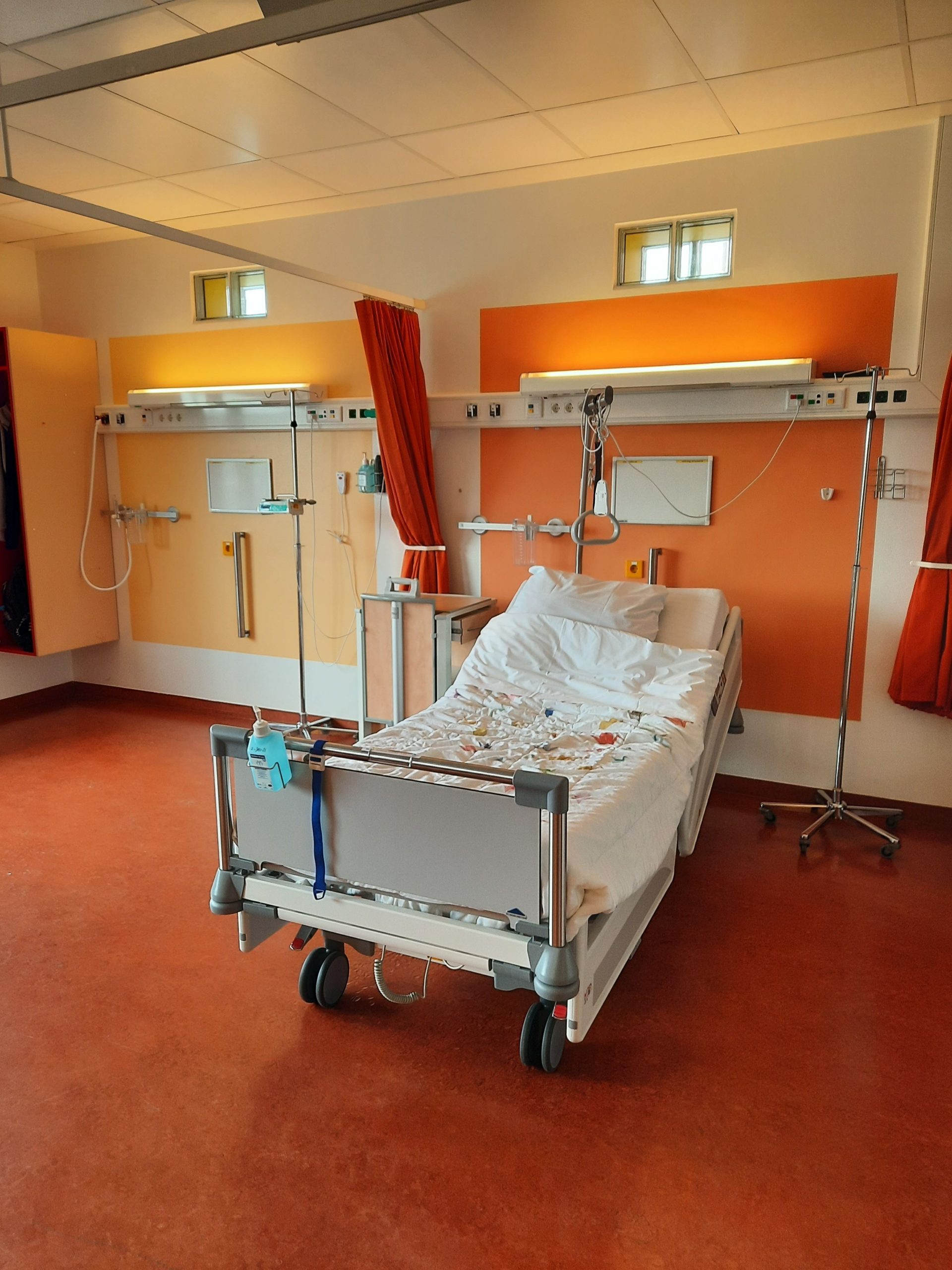
Pongola Hospital was a small, privately owned (or mission-linked) 21-bed facility in the Zululand district that had received state subsidies from the KZN Department of Health for about 40 years. In early 2013, the department announced it would no longer fund the hospital due to budget constraints and empty coffers.
- The final subsidy was significantly reduced (e.g., a one-time R2-million payment instead of the previous annual ~R3.8 million), and monthly funding was set to end by March 2014.
- Hospital management reported struggling with salaries, operations, and patient care, relying on limited kiosk income.
- The decision drew criticism from opposition parties like the Democratic Alliance (DA), who argued it would deprive communities in Pongola, surrounding areas in Mpumalanga, and even parts of Swaziland (now Eswatini) of vital services, especially emergencies like snake bites.
This was part of broader financial pressures on the KZN health system at the time, with similar issues affecting other facilities (e.g., negotiations around McCord Hospital).
Outcome and Current Status
Pongola Hospital faced imminent closure by March 2014 with no alternative funding lifeline. It does not appear to have continued operating as a full hospital under that name.
Today, the primary public hospital serving the Pongola area is Itshelejuba Hospital (sometimes spelled Itshelejuba), located nearby on the N2 North. It handles district hospital services for the region.
Patients previously served by Pongola would likely have been redirected there (about 38–45 minutes away), increasing travel times and pressure on the remaining facility.
Context and Implications
- Rural healthcare challenges in South Africa: This case highlights ongoing issues with funding small/rural hospitals, budget constraints in provincial health departments, staff uncertainty, and risks to emergency care in underserved areas. Similar debates continue in KZN and nationally regarding sustainability of smaller facilities versus centralization.
- Broader 2013 context: Provincial budgets were strained, leading to tough choices. Opposition and community concerns focused on access for low-income and remote populations.