



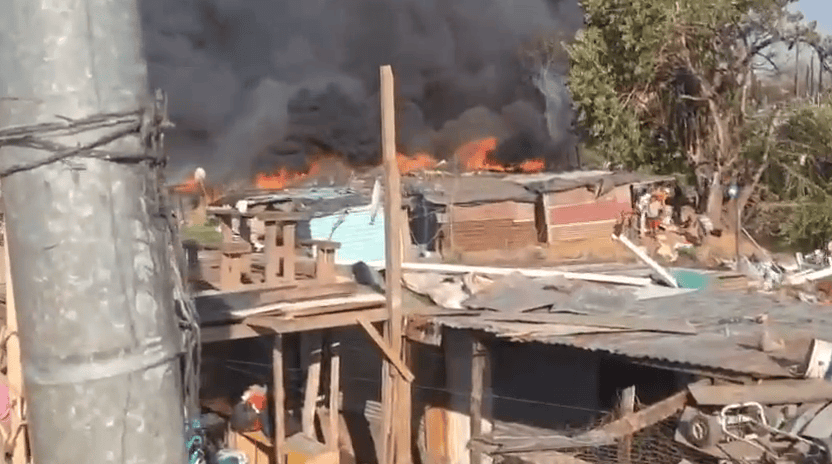
- A major blaze in mid-July 2026 (around 12–13 July) destroyed roughly 427–490+ structures (reports vary; some local coverage and posts cited “over 490” or approached the “500” figure in circulating accounts). Hundreds of families were displaced. Emergency services fought the fire for hours. Two people died in connection with this incident according to some contemporaneous reporting, and there were widespread calls for relocation to safer formal housing.
- KZN Cogta MEC Reverend Thulasizwe Buthelezi deployed provincial disaster management teams to provide urgent relief (blankets, mattresses, food, trauma support, and coordination with social partners and other departments). Statements from IFP-aligned and official channels highlighted winter-season caution around open flames.
- A more recent fire on or around 8 August 2026 destroyed more than 50 homes at the same settlement, again forcing residents to flee. Firefighters were actively containing it at the time of early reports.
Earlier incidents at Jika Joe (2020, 2019, 2025 and others) followed similar patterns: rapid spread through closely packed shacks, loss of belongings and documents, temporary shelter in halls or with neighbours, and slow rebuilding often using salvaged materials while residents waited for municipal or provincial assistance.
Kennedy Road / other eThekwini fires and the “man and child” reference
The phrasing “a man and a child” aligns more closely with a July 2025 fire at Kennedy Road informal settlement (eThekwini/Durban area) than with the July 2026 Jika Joe event. That blaze destroyed about 100 shacks, left roughly 150 people homeless, and killed 26-year-old Nonhle Mbawu and 18-month-old Bandile Zulu (third-degree burns; reports linked it to an unattended candle). MEC Buthelezi visited the site, offered condolences, distributed interim relief (groceries, mattresses, blankets, hygiene packs), and confirmed full burial support for the victims’ families. Social partners provided additional meals, counselling, and document-replacement help.
Other winter 2025–2026 incidents in the province also involved deaths linked to heating methods (imbawula/braziers indoors causing smoke inhalation) or informal-settlement fires; Buthelezi issued broader condolences and safety appeals in those cases.
Umlazi (Mlazi) / “H” section
Public reporting available around early August 2026 does not clearly confirm a large-scale shack fire with a fatality specifically in Umlazi H-section “today.” There have been various fire and housing-related incidents in the broader eThekwini area (including other informal settlements), mudslide recovery support in Umlazi, and isolated house fires elsewhere in KZN (e.g., Ulundi). Older high-profile events in Umlazi (including unrest-related fires) exist but are not current. Without additional on-the-ground confirmation, the “one died and the shacks burned at H in Mlazi today” detail appears either incomplete, mixed with another incident, or not yet widely reported in searchable sources.
Government response pattern and broader context
MEC Buthelezi (Cogta) has repeatedly responded to these disasters by deploying disaster management, coordinating relief, issuing condolences, and sometimes covering funeral costs. The department’s mandate covers local government support and traditional affairs; informal-settlement fires fall under disaster management and intergovernmental coordination with municipalities (Msunduzi, eThekwini), Human Settlements, Social Development, and SAPS/fire services.
These events highlight structural problems common across South African informal settlements:
- High density and combustible materials allow fires to spread extremely quickly.
- Illegal connections and reliance on candles/open flames increase ignition risk, especially in winter.
- Residents often lose identity documents, savings, clothing, and medication, complicating recovery.
- Temporary relief (halls, blankets, food parcels) is common, but permanent safer housing and fire-prevention infrastructure lag.
- Political and community pressure frequently follows large fires, including demands for relocation or better service delivery.