

As of mid-August 2026, a targeted intervention led by the Office of the City Manager, Musa Mbhele, is monitoring and working to unblock 20 strategic investment projects across the metro. Half of these projects have already been fully resolved. Regional progress varies: 100% of identified blockages resolved in the North Central region, 86% in the North, 67% in the Outer West, and 25% in the Central region.
By systematically removing operational obstacles, the municipality aims to allow private capital to flow more quickly into the local economy. Officials describe this as creating a more “frictionless operating environment” needed to attract and sustain private investment.
Link to Stronger Labour Market Performance
This administrative push coincides with positive labour market data from Statistics South Africa’s Q2 2026 Labour Force Survey. eThekwini recorded an unemployment rate of 21.2%—well below the national average of 33.6%. Year-on-year, employment in the metro rose by 90,000 while unemployment fell by 92,000, producing a statistically significant 5.6 percentage point drop in the unemployment rate.
Supporting details include:
- Transport and logistics added approximately 44,000 jobs over the past nine months (nearly all of the sector’s growth in KwaZulu-Natal).
- Finance and business services contributed a further 25,000 positions.
- Formal-sector employment increased by 149,000, indicating a shift toward more stable, formal work opportunities.
Municipal statements indicate that progress on unblocking the strategic projects is expected to help sustain this momentum into future quarters.
Broader Context of Investment and Turnaround Efforts
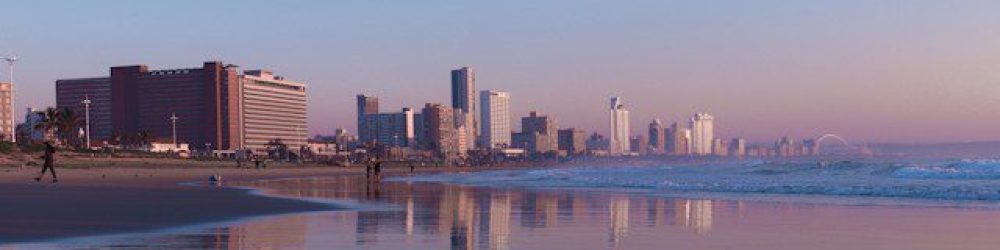
This initiative forms part of a wider set of measures to improve the investment climate in eThekwini (Durban). Related developments in 2025–2026 include:
- Support for 61 designated industrial areas housing around 27,000 businesses that generate roughly R9 billion annually and contribute more than half of the city’s revenue base.
- Infrastructure upgrades in key nodes (e.g., Prospecton), which have helped secure major commitments such as Toyota’s R10 billion expansion.
- Establishment or strengthening of investor facilitation mechanisms (including “Investor Fridays” and a One-Stop Shop approach) to streamline approvals.
- Catalytic project pipelines previously cited in the R200+ billion range, covering mixed-use developments, logistics, waterfront regeneration, industrial nodes, and more.
- An updated Economic Development Incentive Policy (effective from around July 2026) offering rates rebates and sector-specific support (manufacturing, logistics, green industries, automotive, township and urban regeneration focus).
- Ongoing work under the Presidential eThekwini Working Group (PeWG), which has shifted emphasis from stabilisation toward growth, investment attraction, and faster planning processes.
These efforts occur against a backdrop of earlier service delivery and infrastructure challenges in the metro, with recent improvements in water, electricity, and industrial support cited as factors restoring business confidence.
Implications and Considerations
Unblocking projects can accelerate private investment, job creation, and municipal revenue (through rates and economic activity). Transport/logistics and formal-sector gains align with Durban’s strengths as a major port and industrial hub. Continued progress depends on consistent execution across regions (noting the lower resolution rate so far in the Central area), sustained infrastructure delivery, and addressing remaining constraints such as bulk services, regulatory predictability, and any lingering security or construction-related issues reported in the broader environment.
The municipality positions the current drive as essential to keeping private capital flowing and maintaining Durban’s competitive position relative to other metros. Further updates on specific projects resolved, capital values unlocked, or employment outcomes tied directly to these 20 investments would provide additional clarity on impact.