






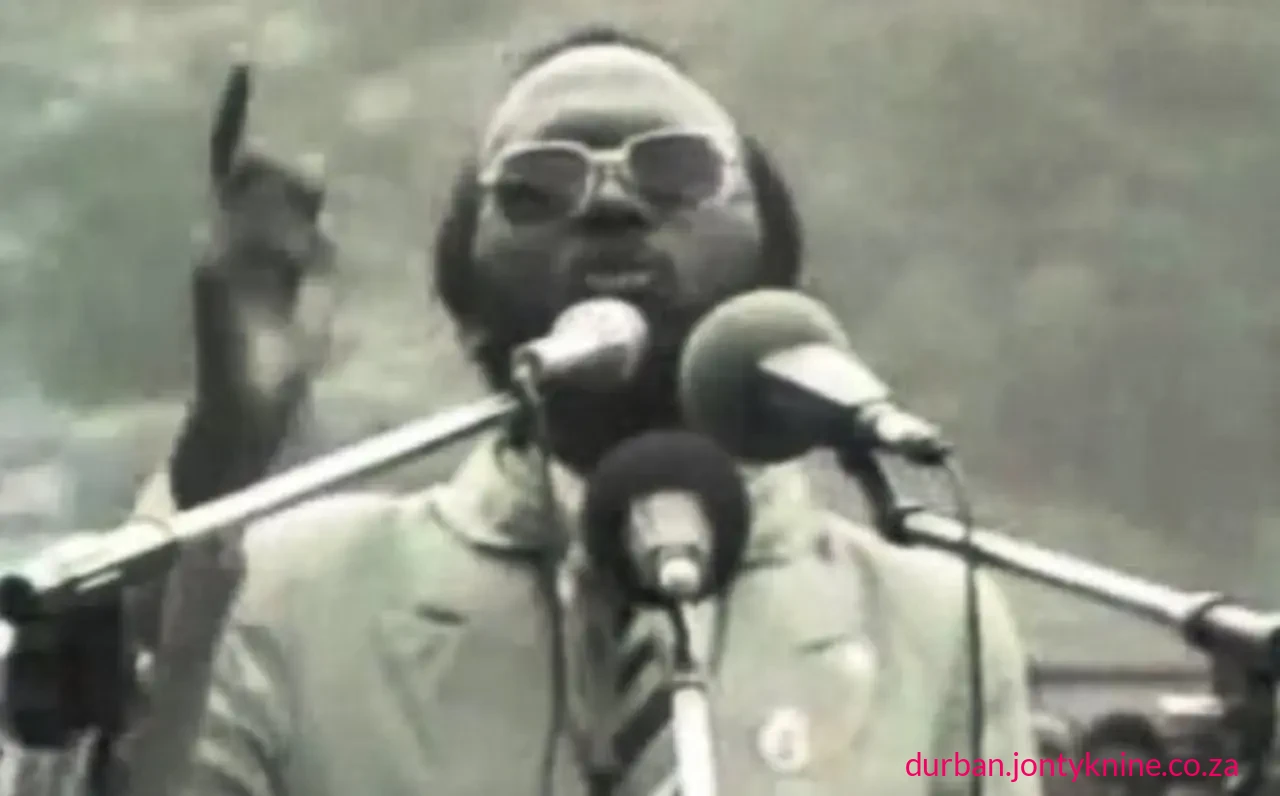
He arrived in Canada in August 1993 with his wife and children and obtained permanent resident status. Canadian authorities began deportation proceedings in the mid-1990s after information emerged about a speech he delivered on 22 November 1992 in Kabaya (Gisenyi prefecture), Rwanda. As a senior figure in the ruling MRND party (vice-chairman for the prefecture), he addressed roughly 1,000 party members in Kinyarwanda. The speech contained highly inflammatory anti-Tutsi rhetoric, including references to Tutsis as inyenzi (“cockroaches”), calls to take responsibility and eliminate them, warnings that “anyone whose neck you do not cut is the one who will cut your neck,” and suggestions that they should be sent “back” to Ethiopia via the Nyabarongo River (a historically loaded reference linked to earlier violence and mass drownings). Critics and later courts viewed it as an early public articulation of genocidal ideology by a ruling-party official, later amplified by radio (including RTLM) and cited as contributing to the climate that preceded the 1994 genocide, in which an estimated 800,000–1 million Tutsis and moderate Hutus were killed.
An arrest warrant was issued in Rwanda shortly after the speech; Mugesera fled (via Spain) and reached Canada. Deportation proceedings under the Immigration Act cited reasonable grounds to believe he had engaged in incitement to murder, hatred, genocide, and crimes against humanity. The case moved through multiple levels: Immigration and Refugee Board decisions ordering deportation, Federal Court review, a Federal Court of Appeal decision that largely set aside key findings, and ultimately a unanimous Supreme Court of Canada ruling on 28 June 2005 (Mugesera v. Canada (Minister of Citizenship and Immigration), 2005 SCC 40). The Supreme Court restored the deportation order, finding sufficient grounds that the speech constituted prohibited acts under Canadian immigration law and international criminal law standards (drawing on ICTR jurisprudence and Canadian hate-speech principles).
Removal was delayed for years afterward by further litigation focused on risk of torture or unfair treatment in Rwanda, diplomatic assurances from Kigali, Rwanda’s abolition of the death penalty (2007), pre-removal risk assessments, and last-minute applications (including to the UN Committee Against Torture and Canadian courts). On 23 January 2012, after Quebec Superior Court and Federal Court rejections of final stays, Canadian Border Services Agency officers removed him from Montreal; he arrived in Kigali the following day.
In Rwanda he was tried and, on 15 April 2016, convicted of public incitement to commit genocide, persecution as a crime against humanity, and related charges, and sentenced to life imprisonment. He has continued to challenge aspects of his treatment and Canada’s residual obligations from the diplomatic assurances, though Canadian courts have largely declined to impose ongoing legal duties on Canada post-removal.
The case is frequently cited in Canadian immigration and refugee law for its treatment of hate speech, incitement, and crimes against humanity as grounds for inadmissibility, as well as for illustrating the lengthy procedural timelines that can arise in complex removal cases involving international crimes allegations. Mugesera has consistently maintained that his remarks were taken out of context or misinterpreted. The speech itself remains a key historical document in analyses of the rhetorical buildup to the 1994 genocide.