

Police later recovered a journal (described as five A4 pages or a diary/notebook) titled “Enemies of the Boerevolk” (or variants such as “The Enemies of the Boer”), which listed politicians, businesspeople, and other prominent figures he viewed as enemies of the white race/Boer people who “needed to be dealt with.”
The incident
The confrontation began on Sunday, 16 August 2026, when van Dalen fired on a neighbour’s vehicle without warning. Responding officers came under fire; the Tactical Response Team and later the Special Task Force were involved. The exchange damaged police vehicles, and one officer was wounded in the shoulder. By Monday evening, the Special Task Force stormed the property, killed van Dalen, and rescued two women who had been trapped in a neighbouring house.
Neighbours (including farm owner Karl Smith, according to reports) described van Dalen as having lived alone on the property for about nine months with no friends. He allegedly terrorised residents by cutting tyres, damaging a vehicle radiator with a screwdriver, and repeatedly accusing people of wanting to murder him. He reportedly wore a bulletproof vest daily and drove a bulletproof vehicle. Shortly before the standoff, he posted on Facebook claiming corrupt local police and “cartel bosses” were coming to “take him out,” stating “No surrender. I die on my feet. I won’t live on my knees.”
Seized items and the list
Police recovered:
- A modified AR-15-style assault rifle (extended barrel and suppressor), a shotgun, pistols, and substantial ammunition/magazines.
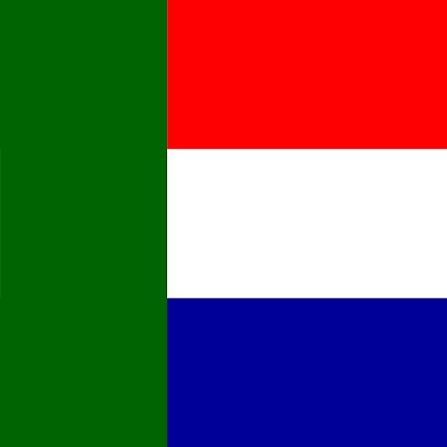
- Several Vierkleur flags (the historical flag of the Zuid-Afrikaansche Republiek / former Boer republic).
- A symbol resembling a Sonnenrad (sun wheel, appropriated by some neo-Nazi groups).
- Notebooks/journals, including the “Enemies of the Boerevolk” list.
Provincial Deputy Commissioner for Crime Detection Bongani Maqashalala (also spelled Maqhashalala in some reports) described the journal’s contents as deeply troubling. It named prominent South Africans across multiple provinces (Western Cape, Mpumalanga, Gauteng, and reportedly Eastern Cape and KwaZulu-Natal), portraying them as self-appointed enemies of the white race. Authorities have withheld the specific names to avoid causing unnecessary public alarm or panic. Counterintelligence is involved to determine whether van Dalen acted alone or had links to a wider extremist network; police noted that the journal indicated extremist beliefs.
An inquest docket has been opened, and the Independent Police Investigative Directorate (IPID) is reviewing the police operation. Acting National Commissioner Puleng Dimpane praised the officers’ courage, discipline, and tactical restraint while warning that SAPS would respond decisively to armed threats against police and the public.
Context and implications
“Boerevolk” refers to the Boer people/nation in Afrikaner nationalist and far-right discourse. Vierkleur flags and related symbols have long been associated with Boer republican nostalgia and, in extremist fringes, with white separatist or supremacist ideologies. South Africa has a history of right-wing extremist plots (e.g., the early-2000s Boeremag treason cases involving plans for violence to restore a Boer republic), though large-scale organised capability has been limited. Isolated individuals or small cells expressing violent ideologies continue to surface periodically amid broader societal tensions around crime, land, race, and politics.
Police have emphasised that the investigation is ongoing and that releasing names would be counterproductive. Coverage across outlets (News24, The Citizen, Briefly, EWN, Netwerk24, NovaNews, and others) consistently reports the core facts of the standoff, the weapons/flags, and the existence of the list, while noting the caution around specifics. Some social-media commentary has framed van Dalen as a targeted “farmer” or victim of corrupt police; primary reporting and neighbour accounts instead describe a prolonged pattern of local harassment culminating in an armed confrontation that police ended with lethal force after he fired on officers.
As of the latest available reports (around 19–20 August 2026), no public confirmation has emerged of organised group membership, specific targets’ identities, or concrete attack plans beyond the journal’s content. The case highlights ongoing concerns about extremist ideation, the ready availability of weapons, and the challenges of identifying lone or loosely connected threats before violence escalates. Further details are expected as the counterintelligence probe and inquest proceed.