


Hundreds of mostly documented refugees and asylum seekers—primarily from the Democratic Republic of Congo (DRC), Burundi, and smaller numbers from Rwanda, Uganda, Ghana, Mozambique, and Tanzania—had been living on the pavements outside the Home Affairs office for roughly four months. They fled their homes and businesses amid rising anti-immigration tensions and protests (including activity linked to groups such as March and March), citing violence, intimidation, looting, and forced displacement. Many had children enrolled in local schools and had built lives in Durban over years. Conditions on the roadside were harsh, involving exposure to weather, limited access to services, illness, and at least some deaths reported in the community.
The Inter-Ministerial Committee (IMC) on Migration and the Department of Home Affairs offered two main options: reintegrate into local communities (finding safer areas) or relocate to Lindela. After consultations, authorities proceeded with a voluntary relocation to Lindela for those who accepted it. On the morning of Tuesday, 15 September 2026, five buses transported 274 people (out of an initial ~278 who had agreed; a few withdrew) to Lindela. Those transferred included approximately 191 from the DRC, 76 from Burundi, 5 from Uganda, and one each from Mozambique and Ghana. Law enforcement escorted the convoy, Gift of the Givers provided food parcels, and municipal workers later cleaned the Che Guevara Road site of rubbish, bedding, and other debris. Government statements confirmed the individuals had verified legal status (refugees or valid asylum seeker permits). Discussions with the UNHCR about possible third-country resettlement were ongoing.
The group that stayed
Roughly 100–200 people (reports vary; common figures are “more than 200” initially refusing or “about 150” remaining) declined the Lindela move. They cited fears that Lindela—a facility primarily used to hold undocumented migrants pending deportation—is associated with violence, corruption, and human rights concerns, and they worried about an uncertain future or eventual deportation despite holding documentation. Many emphasized strong ties to Durban (including children’s schooling) and a desire to reintegrate locally rather than leave the city.
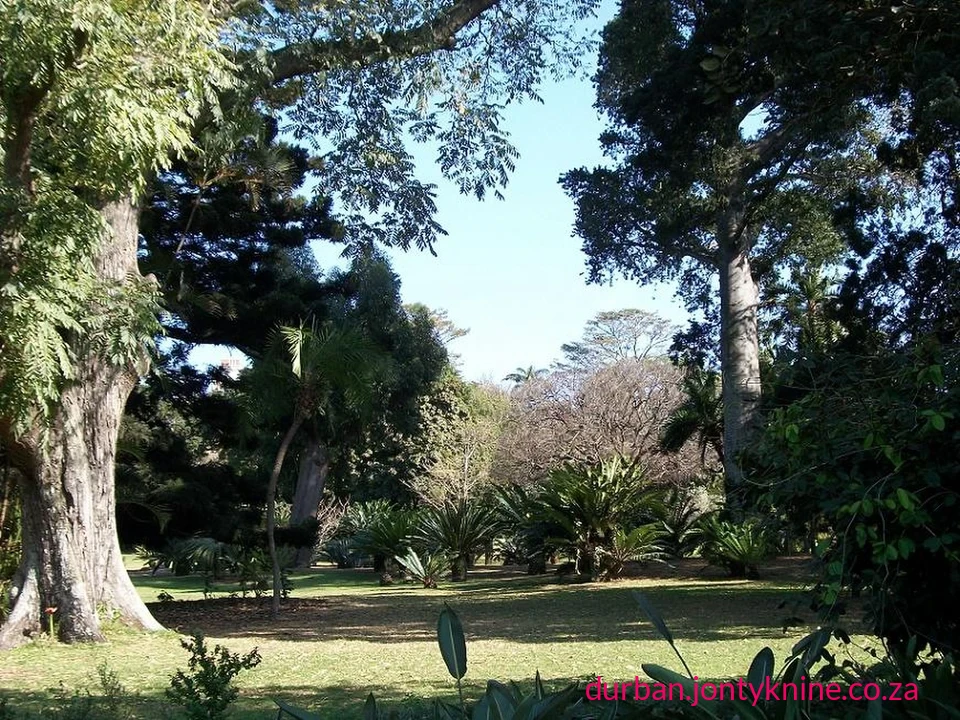
This group temporarily moved to Bulwer Park / Stella Park in Glenwood as a logistics and meeting point near the original site. It was not intended as a permanent occupation. Humanitarian volunteers (notably from Durban Cares, led by Cathryn Aylett, and other groups) used the park to register people, plan transport for women and children, and arrange temporary shelters or family placements. Rain complicated matters; tarpaulins used for cover were ordered removed by land invasion units under threat of arrest for creating structures. By the following day (Wednesday, 16 September), most or all had been moved onward: reports indicate around 139 men, 24 children, and 56 women were placed in various shelters or with families. Locations were not publicly disclosed due to safety concerns about possible targeting by anti-immigrant groups.
Local and community responses
- Residents and ratepayers in Glenwood (including the Glenwood Ratepayers and Residents Association and Bulwer Safety and Urban Regeneration Forum) expressed relief that the long-standing Che Guevara Road encampment was cleared, noting prior impacts on crime, sanitation, and quality of life. However, the brief presence at Bulwer Park raised fresh worries about public space use, security, and potential recurrence. The Glenwood Urban Improvement Precinct (UIP) monitored the situation with Metro Police, SAPS, and its own security, cleaned up discarded belongings, and announced plans to install a high-end rotating security camera in the park (pending internet connectivity) to deter crime and land invasions. The park hosts facilities such as a library, outdoor gym, arts society, and councillor’s office; stewards already patrol parts of the week.
- Businesses nearby (e.g., Stella Sports Club restaurant) reported temporary disruption, lost customers due to road issues, and security concerns when people sought to use ablution facilities.
- Activists and NGOs voiced concerns about the welfare, safety, and reintegration prospects of those who stayed, calling for better coordination, protection from attacks, safe temporary accommodation, and support to resume ordinary lives (e.g., restarting small businesses such as hairdressing). Some refugees publicly stated they wanted peaceful reintegration and asked the public not to attack them upon return to communities.
- Anti-immigration voices (including SA First Forum) welcomed the clearance of the roadside site as enforcement of by-laws against public sleeping and sanitation violations, while stating they do not oppose legal foreign nationals.
Broader context and ongoing issues
This episode forms part of wider 2026 pressures in KwaZulu-Natal and nationally around migration, documented vs. undocumented status, xenophobic incidents, and government responses (including other camps and repatriation efforts involving larger numbers of nationals from countries such as Malawi). Lindela itself has a long history of controversy regarding conditions and its dual role in immigration enforcement. Officials stressed that reintegration means finding secure areas rather than necessarily returning to exact previous locations, and that assistance remains available for those with verified documents who stayed behind.
As of the latest reports (around 16 September 2026), the Che Guevara Road site had been cleaned, the bulk of the group that accepted the move was at Lindela, and the remainder who stayed in Durban had been dispersed from the park into temporary arrangements while reintegration efforts continued. The situation remains fluid, with safety, documentation support, community relations, and longer-term solutions (including possible UNHCR pathways) still key unresolved elements. Numbers and exact park naming (Bulwer vs. Stella) vary slightly across outlets, reflecting the fast-moving nature of the events.