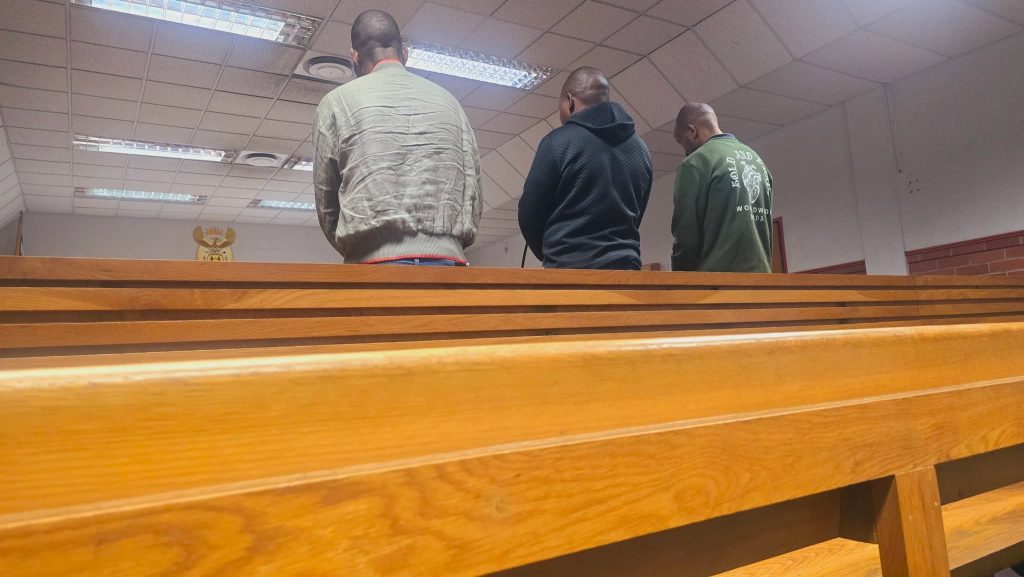
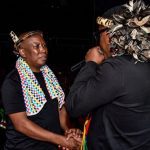
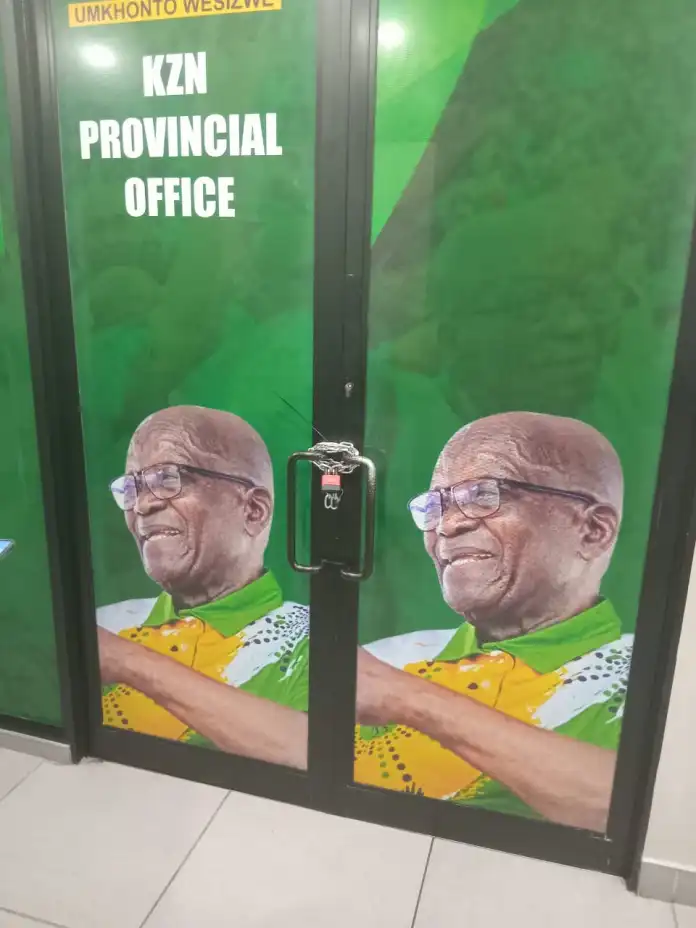
The gathering, organised by faith leaders and attended by hundreds of MK Party supporters, was intended as a prayer for peaceful elections ahead of the 4 November 2026 municipal polls. Protesters interrupted proceedings by chanting and waving placards, primarily over grievances that legitimate, branch-nominated candidates had been improperly removed from lists submitted to the Independent Electoral Commission (IEC) and replaced with others. Many of the protesters were from eThekwini (Durban metro).
Zuma acknowledged awareness of “illegal acts” or irregularities in the list process but stated that protests would not resolve the issues at this stage. He then asked for the protesters to be removed from the marquee. The prayer meeting continued inside, while the group remained vocal outside.
Broader context of the candidate list dispute
This incident stems from wider internal turmoil in the MK Party regarding candidate selection for its first local government election contest. Allegations of list manipulation (removal of duly nominated candidates and substitution of others) surfaced after submissions to the IEC, affecting areas including KwaZulu-Natal (especially eThekwini), Mpumalanga, Free State, and elsewhere. Zuma ordered an investigation, removed officials such as Zandile Hlophe-Mkhwanazi (previously announced as eThekwini mayoral candidate) and Sibonelo Maphumulo from the National Party Liaison Committee, and disbanded the presidential task team. A new mayoral candidate (Apostle Mxolisi Phakathi) was later named for eThekwini.
Some affected members have threatened not to vote if those responsible for alleged fraudulent inclusions are not arrested or removed. Party secretary-general Sibonelo Nomvalo has said the leadership is addressing the complaints, has already acted on discovered irregularities, understands the potential impact on 4 November outcomes, and remains confident of strong performance—particularly in eThekwini—describing the party as an alternative voice. He and others have urged focusing on the elections rather than immediate disruption.
The MK Party, which performed strongly in the 2024 national elections as the third-largest party, has faced additional challenges including reported cash-flow issues affecting campaign preparations and ongoing internal disciplinary or expulsion disputes in other contexts. The local elections on 4 November 2026 will test its organisational cohesion and ability to translate national support into municipal gains.
Video footage and reports from the Durban event circulated widely, showing the interruption and Zuma’s response. The episode highlights tensions between grassroots expectations around candidate selection processes and central leadership control in a relatively young party navigating its first local polls.