





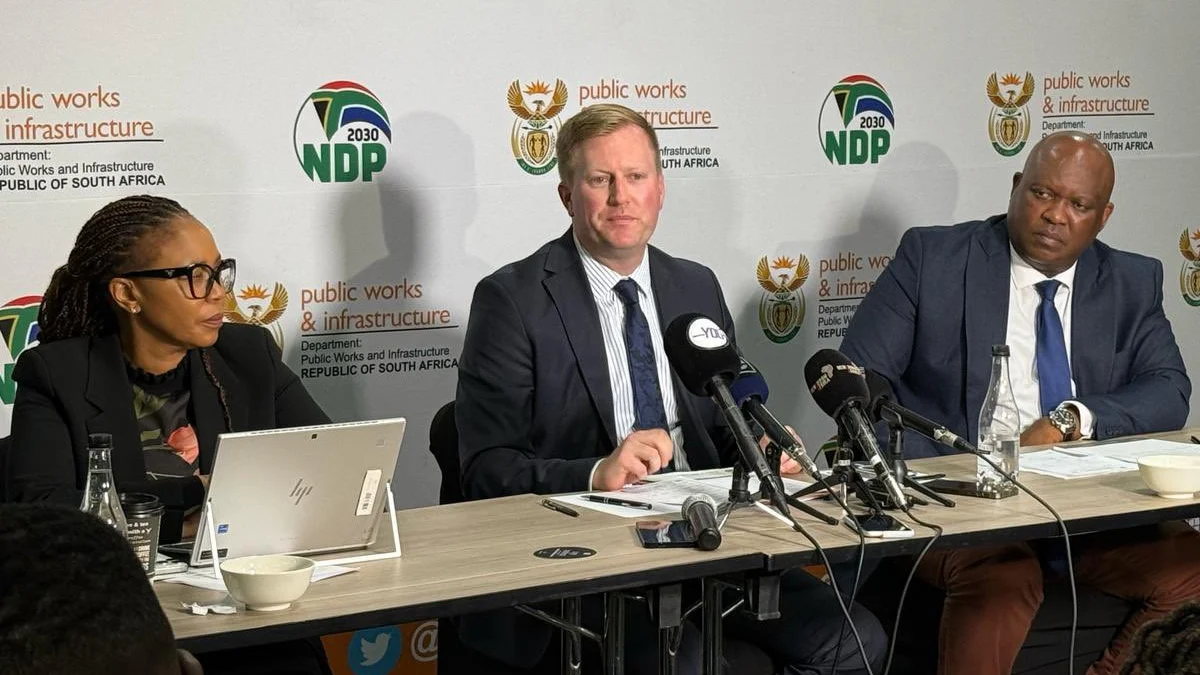
President Cyril Ramaphosa announced the plan in his February 2026 State of the Nation Address. The company will oversee roughly 88,000 buildings and 5 million hectares of land. Public Works and Infrastructure Minister Dean Macpherson has been a key driver of the initiative since taking office in mid-2024.
Background and Rationale
The South African government is the country’s largest property owner, but years of neglect, corruption, and poor management have left many assets in disrepair, vacant, or occupied by squatters. There is a significant maintenance backlog (estimates around R28–30 billion). Government departments and entities also spend about R6 billion annually leasing private office space instead of using state-owned buildings.
The SANPC aims to:
- Centralise and professionalise asset management.
- Shift underutilised properties into productive use.
- Redirect the ~R6 billion in private lease spending toward developing and maintaining state precincts.
- Generate revenue, create jobs, and stimulate construction and the broader economy.
- Unlock value that could eventually help anchor or contribute to a sovereign wealth fund-style vehicle (“a dividend-paying engine for the nation”).
The Department of Public Works and Infrastructure remains the constitutional custodian of state land and buildings; the new company is intended to act as an active commercial manager focused on professional asset management, development, and operations.
Recent Developments (September 2026)
In late September 2026, Macpherson confirmed that Middle East sovereign wealth funds (which manage trillions of dollars) have advised South Africa to create a dedicated fundraising vehicle as part of the plan. Authorities have held discussions with the Johannesburg Stock Exchange (JSE) about structuring a development fund to raise capital for projects linked to the property company. Macpherson did not name the specific Gulf funds.
He made the comments from Dubai, where he was scheduled to meet potential investors. South Africa has been actively courting Gulf capital to help close a large infrastructure funding gap. The country estimates it needs about R1.6 trillion in public-sector investment plus R3.2 trillion from private sources to meet its infrastructure targets by 2030. Officials see the property portfolio and associated fund as one way to mobilise private and institutional capital while reducing reliance on strained public finances.
Funding and Operating Model
Proposed mechanisms include:
- Accommodation fees paid by government departments occupying state buildings.
- A development fund to capitalise the company and finance specific projects.
- Public-private partnerships (PPPs) for targeted development.
- Potential future options such as trading assets, selling equity stakes, or raising debt against the portfolio for social infrastructure.
The long-term vision positions the professionally managed property book as a foundation that could evolve into, or support, a broader sovereign wealth-style structure.
Context and Challenges
This adds another entity to South Africa’s already large SOE landscape (more than 120 government-run companies). Many existing SOEs have struggled with governance, profitability, and the need for repeated bailouts. Proponents emphasise strong governance structures, commercial discipline, and transparency to avoid repeating past failures. The initiative aligns with the multi-party coalition government’s approach of retaining control over most state assets while trying to make them more productive.
Critics and observers note the risks of creating yet another SOE, the scale of the maintenance backlog, and the difficulty of turning neglected assets into investment-grade real estate. Success will depend on execution, independent professional management, and attracting private capital without repeating historical mismanagement patterns.
In summary, the SANPC represents a major attempt to convert South Africa’s vast but poorly managed state property holdings into a revenue-generating, professionally run platform that can help fund infrastructure and support economic recovery. The latest push involves Gulf expertise and capital-markets structures (including a potential JSE-linked development fund) to accelerate that process.