

Decline in Flows to Isipingo Wastewater Treatment Works
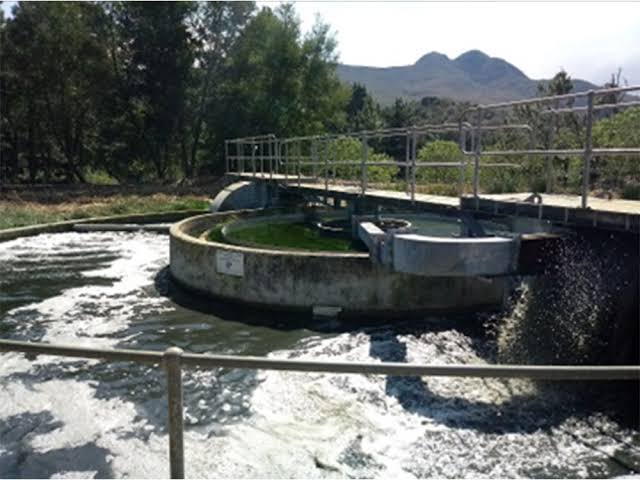
Municipal records show a clear drop in the average daily volume of effluent (wastewater) reaching the Isipingo Wastewater Treatment Works (WWTW) south of Durban. This is primarily attributed to leaks and failures in the sewer pipeline network feeding the plant. Earlier data illustrates the scale: average daily flow to Isipingo fell from 12,471 kilolitres per day (kl/d) in December 2021 to 5,261 kl/d in December 2025—a reduction of more than half.
Similar sharp declines have been recorded at other plants over the same period (e.g., New Germany from 1,207 kl/d to 66 kl/d; Kingsburgh from 5,463 kl/d to 2,628 kl/d; and even larger absolute drops at major works such as Southern). Overall, the percentage of generated effluent actually reaching treatment works has fluctuated between roughly 60% and 84% in recent monthly statistics, with significant volumes “lost” through leaks, overflows, illegal connections, blockages, and infrastructure damage before treatment can occur.
Isipingo WWTW serves communities including Isipingo and Umlazi and discharges treated (or partially treated) effluent into the Isipingo River, which flows to the sea and affects nearby beaches and the estuary. The plant itself has faced long-standing upgrade challenges: a professional services contract awarded around 2022 saw costs escalate dramatically (from an initial ~R60 million estimate to around R206 million) due to expanded scope, design changes, and other factors, with completion delayed by years (now targeted around mid-2028).
These “missing” flows mean untreated or poorly managed sewage enters the environment via overflows, broken pipes, or direct discharges—contributing to river and coastal pollution, elevated E. coli levels, fish kills (including recent incidents in the Isipingo estuary linked to pipeline damage and cable theft), beach closures, and public health risks.
The R4.6 Billion Funding Need and Green Drop Compliance
At the same Exco meeting, Vilane reported that the municipality requires an estimated R4.6 billion to refurbish all its Wastewater Treatment Works to achieve Green Drop compliance. As of the end of June 2026, the directorate had reached only 46% wastewater Green Drop compliance against an annual target of 90%. About 235 of 261 pump stations were functional at that point, though numbers fluctuate due to ongoing issues.
The Green Drop Certification programme, run by the national Department of Water and Sanitation, rigorously audits municipal sewage treatment plants, networks, and pump stations on criteria including capacity management, environmental performance, financial management, technical competence, and effluent/sludge compliance. Scores of 90%+ earn certification (excellence); below ~31% indicates a critical state. National trends in the 2025 Green Drop Report (covering the 2023/24 period, released around March 2026) show deterioration: the share of systems in a critical state rose, and certifications fell. eThekwini has been flagged with multiple systems in critical or poor condition, reflecting ageing infrastructure operating beyond design life, capacity shortfalls, and operational failures.
Vilane noted that continuing to run facilities past their lifespan directly undermines compliance scores. Assessments focus on actual on-the-ground condition and performance, regardless of the municipality’s operational or financial difficulties. Low scores carry serious consequences: environmental and public health harm, reputational damage (especially to Durban’s tourism sector reliant on clean beaches), and potential criminal liability for responsible officials under environmental and water legislation.
Broader Context and Contributing Factors
The crisis is multi-layered and long-building:
- Ageing and flood-damaged infrastructure: Much of the sewer network and treatment plant equipment has exceeded its design life. The catastrophic April 2022 floods caused widespread damage to pipelines, manholes, and works; recovery has been incomplete. Power interruptions, difficult topography, and sedimentation/siltation further reduce capacity.
- Population growth and urbanisation: Rapid growth (including informal settlements and densification) has pushed many works beyond or near design capacity. New developments sometimes lack proper sewer connections, leading to illegal discharges into stormwater systems.
- Vandalism, theft, and misuse: Cable theft, stolen manhole covers, disposal of inappropriate materials (fats, oils, grease, rags, foreign objects), and abuse of the system are chronic problems, causing pump failures, blockages, and overflows. Pump stations are particularly vulnerable.
- Funding and maintenance shortfalls: Inadequate capital investment over years, budget constraints, and competing priorities have limited proactive rehabilitation. Sewer faults have surged at times (e.g., reported faults tripled in early 2026 periods). High non-revenue water losses (treated drinking water lost to leaks, etc., often reported in the 50–65% range) compound overall water-system strain.
- Operational and access challenges: Limited municipal access for maintenance in some rural, traditional authority, or informal areas; issues with alternative sanitation (VIP/urine-diversion toilets); and high maintenance costs.
Opposition parties (notably the DA), environmental groups such as WaterCAN, ratepayer associations, and court processes have repeatedly highlighted failures. There have been criminal cases opened against the municipality for pollution incidents in areas including Isipingo, Phoenix, Umlazi, and others. A December 2025 High Court ruling declared certain operations unlawful (including running some works without valid water-use licences) and ordered improved monitoring, public communication of water quality, and remedial steps.
Implications and Ongoing Responses
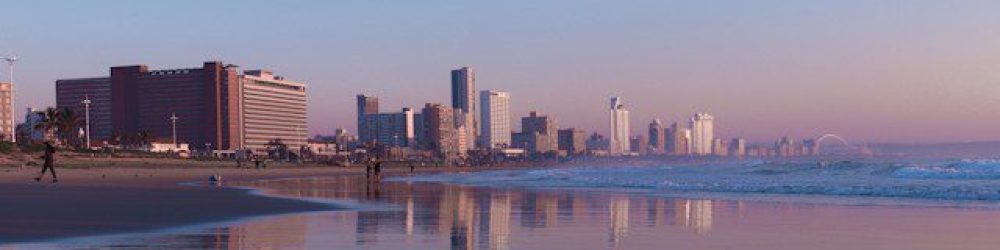
Environmentally and socially, the impacts are significant: polluted rivers and estuaries, beach closures that harm tourism and recreation, risks of waterborne disease, damage to ecosystems (mangroves, fish populations), and reduced quality of life for residents dealing with sewage spills, odours, and unreliable services. Economically, it deters investment, raises costs for ratepayers, and strains the city’s finances further.
On the response side, the municipality reports proactive maintenance and sewer rehabilitation programmes, commitments of over R1 billion in capital for mechanical upgrades, pump station work, sludge management, and key rehabilitations (e.g., at KwaMashu, Amanzimtoti, Umhlanga). Longer-term plans have floated multi-billion-rand investments over a decade across WWTWs, networks, pump stations, and alternative sanitation. Support from the Presidential Working Group / intergovernmental efforts and partnerships (including with uMngeni-uThukela Water for some systems) has been cited as helping stabilise certain plants and improve some compliance metrics. Wastewater reuse projects for potable water are also in development as a longer-term resilience measure.
However, progress remains uneven. Compliance is still far below targets, upgrade projects face delays and cost overruns, and systemic issues (funding, enforcement against vandalism/theft, capacity building, and sustained maintenance) persist. National Green Drop findings and independent analyses underscore that many South African municipalities face similar pressures, with “missing” wastewater volumes (leaks before treatment) representing a widespread under-reported problem.
In summary, the Isipingo flow decline and the R4.6 billion estimate are symptoms of deeper, multi-decade under-investment, compounded by disasters, growth pressures, and governance/operational challenges. Achieving Green Drop standards would require not only capital for refurbishment but sustained operational excellence, stronger enforcement, community cooperation to reduce misuse, and realistic multi-year funding secured against competing municipal priorities. Without accelerated, accountable action, environmental, health, and economic costs will continue to mount for Durban and its residents.