




The issue was reported by eNCA on 30 September 2026. Locals who have lived in the area for years described the problem as persistent and hard to ignore. They say the fumes are impacting residents’ well-being and property. A local environmentalist, while previously unaware of the specific complaints, advised people to report the matter to the relevant authorities. At the time of the broadcast, the KwaZulu-Natal Department of Health had not responded to eNCA’s queries.
Context around Addington Hospital and the location
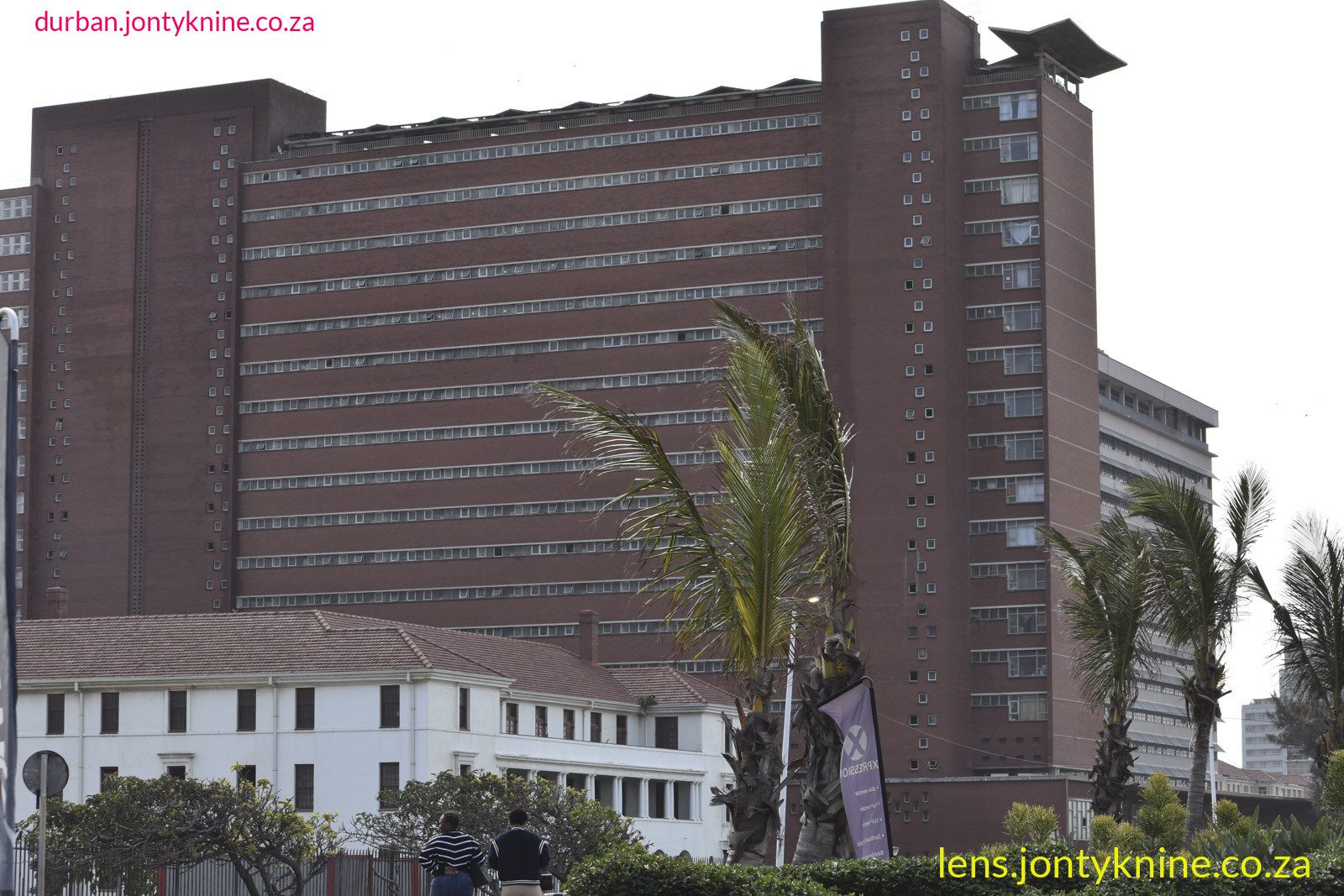
Addington Hospital is a district and regional public facility with around 471 beds, located on Erskine Terrace at South Beach in Durban. It serves a high-volume patient load in a densely populated coastal urban area. The hospital has a long operational history but has faced repeated infrastructure and operational challenges over the years (including past fire incidents involving smoke spread, lift failures, and maintenance shortfalls). The surrounding South Beach / Point area mixes residential properties, tourism-related activity, and proximity to the harbour and city centre.
Smoke or odour complaints of this type at hospitals commonly relate to on-site or nearby handling of healthcare risk waste (medical waste). South African hospitals generate significant volumes of infectious, pathological, pharmaceutical, and other hazardous waste. Incineration has historically been a dominant treatment method in the country, though many facilities rely on ageing or inadequately maintained equipment. Poorly controlled incineration can release particulate matter, acid gases, heavy metals, dioxins, furans, and other pollutants. These can produce strong, unpleasant odours and raise air-quality and health concerns for nearby communities, especially under certain wind or atmospheric conditions.
Broader studies and civil-society reports on healthcare waste management in South Africa (including KwaZulu-Natal) have highlighted ongoing issues with outdated incinerators, incomplete waste tracking, regulatory enforcement gaps, and community exposure risks. Non-incineration alternatives (such as autoclaving or other technologies) exist and are promoted in some policy discussions, but implementation varies. Separate regional medical-waste treatment facilities also operate in KZN, but on-site practices or temporary measures at individual hospitals can still generate local emissions.
Health and environmental implications
Residents’ reports of health effects and property damage align with known risks from uncontrolled combustion emissions. Potential short-term effects of exposure to smoke and associated pollutants can include respiratory irritation, coughing, eye and throat discomfort, and exacerbation of existing conditions such as asthma. Longer-term or repeated exposure to certain combustion by-products (e.g., fine particulates or dioxins) is associated in scientific literature with broader respiratory, cardiovascular, and other health risks, though specific attribution in any single case requires investigation and monitoring data.
Durban already has a documented history of industrial and other air-pollution concerns (particularly in the South Durban Basin, though Addington sits further north on the beachfront). Community groups in the city have previously raised issues around refineries, chemical incidents, illegal dumping, and waste-related fires. Foul-smelling smoke can also reduce quality of life, affect outdoor activities, and raise anxiety even when pollutant concentrations fall below formal ambient standards.
Official response and next steps
As of the latest available reports (tied to the 30 September 2026 coverage), no detailed public statement or findings from the KwaZulu-Natal Department of Health, eThekwini Municipality’s environmental health or air-quality units, or the hospital management had been widely reported. Residents are pressing for accountability, transparency about the source of the smoke (e.g., incinerator, boiler, waste storage, or other process), monitoring results if any exist, and corrective action.
Typical pathways for such complaints in South Africa include:
- Formal reports to the municipal environmental health or air-quality office.
- Escalation to the provincial Department of Health and the Department of Forestry, Fisheries and the Environment (or provincial environmental affairs).
- Possible involvement of the South African Human Rights Commission or civil-society organisations focused on environmental justice if the issue persists without resolution.
- Requests for emission monitoring, stack testing (if an incinerator or similar source is involved), and review of the hospital’s waste-management and environmental authorisations.
Without independent air-quality measurements or an official investigation report, the exact composition, concentration, and source of the smoke remain unconfirmed publicly. The residents’ descriptions of “toxic, foul-smelling” emissions, however, underscore the need for prompt investigation given the hospital’s location amid residential areas.
This episode fits into wider patterns of tension between essential healthcare infrastructure and neighbouring communities over environmental externalities in South African urban settings. Proper waste segregation, modern treatment technologies, regular maintenance, and transparent communication are repeatedly identified as key factors in reducing such conflicts. Further updates from authorities or additional local reporting would be needed to clarify the cause and any remedial steps.