






The throttling began around October 14, 2026. Ukrainian forces noticed that Starshield terminals (the secure, military-oriented version of SpaceX’s Starlink satellite internet) would drop connections or limit performance once drones exceeded certain speeds. This hampered both strike drones targeting Russian positions/refineries and interceptors defending against Russian missiles and jet-powered drones. Civilian/commercial Starlink was less affected in the same way, but the military-grade service is critical for Ukraine’s modern drone-centric warfare.
Who ordered the original slowdown remains contested and has produced conflicting accounts:
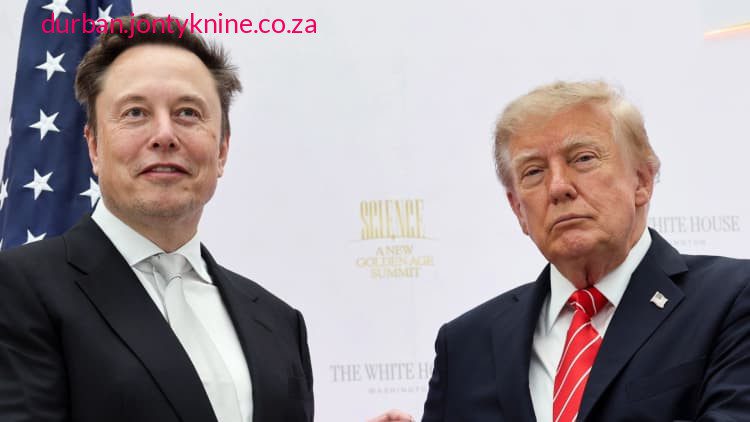
- An earlier WSJ report (October 20–21) said Musk ordered the slowdown. It cited U.S. officials and people familiar with the matter. Musk and Trump had both criticized Ukraine for recent attacks on Russian diesel refineries (which Trump has linked to higher energy prices). Some accounts said Musk discussed the issue with Trump and senior administration officials beforehand; others portrayed Musk as acting more unilaterally.
- Musk publicly stated on X that “Starshield systems are owned and controlled by the US government. Any limits on speed or usage are decided by the US military and ultimately POTUS.” He distinguished this from commercial Starlink, which SpaceX controls and which is limited to civilian/defensive uses.
- Trump repeatedly denied ordering the restrictions, saying at various points that he “didn’t do that,” heard about it through the media, and did not know who was responsible (while sometimes adding he would like to find out). Secretary of State Marco Rubio also stated the administration had no foreknowledge and that decisions on access belong to Musk/SpaceX.
- Some earlier reporting (including Reuters citations of officials) suggested White House involvement or direction, but this has been disputed by the administration.
The restrictions followed heightened tensions between the Trump administration and Ukraine, including public criticism of Ukrainian President Volodymyr Zelenskyy and pressure related to energy/refinery strikes.
Current Status (as of October 23, 2026)
Trump publicly claimed on Thursday that Musk had restored access: “The bottom line — he put it back.” When asked whether he had called Musk, Trump declined to confirm or deny, saying it “doesn’t make any difference.” He described his relationship with Musk positively.
However, Ukrainian officials, including President Zelenskyy, stated on Friday that speed limits remain in place and full functionality has not been restored. Zelenskyy said: “The speed has not been restored” / “the speed limits on Starlink and Starshield are still there.” Frontline reports described ongoing interruptions (though some noted higher speeds than during the peak of the throttling). Ukrainian commanders indicated drones traveling above roughly 100–160 km/h still faced problems. Trump indicated he would speak to Musk again if needed to “straighten it out.”
Broader Context and Implications
Starlink/Starshield has been vital to Ukraine’s defense since the early stages of the full-scale Russian invasion, enabling resilient communications in areas where traditional infrastructure is degraded or jammed. Dependence on a single private provider (and the U.S. government’s relationship with it) creates strategic vulnerability—especially when political disagreements arise over targeting, energy policy, or peace negotiations.
The episode highlights the unusual intertwining of private tech power (Musk/SpaceX), presidential influence, and wartime logistics. It has fueled debate over accountability: whether limits on dual-use commercial/military satellite services should rest primarily with a company CEO, the U.S. military, or elected officials. Ukrainian forces have limited near-term alternatives for equivalent low-latency, high-availability connectivity at scale.