




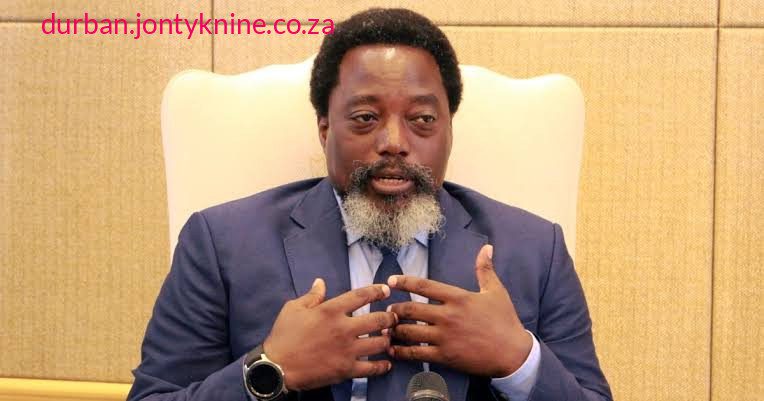
The announcement came on 12 October 2026 in Goma (the main city in North Kivu province, under M23/AFC control since early 2025). The FRN formally replaces the Alliance Fleuve Congo (AFC)–M23 alliance. Kabila was named its president; deputies include Corneille Nangaa (former electoral commission head and AFC figure), Bertrand Bisimwa (M23 political leader), and Maj. Gen. Sultani Makenga (M23 military commander). Coalition statements accuse Tshisekedi’s government of “tyranny” and say they will pursue change “by all means, including force.”
Background
Kabila ruled the DRC from 2001 to 2019. After a disputed 2018 election, he and Tshisekedi initially operated under an informal power-sharing arrangement that later collapsed. Relations deteriorated amid corruption probes, political clashes, and Kabila’s self-imposed exile (including time in South Africa). He returned to rebel-held Goma in 2025. A Congolese military court later sentenced him to death in absentia on charges including treason and war crimes linked to alleged support for M23; he has rejected the charges. The United States has also sanctioned him over purported support for the rebels.
M23, widely described as Rwanda-backed (Kigali denies directing the group while acknowledging security coordination), has controlled large parts of mineral-rich eastern DRC, including Goma and Bukavu, after major advances. The conflict has caused widespread displacement and drawn in regional actors. Peace efforts (including Qatari- and Swiss-mediated talks) have made limited progress on issues such as prisoner exchanges but little on core political or security questions.
Implications
Analysts and reports note that Kabila’s higher-profile Congolese leadership could help the rebels present themselves as a broader national alternative rather than a purely eastern or external force, potentially appealing to opponents of Tshisekedi beyond the Kivus (Kabila is from the south). At the same time, many Congolese view M23 as linked to foreign interference, and some of Kabila’s former political allies have distanced themselves or resigned. The move is widely seen as complicating already fragile peace talks and raising risks of further escalation.
The Congolese government has accused Kabila of ties to the rebels for some time; the FRN launch confirms and formalizes a direct leadership role. Coverage (including from Al Jazeera, BBC, Reuters, and the International Crisis Group) frames it as a significant setback for stability prospects in a country long marked by conflict over resources, regional rivalries, and governance.