





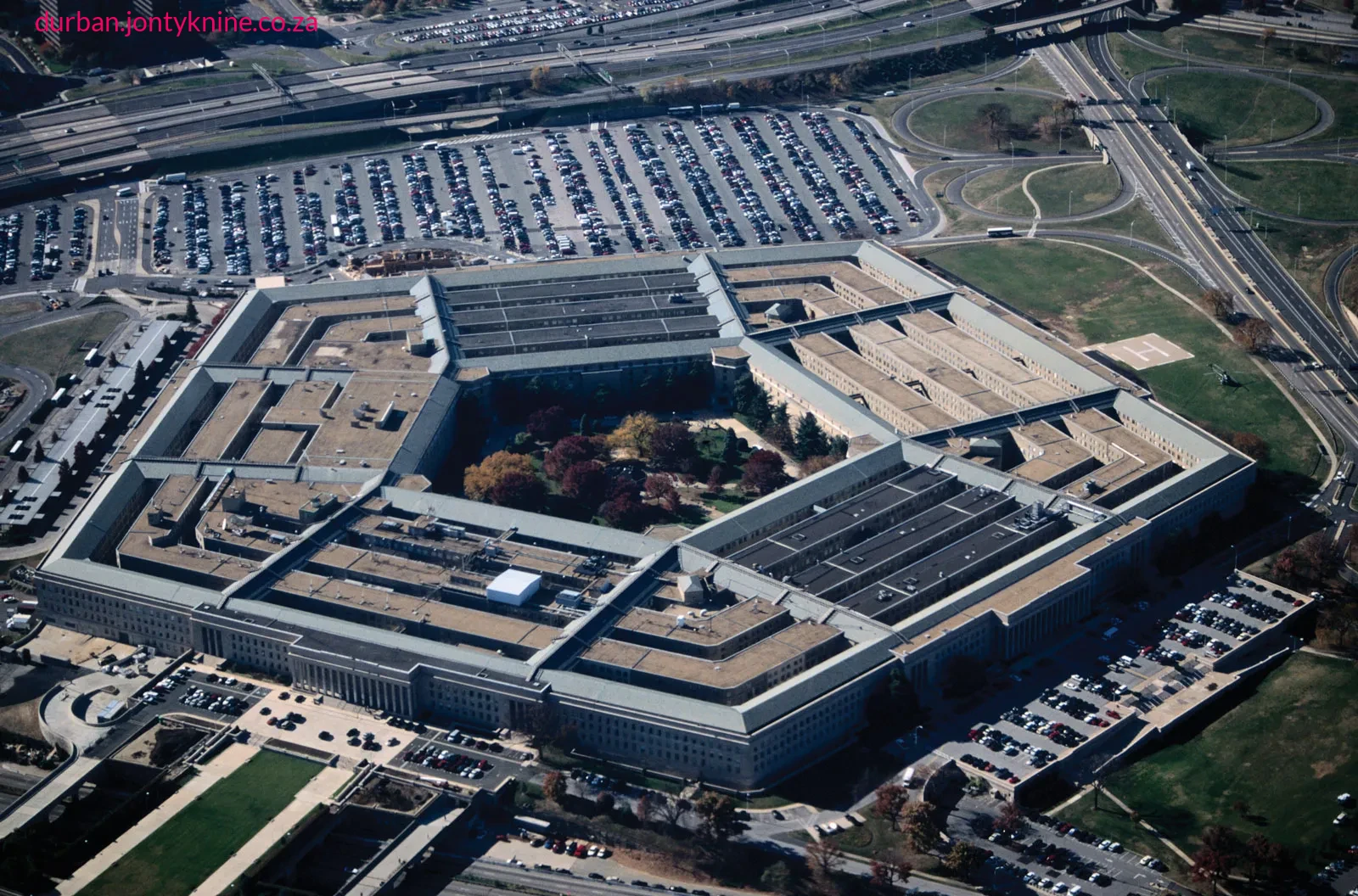
It is framed as a national “insurance policy” to ensure U.S. military bases and forces can continue operating during a major conflict that disrupts civilian infrastructure, power grids, supply chains, or critical systems on American soil (e.g., via cyberattacks, sabotage, drones, or broader war scenarios involving adversaries like China). Officials have noted that traditional assumptions about geographic isolation (“two oceans”) no longer hold, and that “power is combat now.”
Key Elements of FORTRESS
It centers on five pillars (per the Sept. 30 memo and Hegseth’s remarks):
- Energy independence: Major installations generate their own power, independent of the civilian grid (via portable/nuclear microreactors, large-scale batteries, microgrids that can island/disconnect). Existing efforts like the Janus Program (selecting vendors/sites for microreactors at bases such as Fort Benning, Fort Bragg, etc.) feed into this.
- Supply-chain and defense-industrial base resilience: Onshoring critical materials (rare earths, specialty metals, semiconductors, propellants) and preparing civilian factories to switch to defense production via mechanisms like the Civil Reserve Manufacturing Network.
- Strategic defense reserve: Stockpiles of munitions, fuel, critical minerals, electronics, spare parts, medical supplies, etc., deep enough to sustain operations if global supply lines break.
- Installation hardening and cyber resilience: Protecting bases against cyber intrusion, sabotage, and drones.
- Resilience in space and spectrum: Securing satellites, GPS alternatives, communications, and the electromagnetic spectrum.
Reporting (originating with Fox News Digital, which reviewed documents, and amplified widely) states that every major military installation in the continental U.S. would be expected to sustain essential operations (electricity, water, fuel, communications) independently for at least 90 days without outside support. Pentagon spokesperson Sean Parnell (who has led aspects of the initiative) has been quoted extensively on the risks of reliance on civilian systems and the need for self-sufficiency; he shared the Fox reporting. Snopes rates the overall claims about the initiative as “Mostly True,” noting the program is real and details broadly accurate, though official confirmation of the exact 90-day figure from the DoD was still pending in late October 2026 reporting.
A program office was stood up quickly (interim director designated), with implementation steps directed by the under secretary for acquisition and sustainment. Full costs, timelines, and exact scope across ~200 major installations remain under development and could involve significant investment over years.
Context and Related Continuity Planning
This updates and expands beyond classic Cold War-era continuity of government (COG)/continuity of operations (COOP) plans focused mainly on nuclear “decapitation” scenarios (e.g., relocation of leaders to hardened sites like Raven Rock/Site R, Mount Weather, Cheyenne Mountain, airborne command posts like the E-4B, and succession protocols). Those older plans still exist and cover preserving constitutional government and command-and-control. FORTRESS emphasizes sustained combat power and base operations amid prolonged conventional or hybrid disruptions at home.
It is distinct from pure nuclear modernization (e.g., the Sentinel ICBM program, sometimes called a “doomsday machine” in older coverage due to its civilization-ending potential if used). The 90-day self-sufficiency focus has drawn parallels to civilian preparedness guidance in places like the UK (stockpiling food/water).
In short, FORTRESS is an active, publicly announced resilience and homeland-defense effort to keep the U.S. military functional if civilian systems fail in a major war—not a secret plan for apocalypse, but a practical hardening measure against realistic modern threats. Details continue to emerge through official memos, speeches, and reporting.