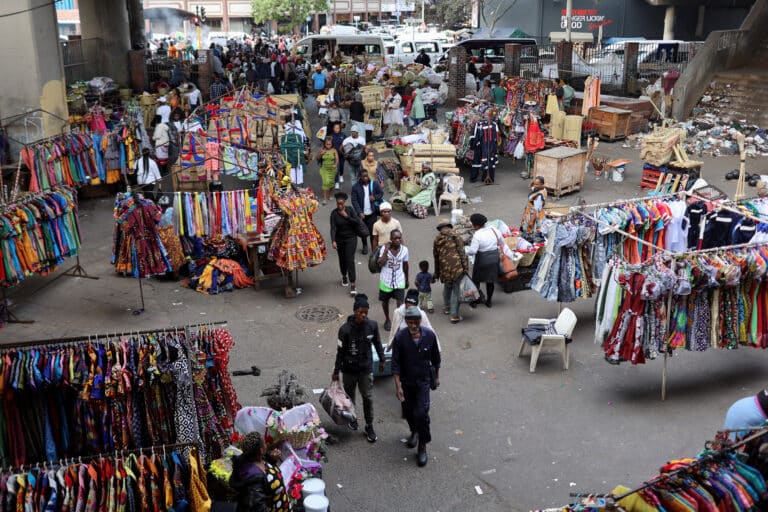




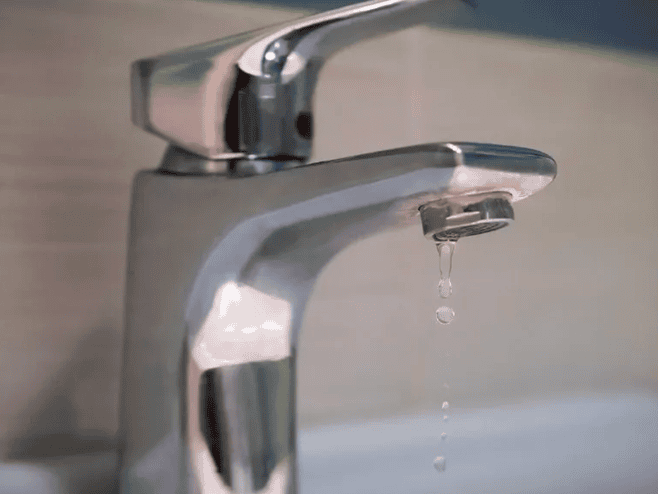
An East Coast Radio report (updated 18 August 2026) quotes local owners describing daily struggles. One noted that outages can last three days or more, making basic cleaning and operations impossible. A car-wash operator explained that water is essential to the business, so they sometimes shut down entirely; outsourcing water is both difficult and costly. These interruptions compound other challenges and erode trade, particularly for water-dependent small and medium enterprises in sectors such as hospitality, food service, cleaning, and light industry.
Immediate context: planned Southern Aqueduct work
From 06:00 on Wednesday 19 August until Friday morning (around 18:00 on 21 August in related notices), eThekwini is shutting down a 950 mm pre-stressed concrete pipeline on the Southern Aqueduct for preparatory work linked to the broader Southern Aqueduct Pipeline Upgrade Project. The existing 1 200 mm steel pipeline is intended to keep supplying western, central, and southern regions, but bulk supply will still be reduced. The municipality plans to monitor reservoir levels and may close certain outlets to preserve storage and speed recovery.
Affected areas include large parts of the central region (e.g., reservoirs serving Farningham Ridge, Hillary, Malvern, Mount Vernon, Queensburgh, Shallcross, Chatsworth sections, Westcliff, Woodlands, Yellowwood Park), the south (multiple Umlazi sections, Folweni, Ensimbini), and the Pinetown South system (Klaarwater, Phumphele, St Wendolins, Savannah Park, industrial sites). Residents and businesses have been urged to store water in advance.
This follows other recent disruptions, including a burst on the Wiggins High Pressure Main (mid-August) that left southern suburbs such as the Bluff, Merebank, Montclair, Clairwood, and surrounding areas without water for up to six days, plus earlier planned maintenance on northern aqueducts and systems.
Broader and longer-term picture
Water interruptions have become routine in parts of eThekwini due to a combination of factors:
- Ageing pipelines and treatment works, some still recovering from the 2022 floods.
- High non-revenue water (NRW) losses — reports cite figures around 55% annually and spikes to 65% in mid-2026 — from leaks (thousands reported), bursts, illegal connections, and metering issues. This wastes treated water and strains the system.
- Algae blooms reducing production at works such as Durban Heights, high seasonal demand (especially during heatwaves), electricity interruptions affecting pumps, vandalism/sabotage of valves, and contractor disputes over unpaid invoices and procurement changes that have disrupted leak repairs.
Business impacts extend beyond temporary closures. Earlier reporting (late 2025) indicated that persistent water and sanitation problems had already prompted some medium-sized firms to relocate within KwaZulu-Natal (e.g., toward iLembe or southern areas), citing the high cost and unreliability of disruptions in industrial zones. Tourism and hospitality operators have also flagged knock-on effects on visitor experiences and operations. Business confidence surveys have listed water supply among the weaker municipal services.
Municipal responses include major projects such as the R1.2 billion Southern Aqueduct upgrade (aimed at stabilising southern supply), expanded leak-repair programmes, coordination with bulk supplier uMngeni-uThukela Water, and deployment of water tankers during outages. Communication via notices, the municipal app, and social media has improved in some cases, though residents and owners frequently criticise restoration timelines and the frequency of both planned and emergency shutdowns. Experts note that progress on NRW reduction (some reports of modest improvement from ~58% toward 53%) and infrastructure renewal is necessary but still far from sufficient for reliable service; preventative maintenance, better technical capacity, and demand management remain priorities.
Practical implications and considerations
For businesses, common adaptations include on-site storage tanks, borehole or tanker arrangements (at extra cost), contingency scheduling, and in some cases temporary or permanent relocation. Hygiene, food safety, and customer-facing operations are particularly vulnerable. Residents in affected areas face similar daily hardships — difficulty cooking, bathing, or using toilets — which can spill over into workforce productivity and local demand.
Edge cases include industrial sites that may have alternative bulk arrangements or higher resilience, versus small service businesses with thin margins; informal traders and poorer households often fare worse due to limited storage or transport options. Climate variability, urban growth, and electricity reliability continue to interact with the physical network constraints. Longer-term reliability depends on sustained capital investment, effective contractor management, reduced losses, and transparent progress reporting so that businesses and communities can plan with greater certainty.
In short, the latest planned shutdown is one more episode in a protracted infrastructure challenge that is measurably raising operating costs and uncertainty for Durban businesses, even as upgrade projects attempt to address root causes.