

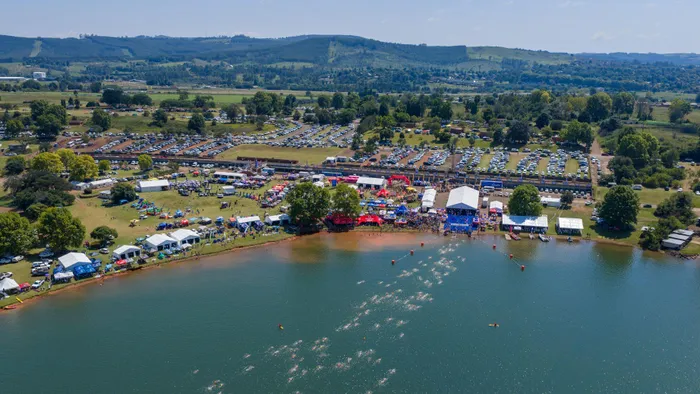
This initiative is led by the uMgungundlovu Economic Development Agency (Umeda), the economic development entity of the uMgungundlovu District Municipality. It seeks to position the scenic KZN Midlands—known for its rolling landscapes, tourism infrastructure (including the Midlands Meander arts-and-crafts route), and natural attractions—as a competitive destination for local and international film, television, and digital media productions.
Key Details of the Proposal
- Model and focus: The CEZ is designed along the lines of established Special Economic Zones (SEZs) in South Africa, such as Dube TradePort or the Richards Bay Industrial Development Zone, but with a specific emphasis on the creative and media sectors rather than traditional manufacturing or logistics. It draws inspiration from creative economic models in Spain and Portugal that have successfully attracted investment and stimulated local economies.
- Location: Centred around Midmar Dam (near Howick), a popular recreational and nature reserve area managed in partnership with Ezemvelo KZN Wildlife. The dam already hosts major events like the Midmar Mile open-water swim and supports water sports, hospitality, and tourism. Umeda is exploring collaboration with Ezemvelo to enable film productions while generating economic opportunities and balancing conservation needs.
- Supporting infrastructure and steps:
- An earlier foundation was laid with the launch of the Midlands Film Office (around April 2026). This serves as a one-stop facilitation hub for productions—handling approvals, location scouting, and connecting filmmakers with local creatives, service providers, businesses, and talent. A registration platform exists for crew and service providers (umedamidlandsfilmoffice.com or related sites).
- Longer-term ambitions include a film studio and possibly a theme park in the Midlands.
- As of mid-August 2026, Umeda reported support from the KwaZulu-Natal Tourism and Film Authority (KZNTAFA), the local municipality, and the district. Officials from KZNTAFA and the district municipality conducted site visits to identify filming locations. The next phase involves refining the concept, identifying suitable land and infrastructure, and advancing formal establishment.
Umeda CEO Mike (Michael) Newton has described the Midlands Film Office as “the foundation of a much bigger vision,” emphasising an integrated approach in which film production, tourism, and enterprise development reinforce one another to create jobs and grow the regional economy. The CEZ is intended to benefit local communities directly, especially young people and small businesses, by opening opportunities in production services, hospitality, transport, catering, and related sectors.
Broader Context and Rationale
The KZN Midlands already has strengths that align with creative industries: diverse natural landscapes suitable for filming, established tourism (arts, crafts, outdoor recreation, heritage), proximity to Pietermaritzburg and the N3 corridor (linking to Durban and beyond), and existing partnerships (e.g., Umeda’s tourism and investment drives at Midmar Dam itself, formalised earlier in 2026 with Ezemvelo).
The project fits into wider efforts to diversify the district’s economy beyond traditional sectors, attract investment, and leverage cultural and natural assets. South Africa’s film industry has grown with incentives and location appeal; regional hubs can capture more of that activity while supporting skills development and inclusive growth. KZNTAFA’s district-level stakeholder engagements reflect provincial interest in expanding the sector across multiple areas.
Potential Implications and Considerations
Opportunities include job creation (direct production roles and indirect in hospitality/tourism), skills training for local youth, increased tourism (including “set-jetting”), stimulation of small businesses and creative enterprises, and greater visibility for the Midlands. Success could mirror how dedicated creative zones elsewhere have clustered talent, infrastructure, and investment.
Challenges and nuances involve securing formal designation and incentives comparable to SEZs (which typically offer tax breaks, infrastructure support, and streamlined regulation), identifying and preparing land/infrastructure without compromising Midmar’s environmental and recreational value, coordinating across municipal, provincial, and conservation authorities, building a critical mass of local crew/facilities to reduce reliance on outside talent, and ensuring genuine community benefit rather than enclave development. Environmental sustainability is repeatedly flagged as a priority given the dam and nature reserve setting.
As of the latest reporting (18 August 2026), the initiative remains in the planning and stakeholder-engagement phase rather than fully operational. Progress will depend on continued buy-in, concept development, land/infrastructure identification, and likely further engagement with national bodies involved in SEZs or creative industry support.
In summary, the Midmar-centred Creative Economic Zone represents a deliberate push by Umeda and partners to transform the KZN Midlands into a specialised creative industries destination, building on existing tourism strengths and the newly established film office. It is an emerging project with clear strategic intent, early institutional support, and significant potential economic upside if implementation advances successfully.