





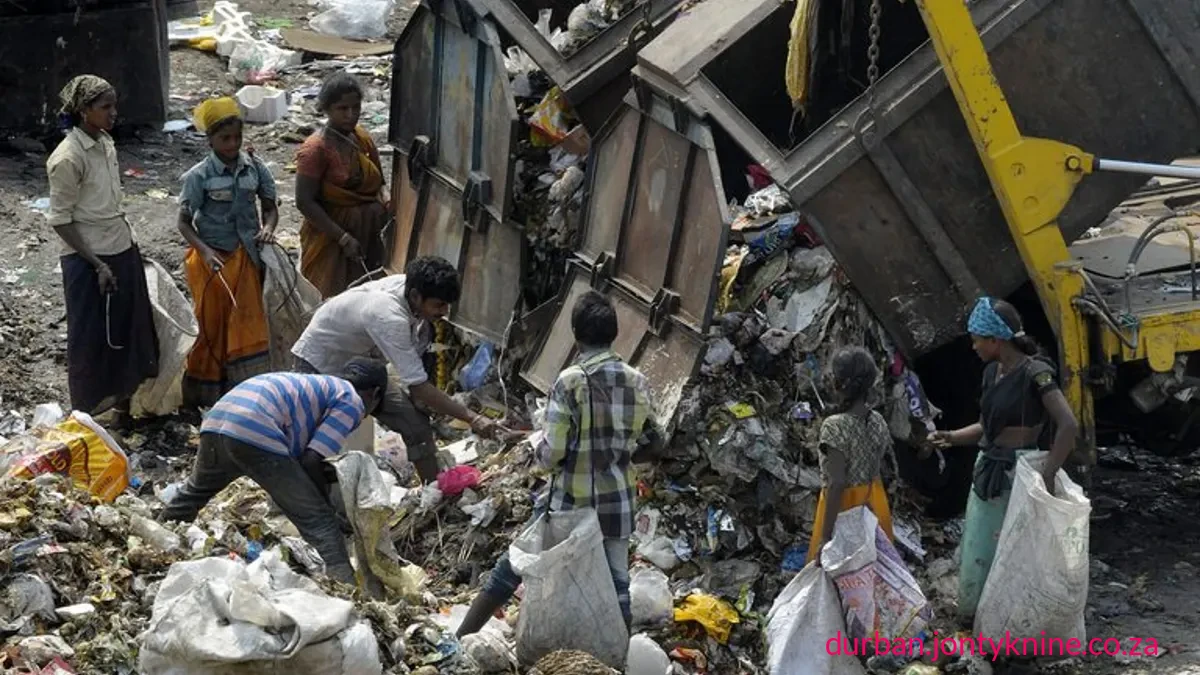
It reflects a longstanding, well-documented pattern of female neonaticide/infanticide and abandonment in Pakistan, driven primarily by son preference, poverty, stigma around births outside marriage, and weak enforcement. It is not a one-off or exaggerated anecdote; charities, local media, and reports have repeatedly recorded hundreds of newborn bodies (overwhelmingly girls) recovered from garbage dumps, sewers, and similar sites, especially in urban centers like Karachi, with the practice continuing into recent years.
Key documented cases and scale
Between January 2017 and April 2018, the Edhi Foundation and Chhipa Welfare Association recovered 345 newborn bodies from garbage in Karachi alone; roughly 99% were girls. Local reporting and the foundations attributed this to poverty, cultural son preference, and (in some cases) pressure from clerics regarding infants born outside marriage, which carry severe social stigma. Similar patterns appear in earlier Edhi data: hundreds of newborns killed/dumped annually in major cities in the late 2000s–early 2010s (e.g., ~890 in 2008, ~999 in 2009, ~1,210 in 2010 across large cities, with girls vastly overrepresented).
More recent reporting confirms continuity rather than resolution:
- In early 2025, bodies of five newborn girls were recovered from garbage heaps across the Sialkot/Narowal area over about two weeks; many had been mutilated by animals. Local authorities registered murder cases against unknown persons.
- Punjab Rescue 1122 data for 2020–2024 recorded hundreds of newborn emergencies (389 victims), with a substantial share found dead; official and NGO sources note that the large majority of abandoned infants overall are female (commonly cited around 90–95% in Edhi/Chhipa and related accounts). Male infants who are abandoned are more often those with disabilities.
- Individual rescues and discoveries continue to surface in Islamabad, Lahore, Attock, Gujrat, and elsewhere (some infants found alive in bags or dumps and later adopted; many others found dead). Estimates for Karachi alone in recent commentary run to 250–300 such recoveries per year. National totals are higher but incomplete because many cases go unreported or uninvestigated.
Wikipedia and academic summaries note older figures of missing girls (estimates in the millions over decades, overlapping with sex-selective practices and differential care) and rising or persistently high recovery numbers from the foundations that actually collect the bodies. Official infant-mortality statistics do not capture these cases well, as they are rarely formally investigated as homicide.
Drivers
- Son preference: Deeply rooted cultural, economic, and kinship norms treat sons as future providers, carriers of the family name, and old-age security. Daughters are often framed as financial burdens (dowry expectations, limited formal economic roles for many women, and the expectation that a daughter joins her husband’s household). This is a South Asian pattern also seen in parts of India and elsewhere, though expressed differently by context.
- Poverty and unwanted pregnancies: Extreme economic pressure combines with limited access to contraception, family planning, or safe abortion in some settings. Births outside marriage carry intense stigma and risk of violence or social ostracism; some reports link certain dumpings to attempts to conceal such pregnancies, sometimes with religious or community pressure.
- Sex selection and differential treatment: Ultrasound technology enables sex-selective abortion in some cases; where that does not occur, neonaticide or abandonment follows. Even among surviving girls, data show disparities in nutrition, healthcare, and education in many households.
- Weak deterrence: Infanticide and abandonment are illegal, yet police registration, investigation, and prosecution are rare. Foundations and rescuers repeatedly note that most cases produce little official follow-up. Public and media attention spikes with particularly gruesome finds, then fades.
Broader context and responses
Pakistan’s sex ratio at birth has been elevated (around 1.12 males per female in some recent figures), consistent with son preference across parts of South Asia. “Missing women” estimates for the region include Pakistan. Civil-society responses include the Edhi Foundation’s long-running jhoola (cradle) program—safe drop-off points intended as an alternative to dumping—and similar efforts by other charities. Some individual rescues have led to adoptions (e.g., by police or military personnel). Religious leaders and commentators occasionally condemn the practice by citing Islamic prohibitions on killing children, yet cultural norms and enforcement gaps persist.
The problem is not unique to Pakistan; comparable patterns of female infanticide/neonaticide and sex-selective practices have been documented historically and in contemporary settings elsewhere in South Asia and beyond. Within Pakistan it intersects with wider gender inequalities (education gaps, violence against women, limited economic opportunities). Accurate national tracking remains weak; the figures from rescue organizations that physically recover bodies are the most concrete available evidence, and they consistently show a heavy skew toward girls.
In short, the reported discoveries of hundreds of newborn girls in garbage are real, recurrent, and rooted in measurable cultural and socioeconomic factors rather than isolated criminality. The practice has not disappeared; periodic clusters of cases continue to surface alongside the quieter, ongoing work of foundations that bury or (rarely) save the infants.